New Knit Dress

Knits
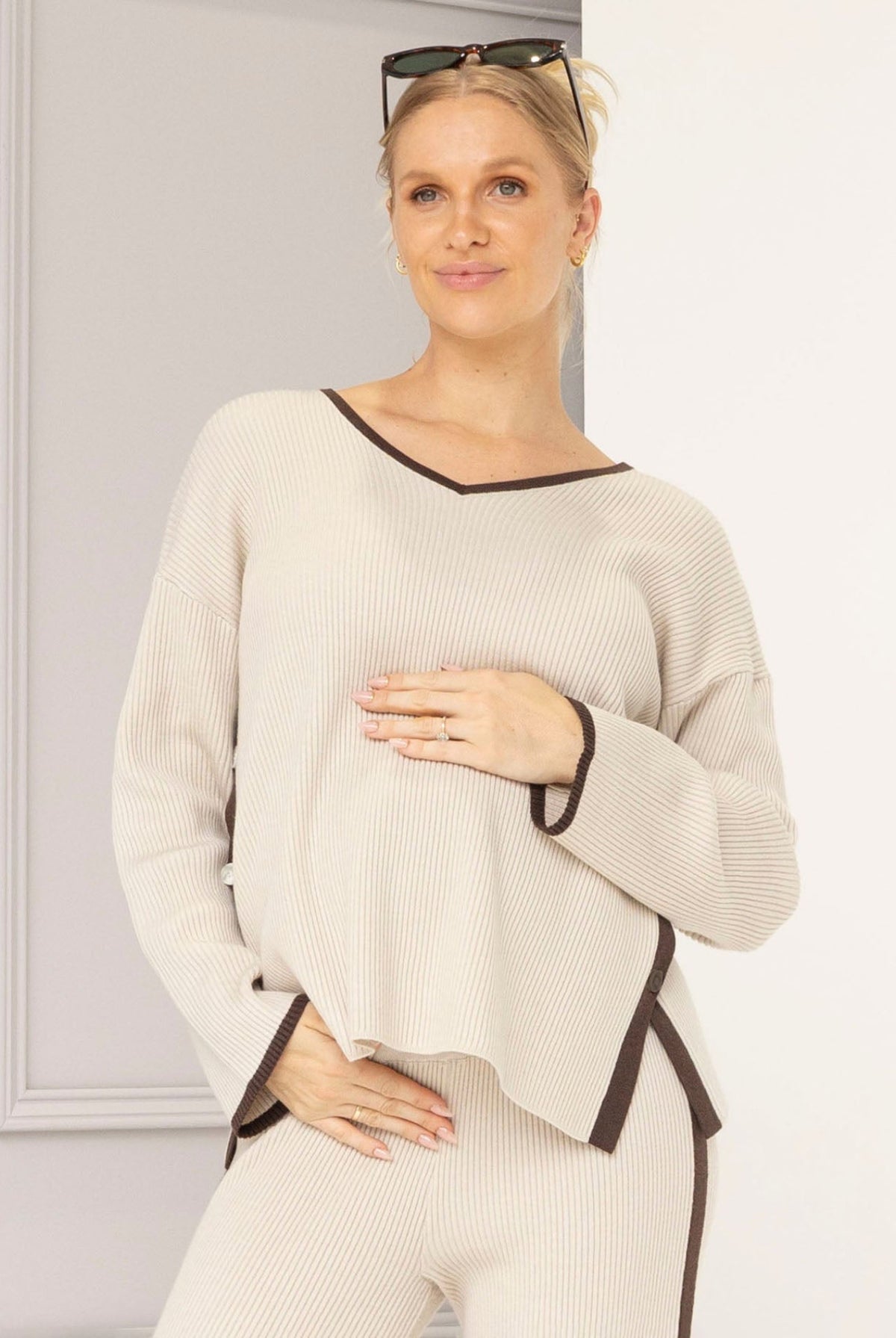
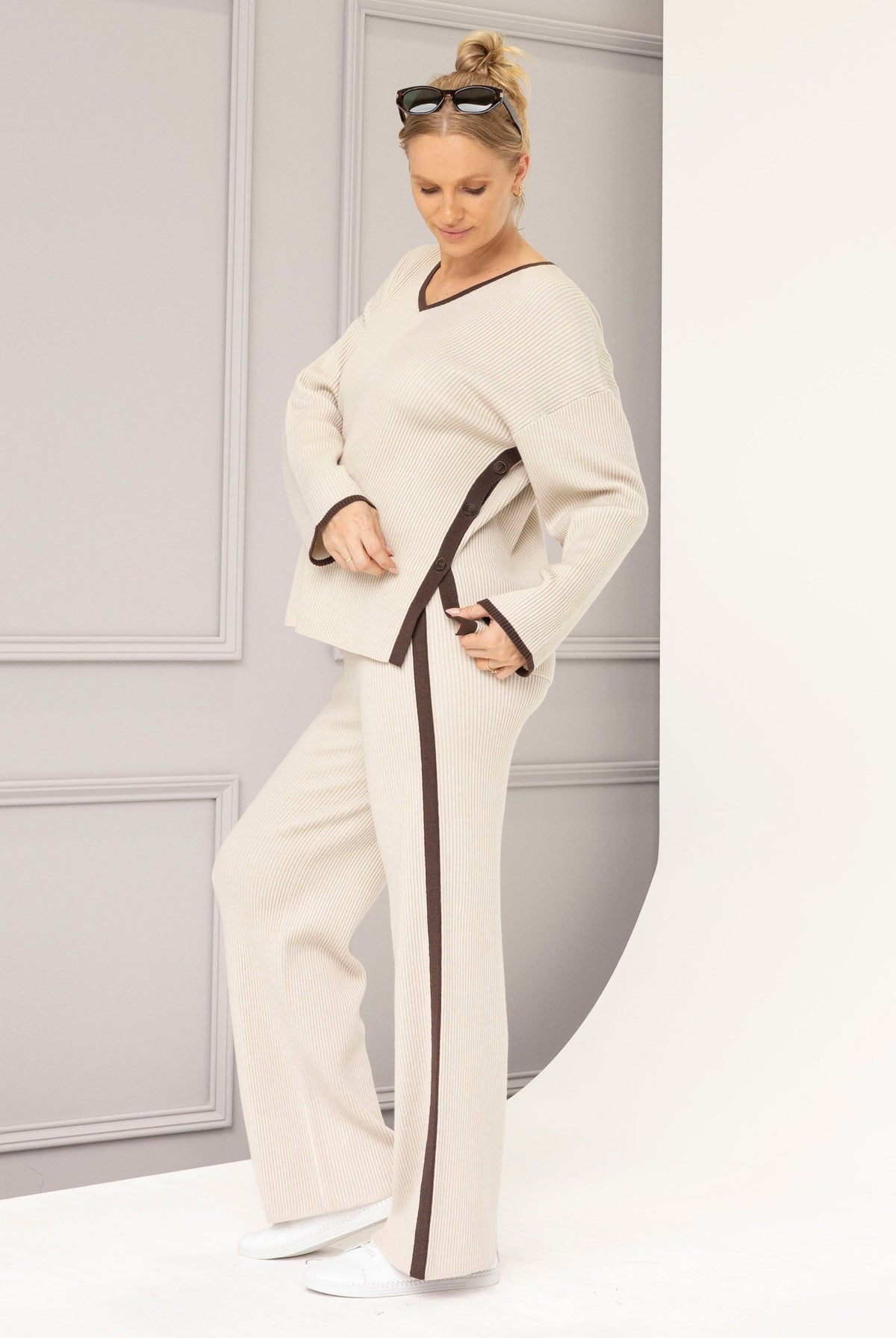
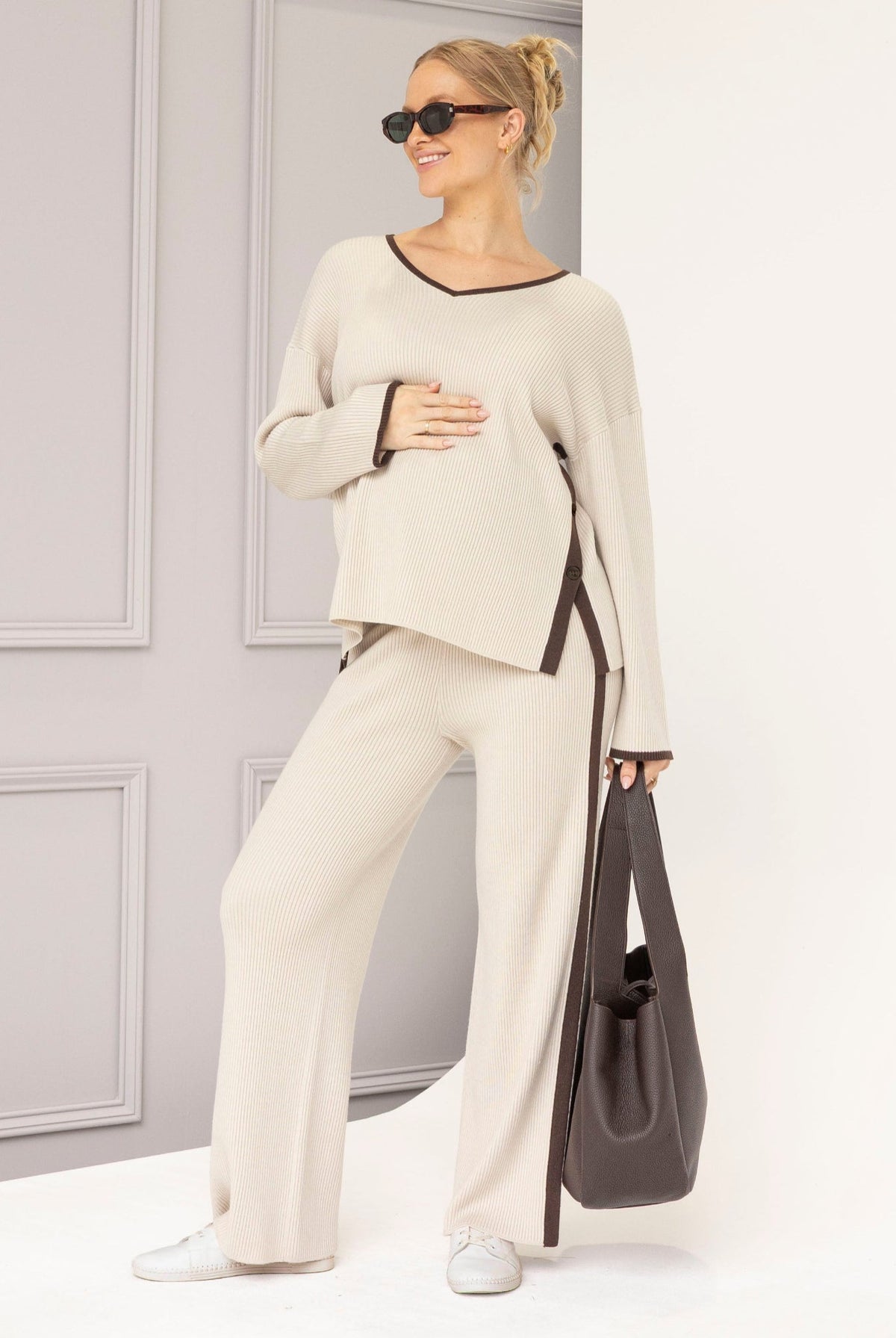
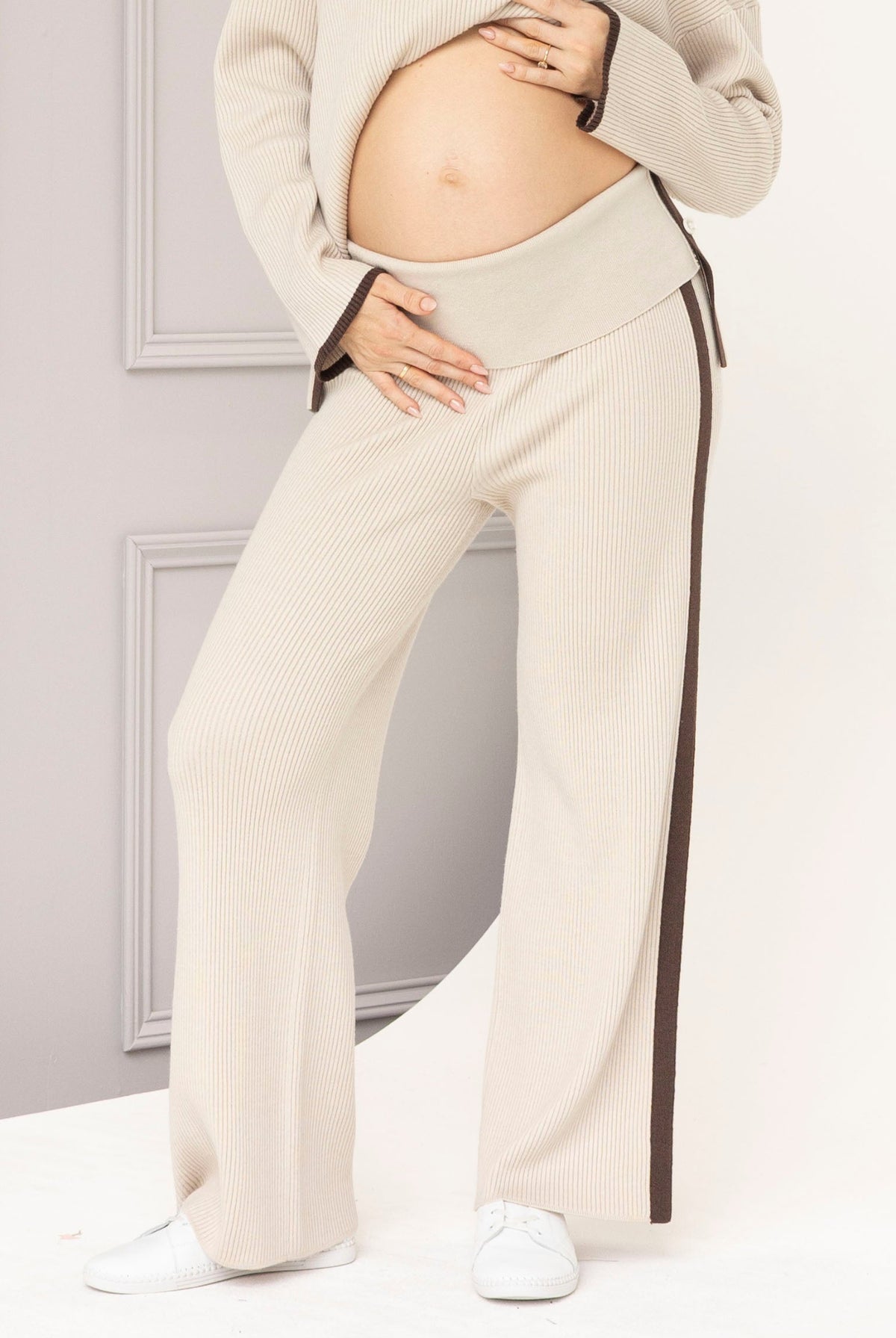
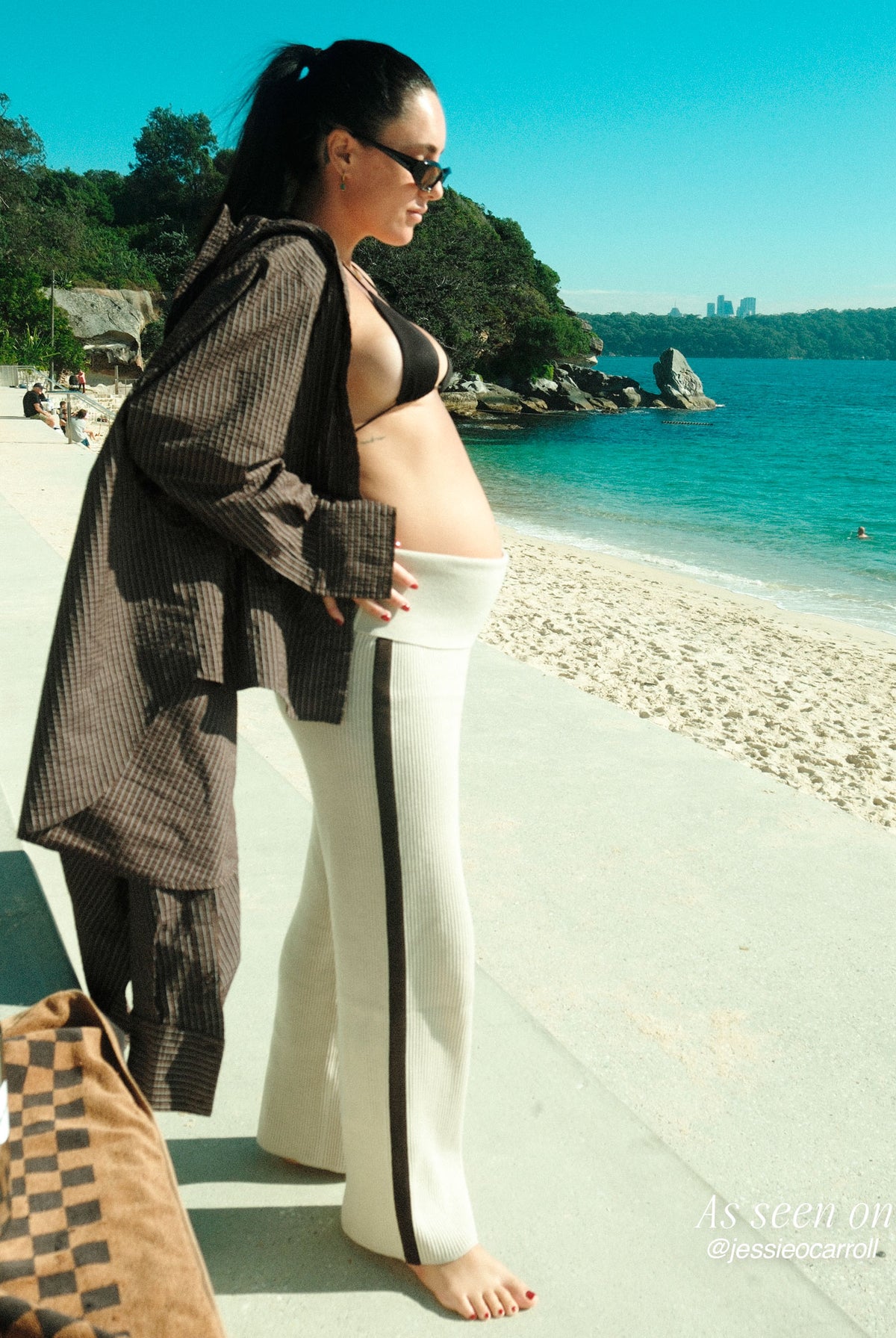
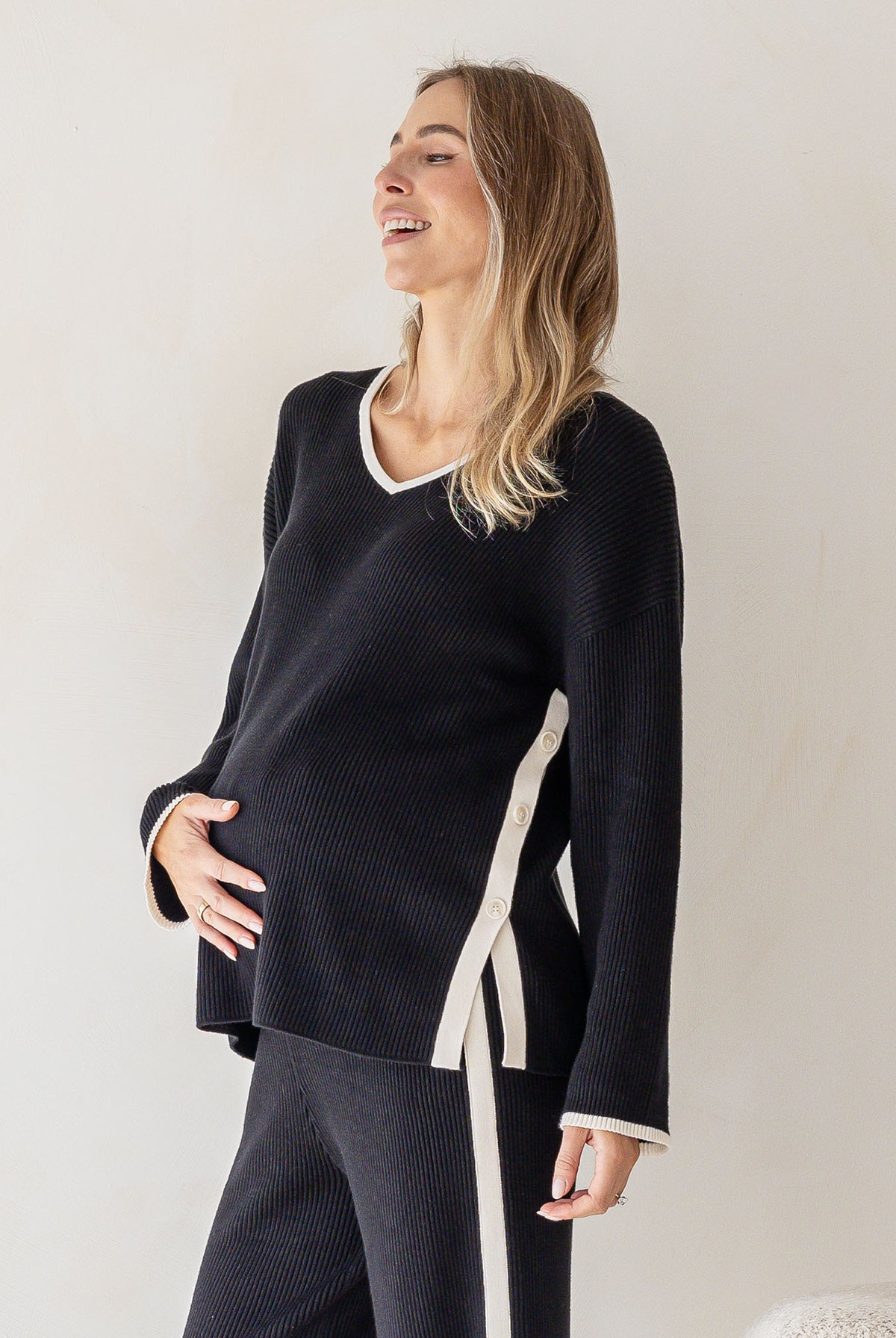
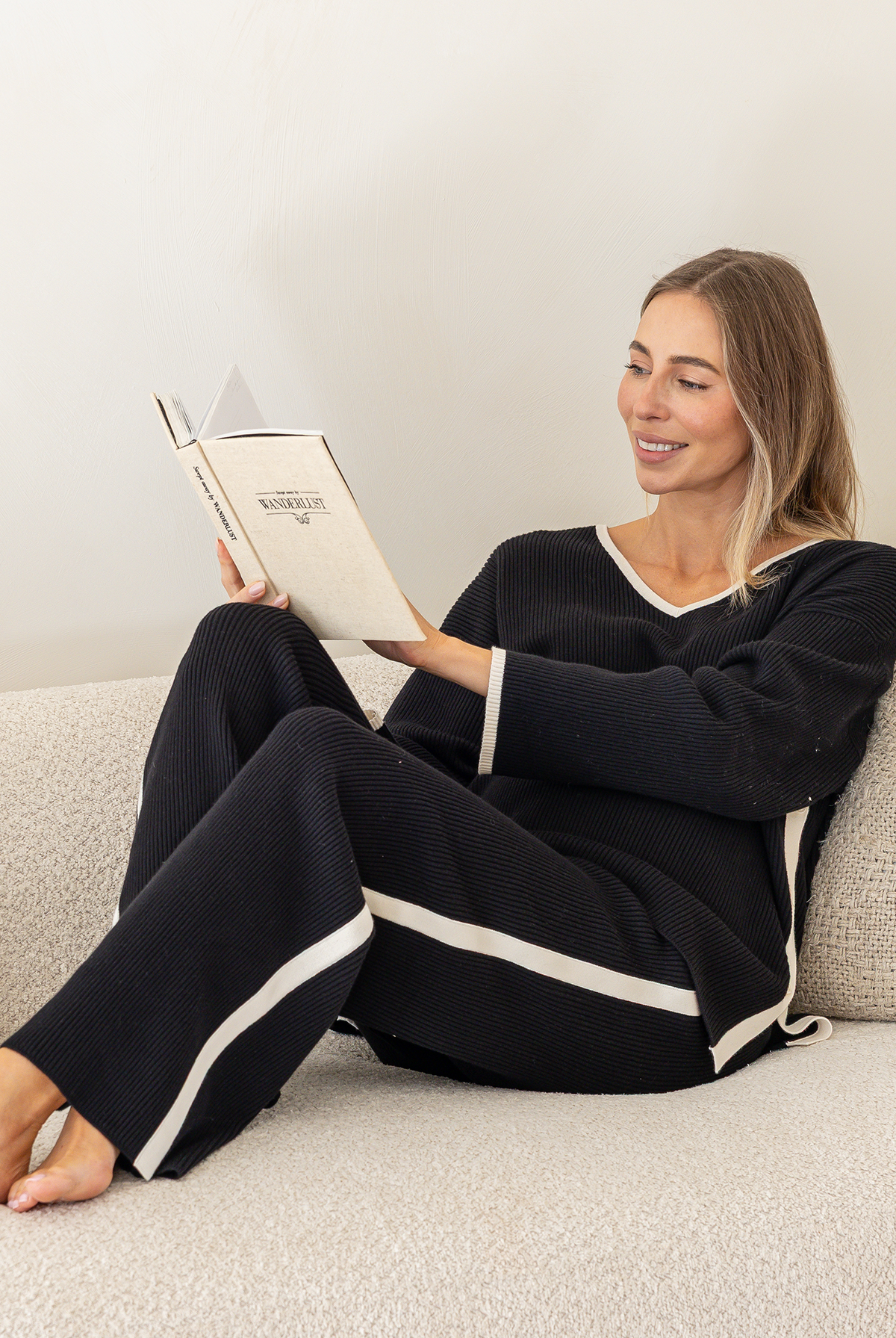
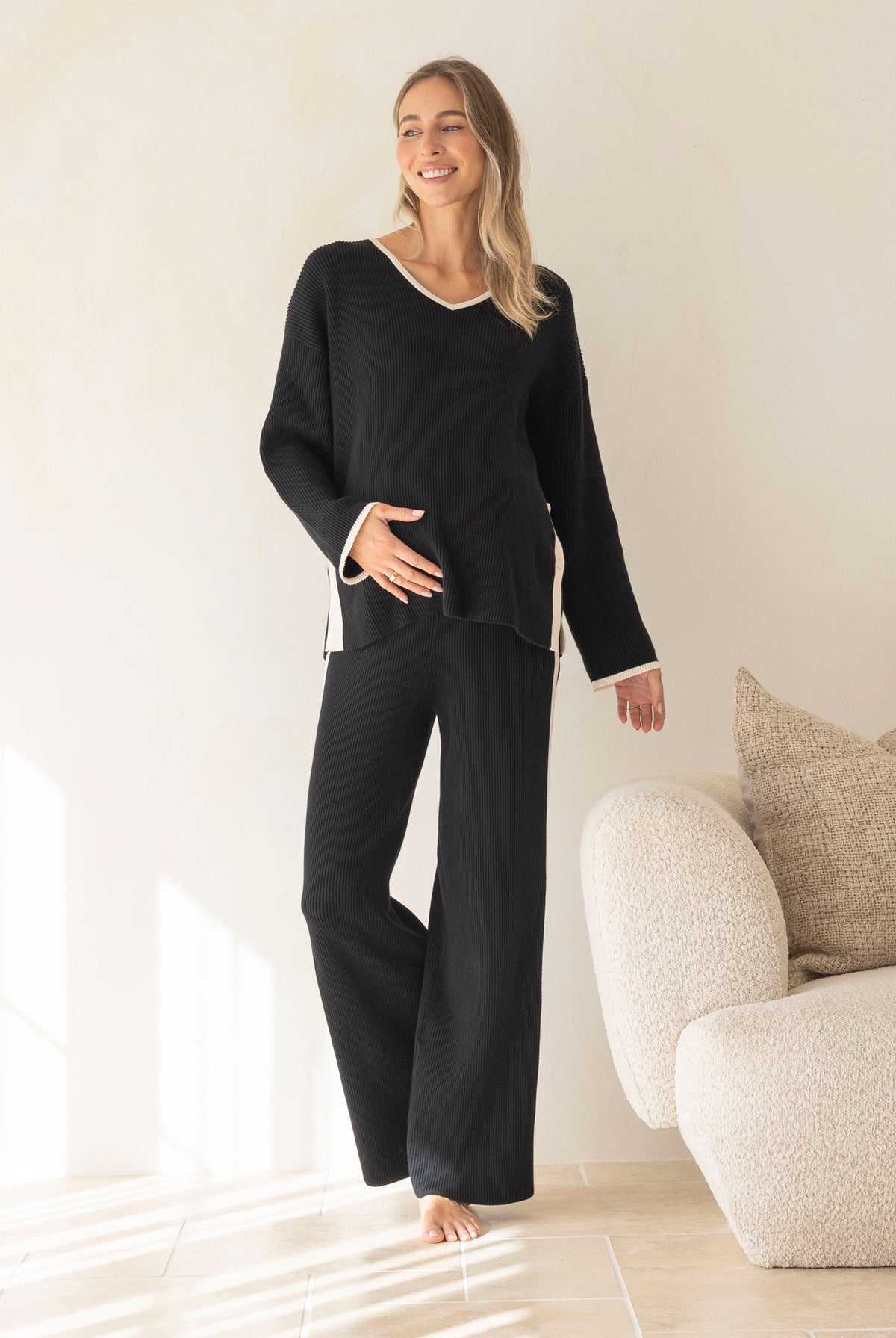
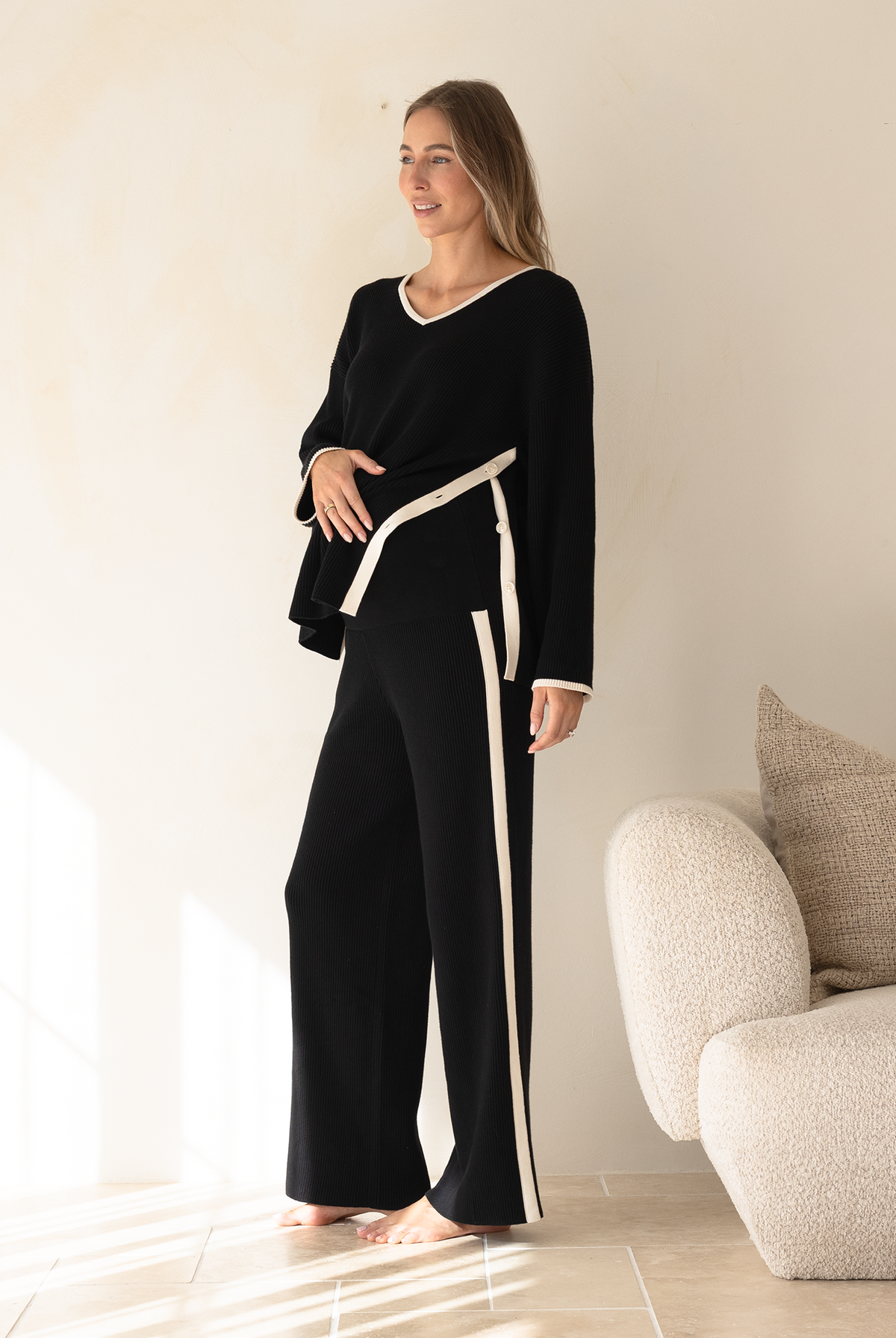
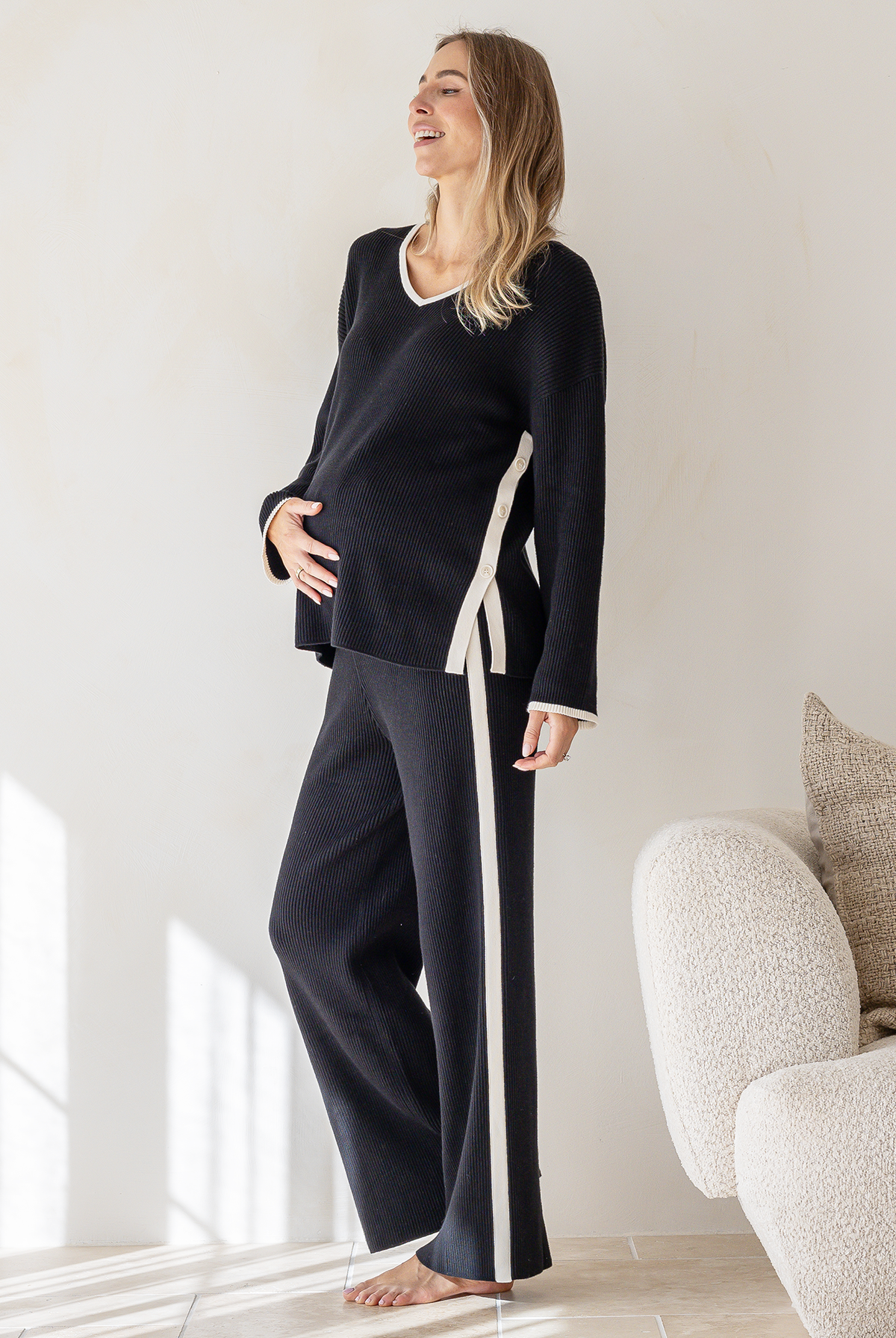
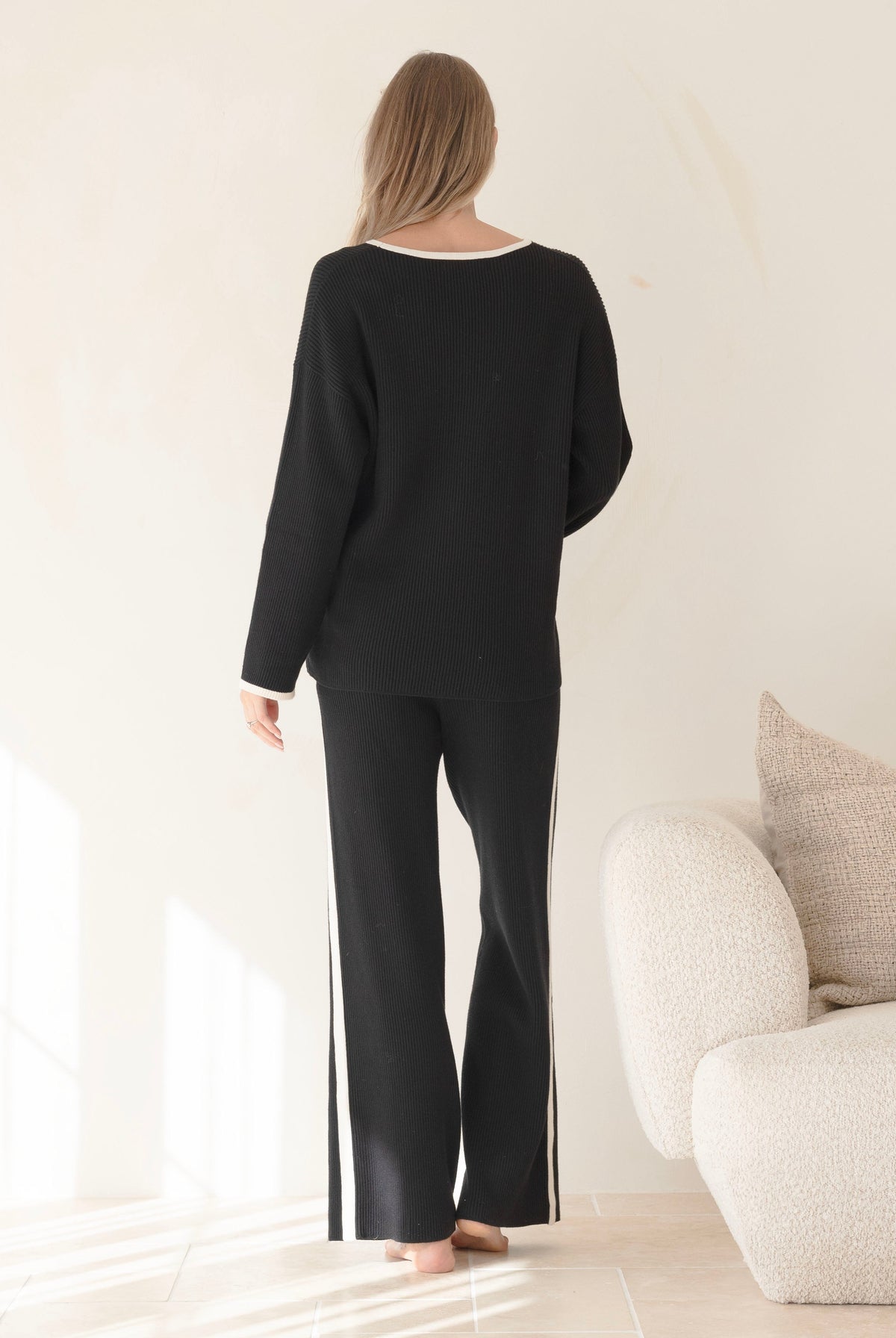
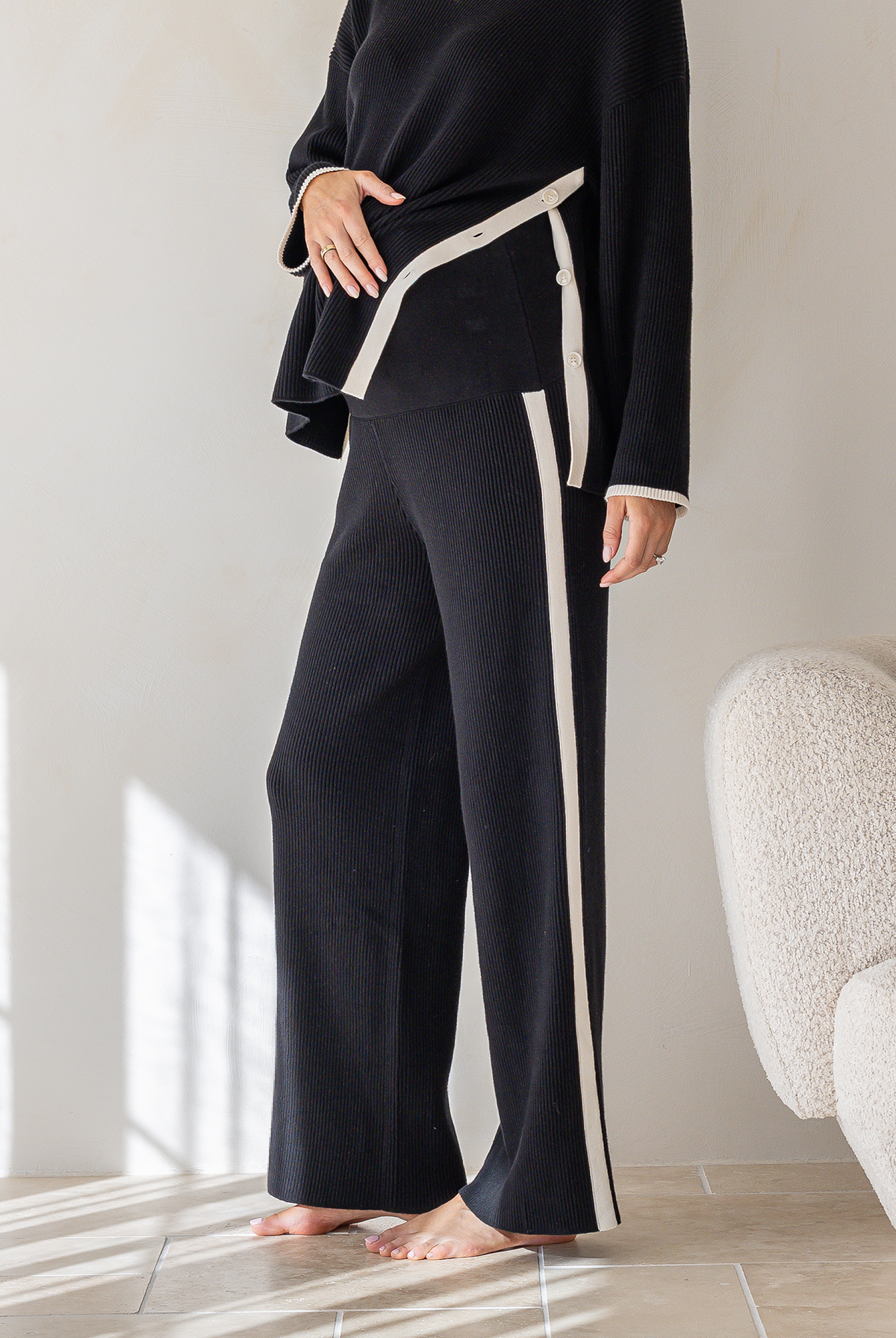
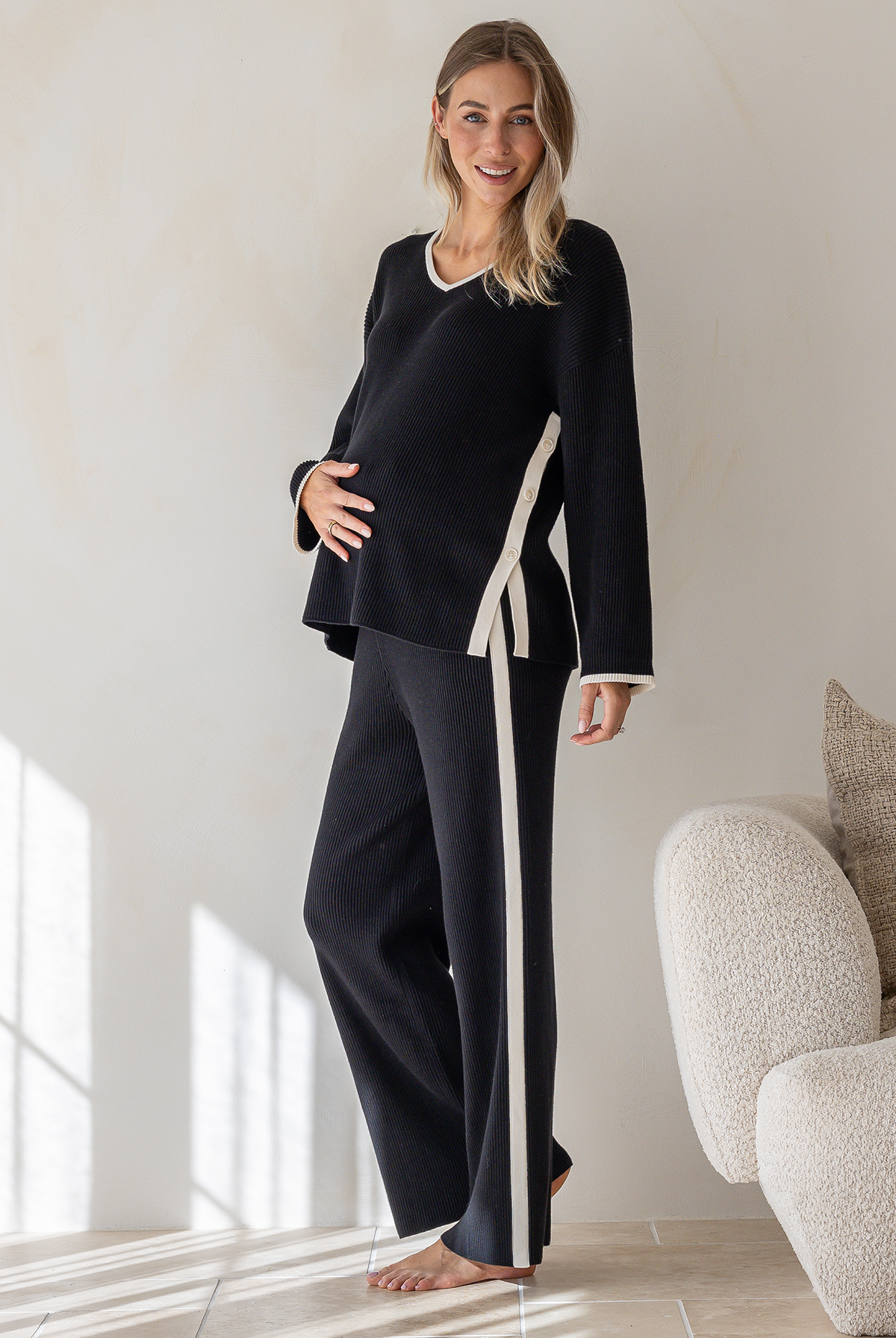
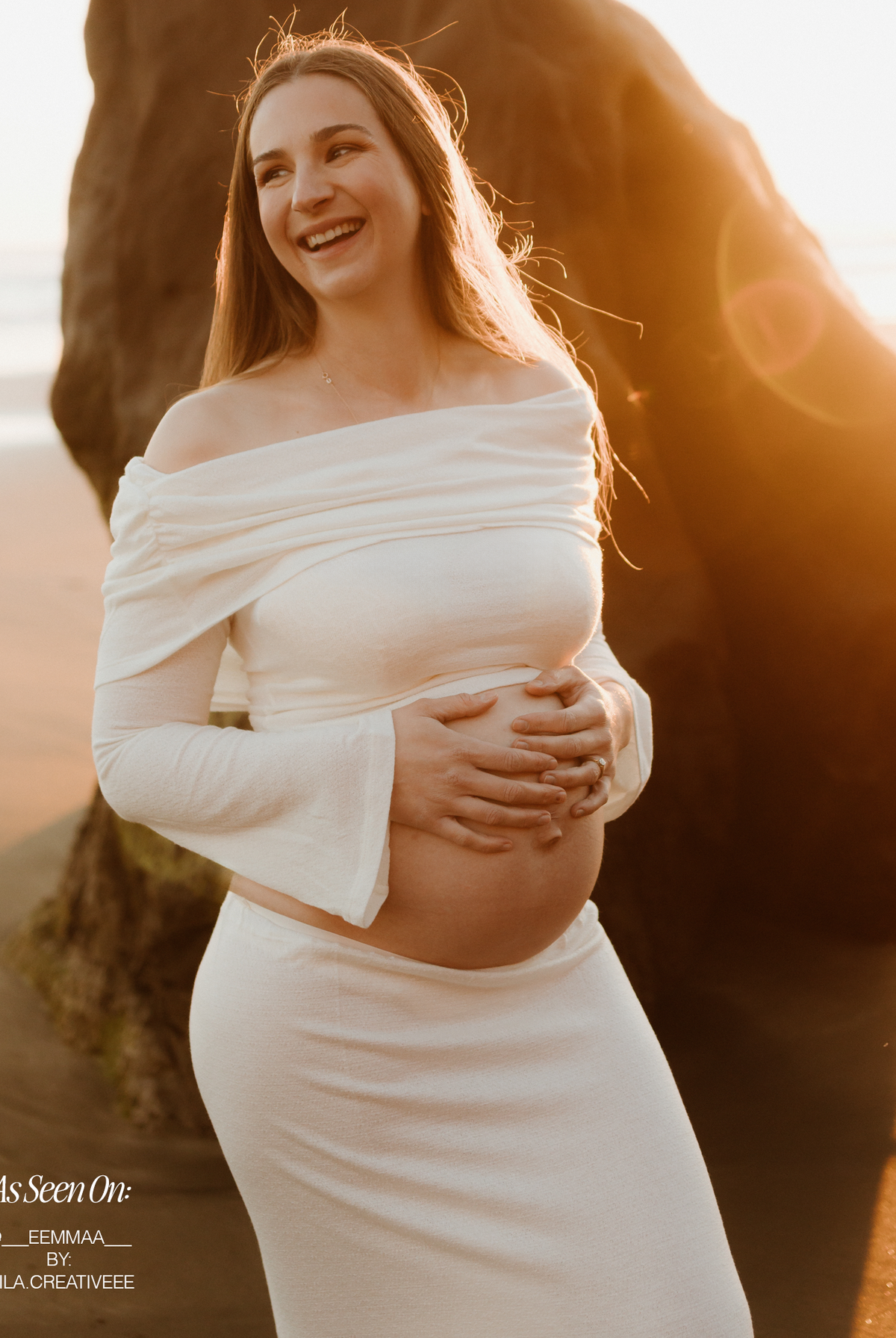

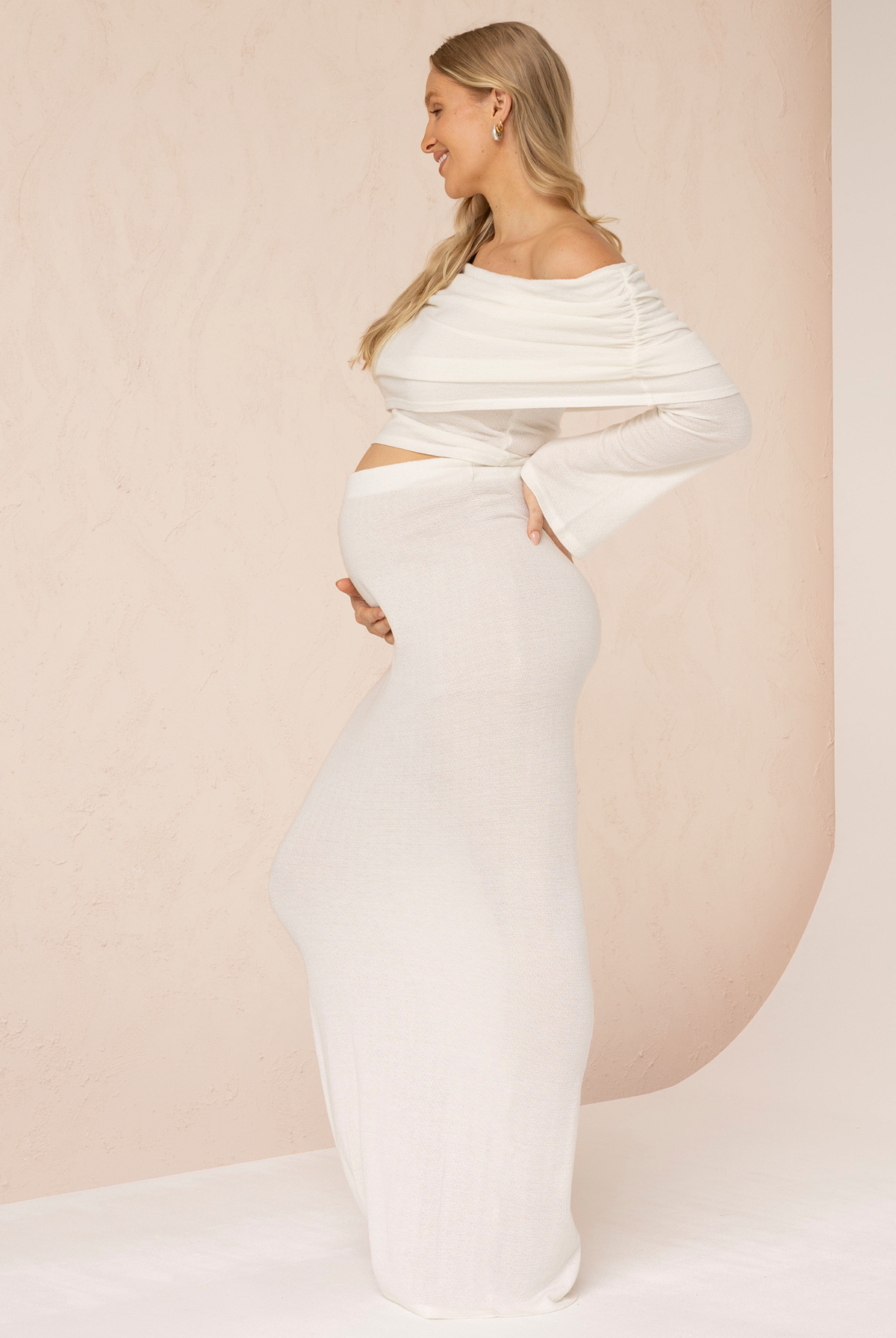
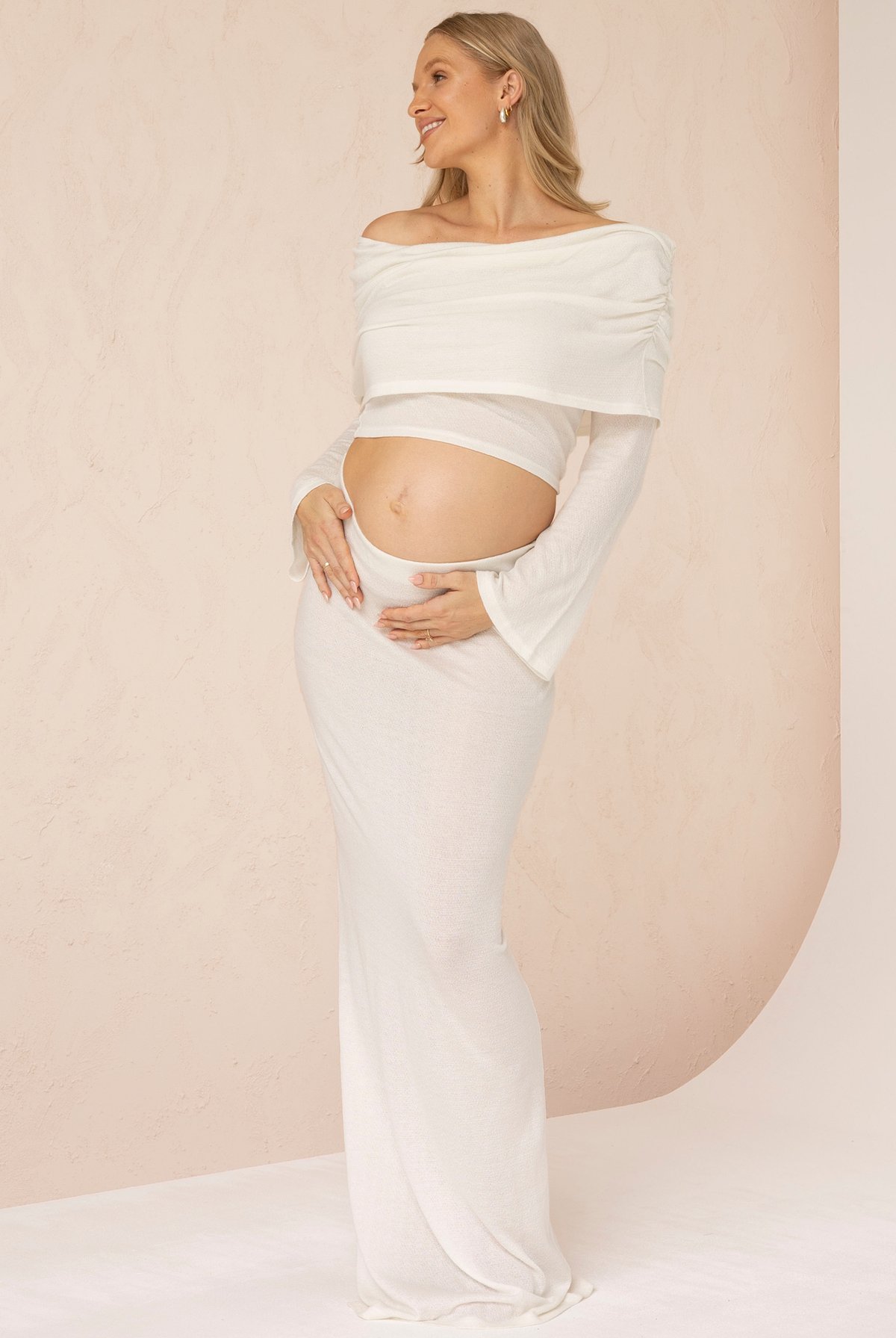


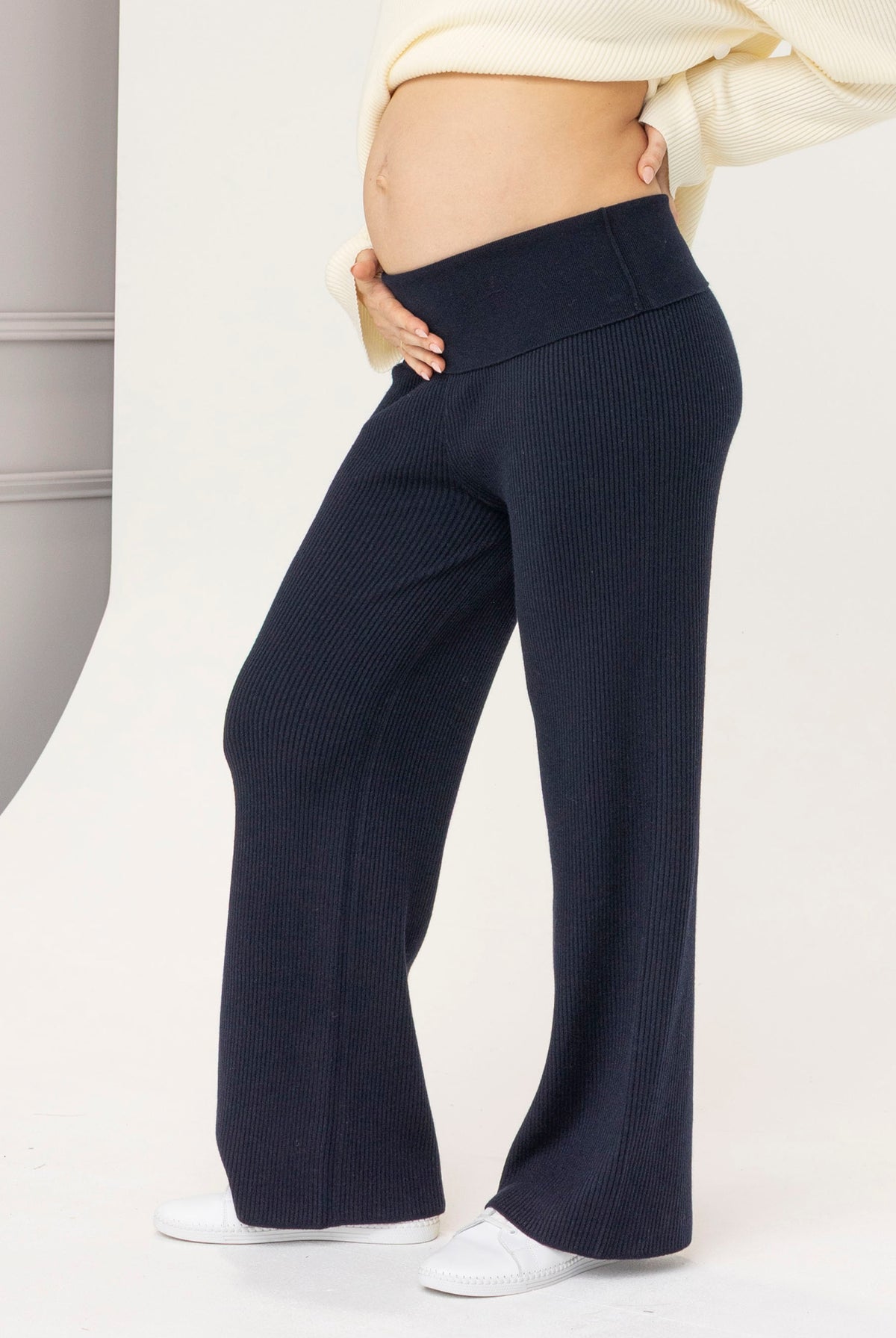
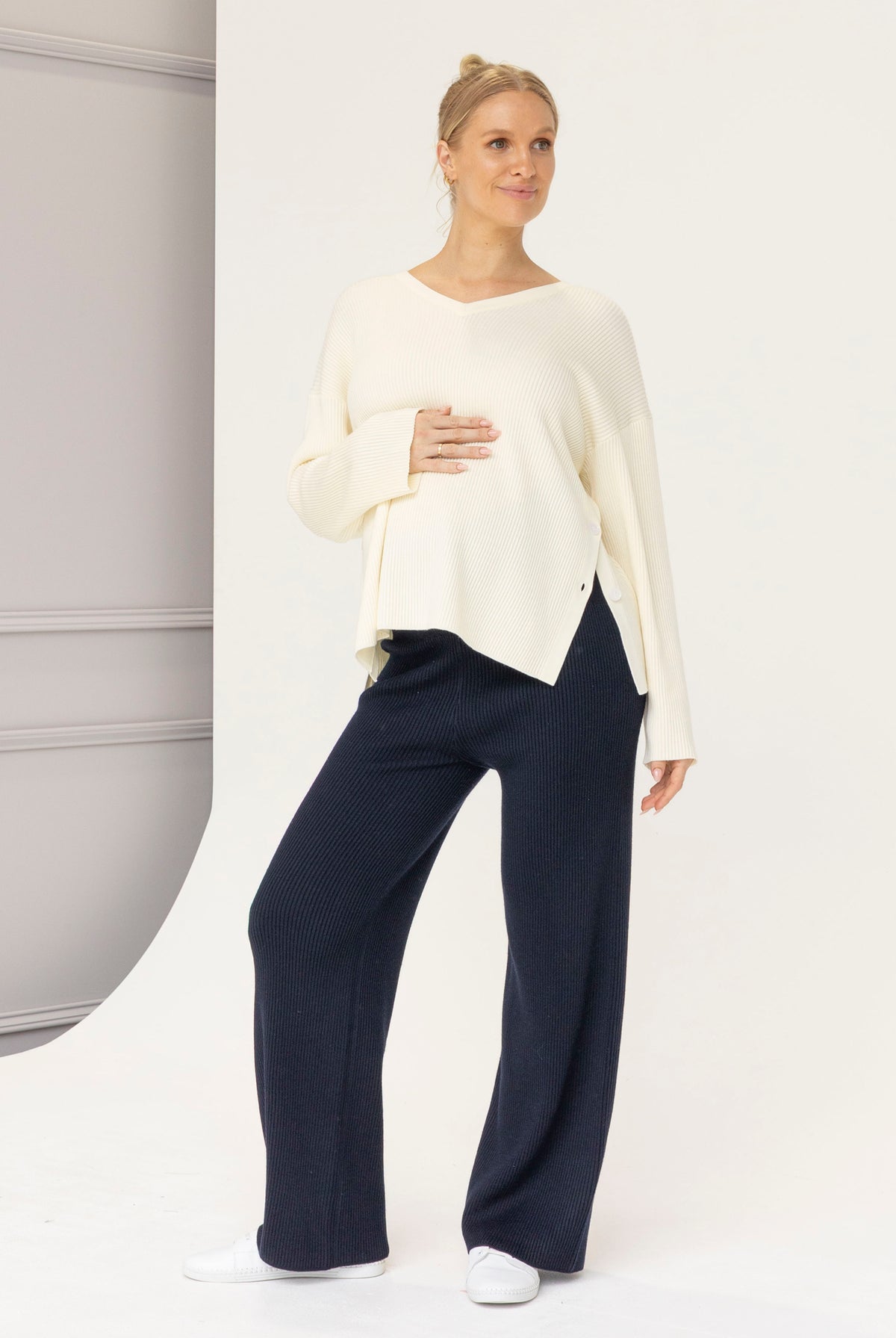
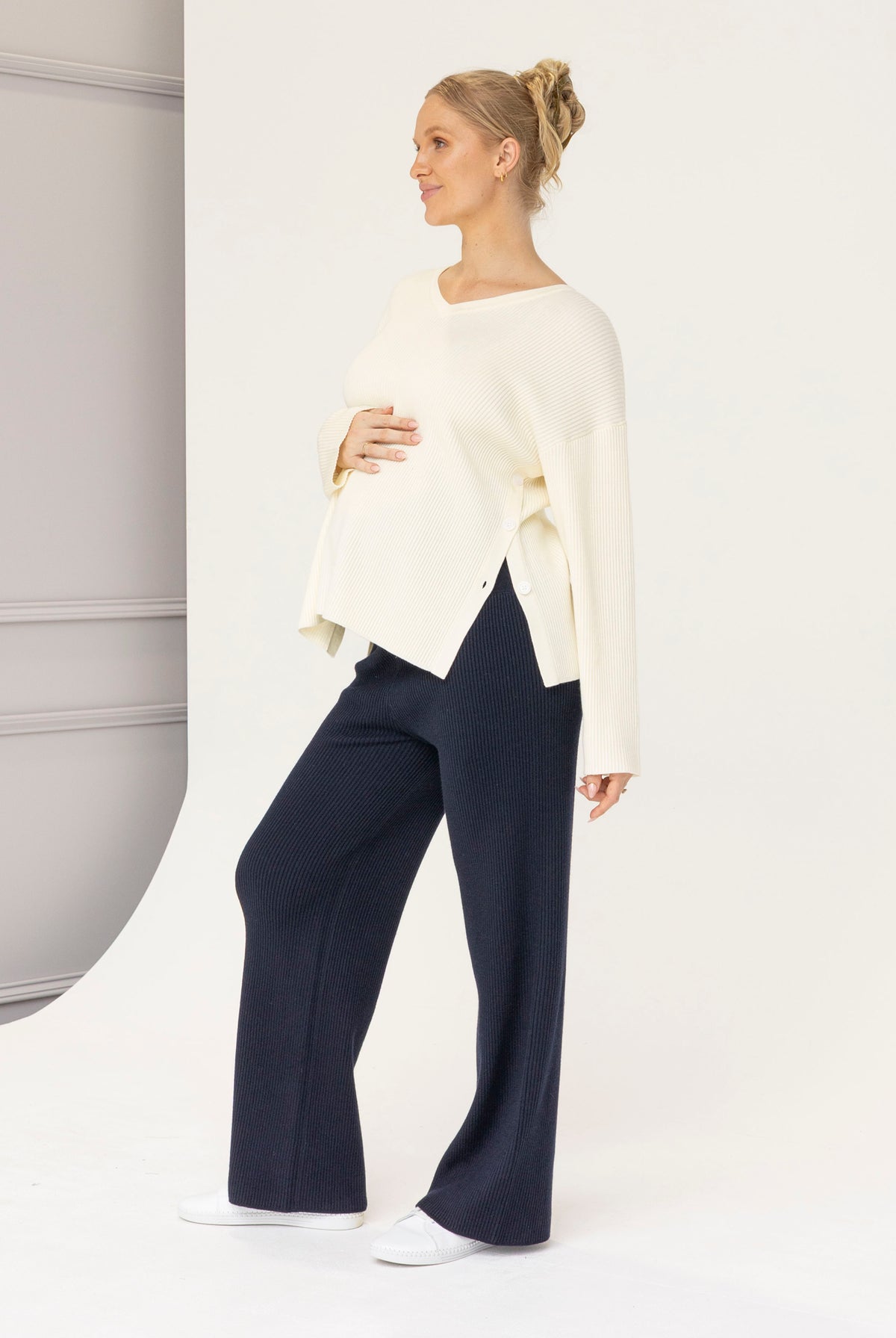
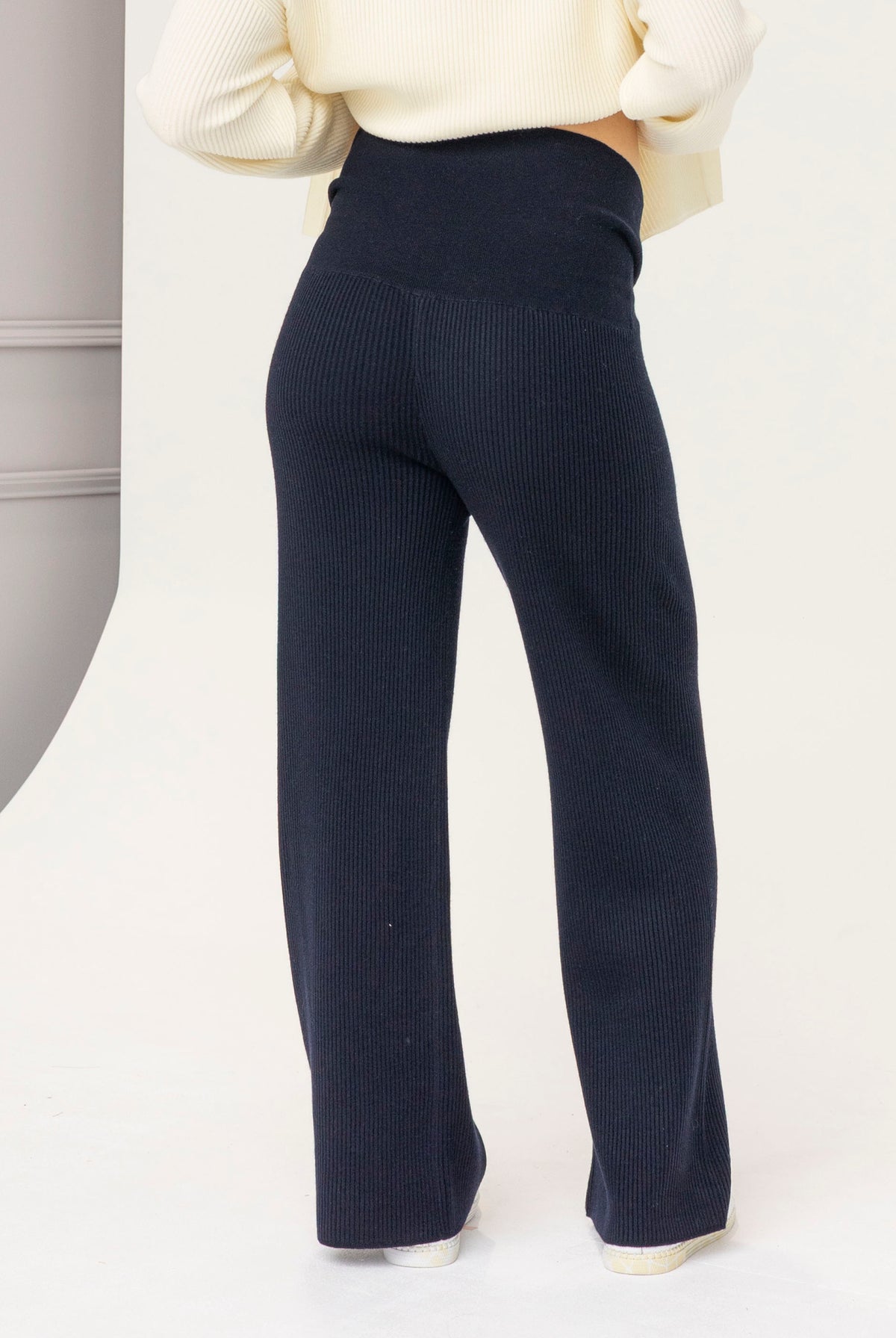
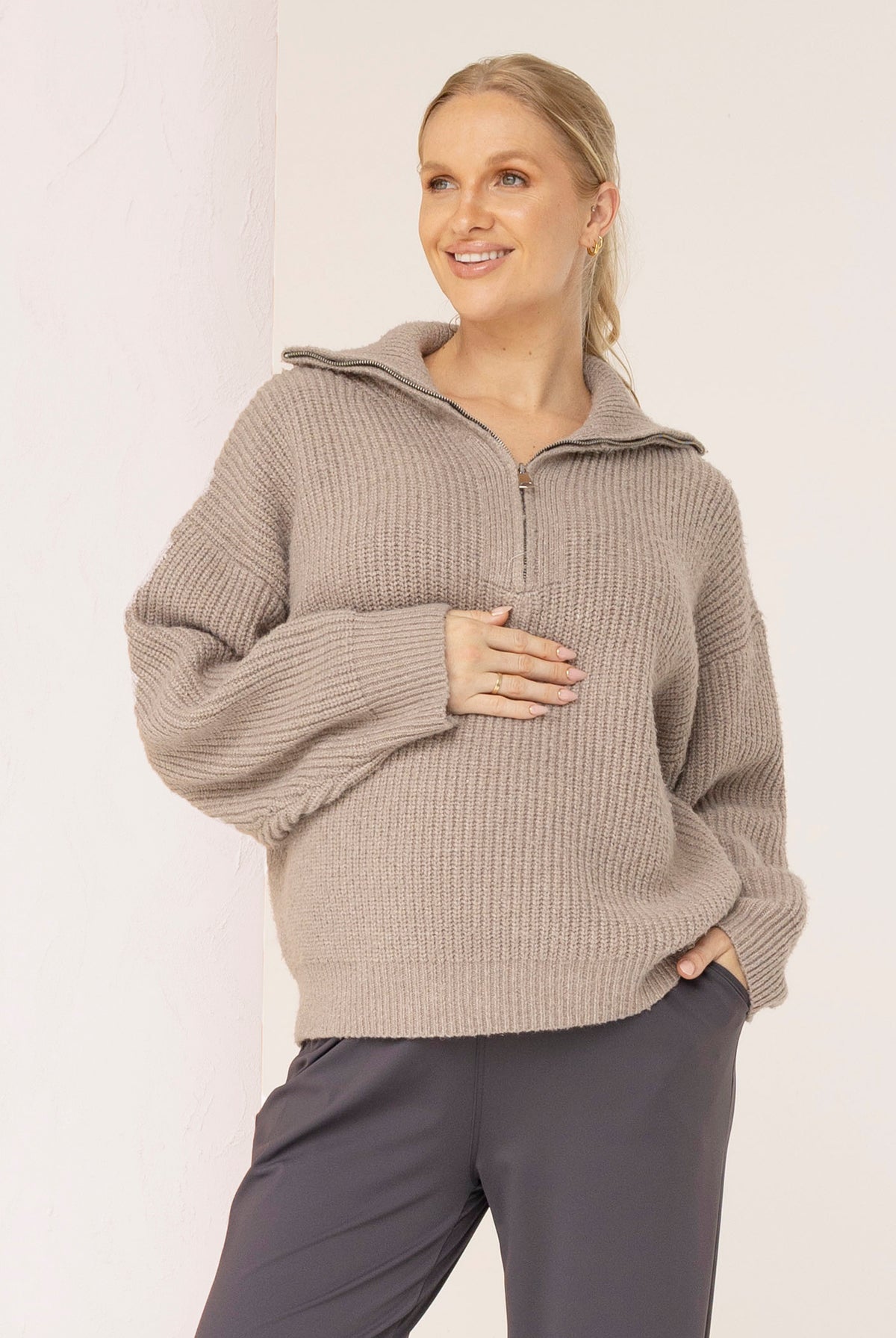
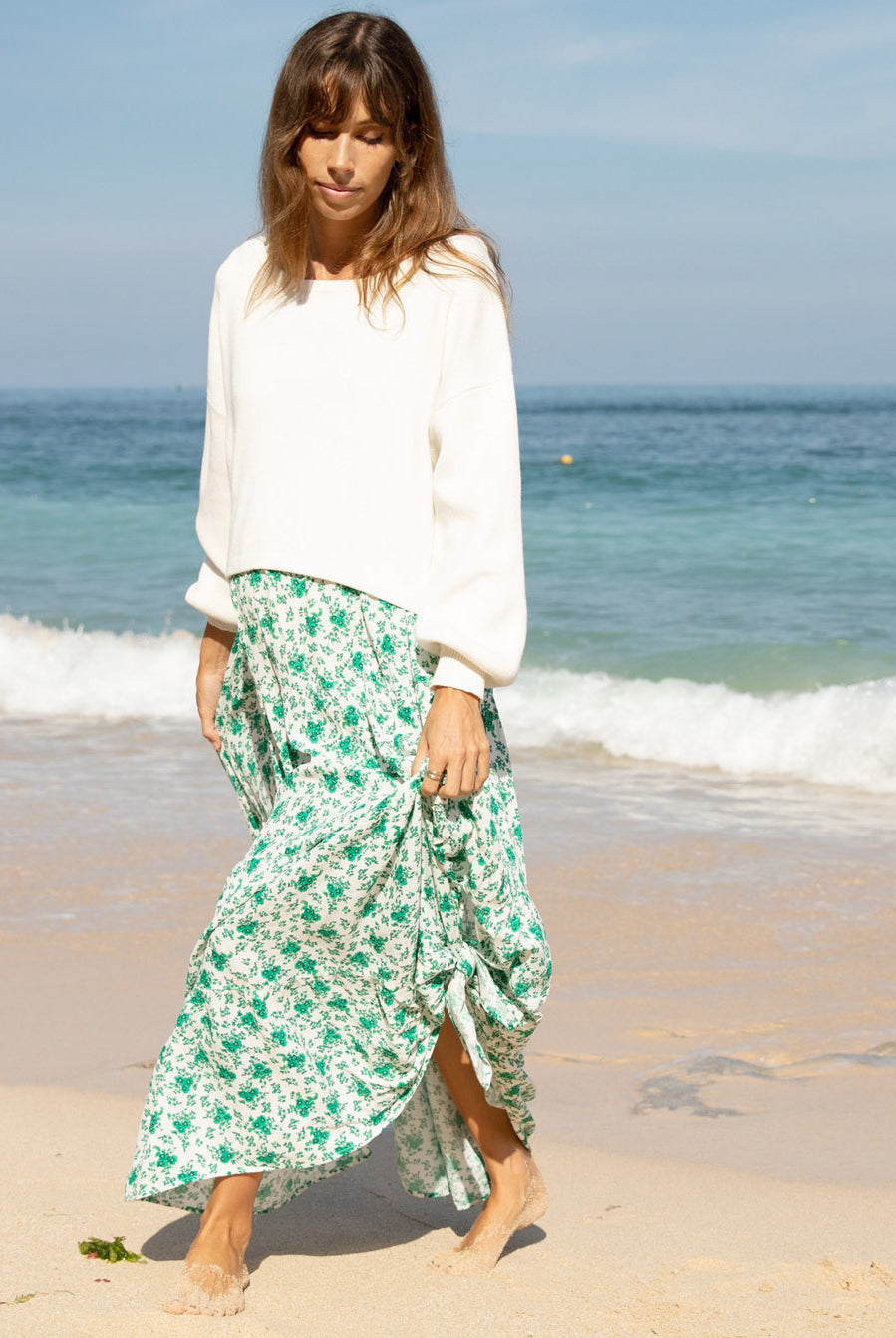
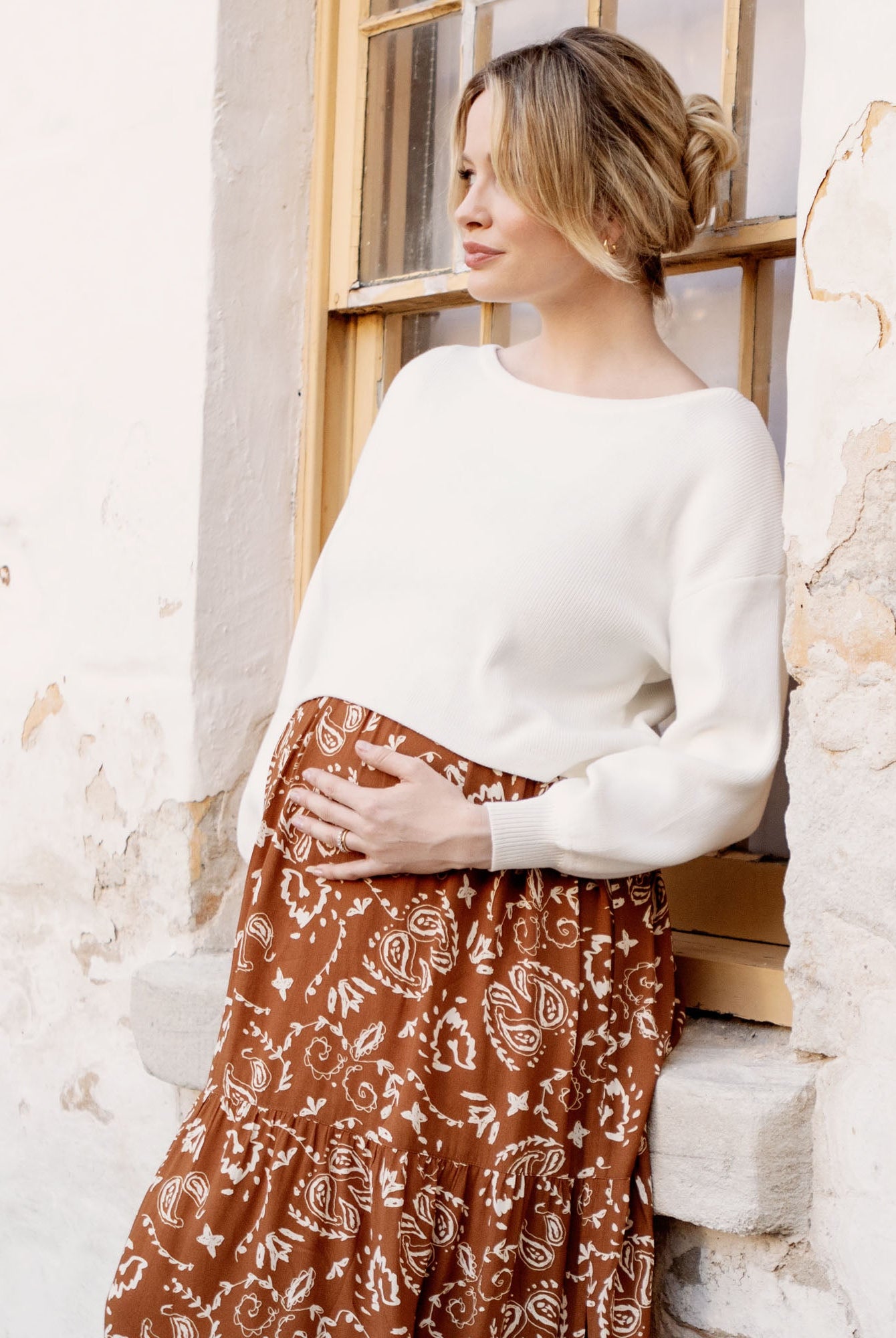
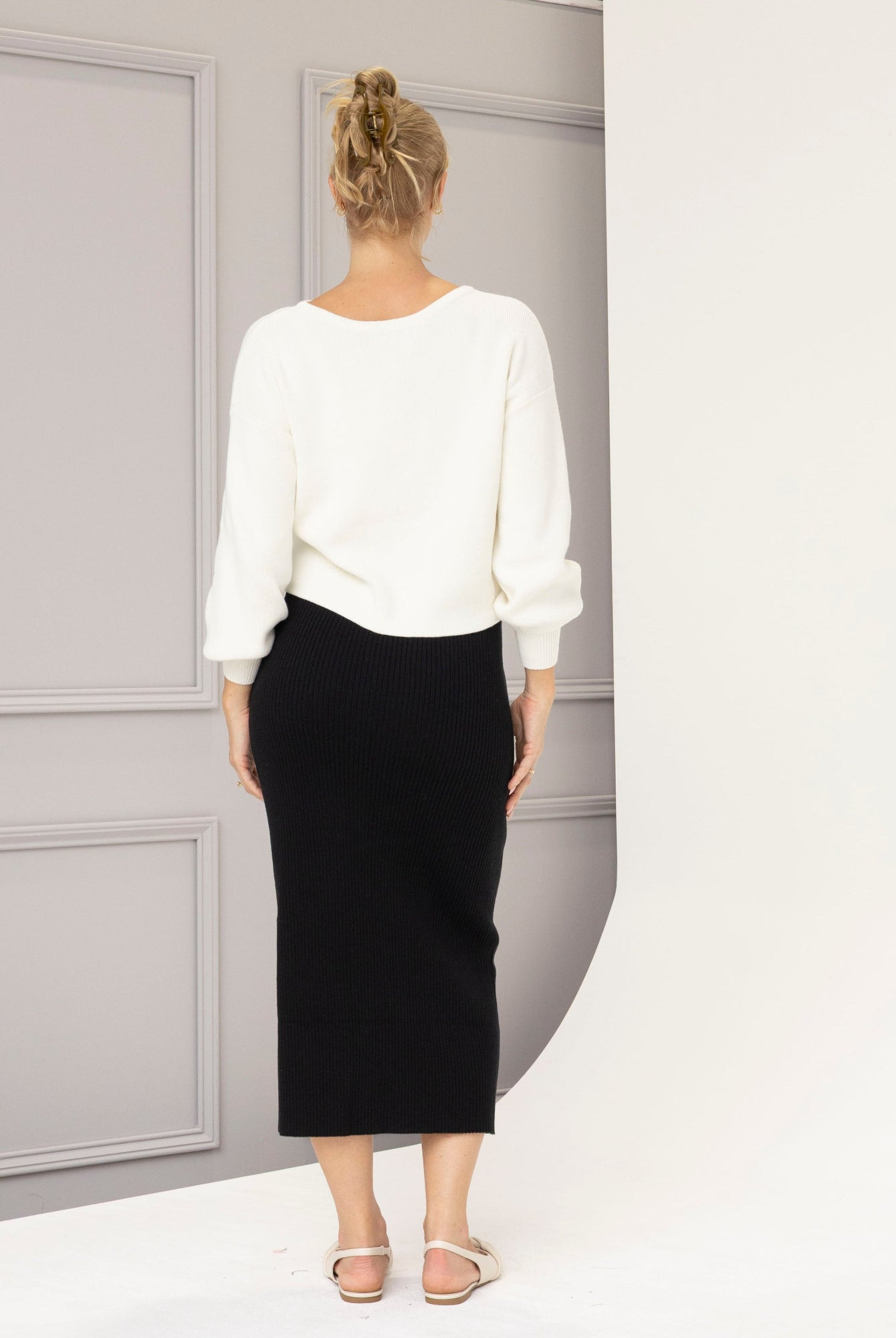
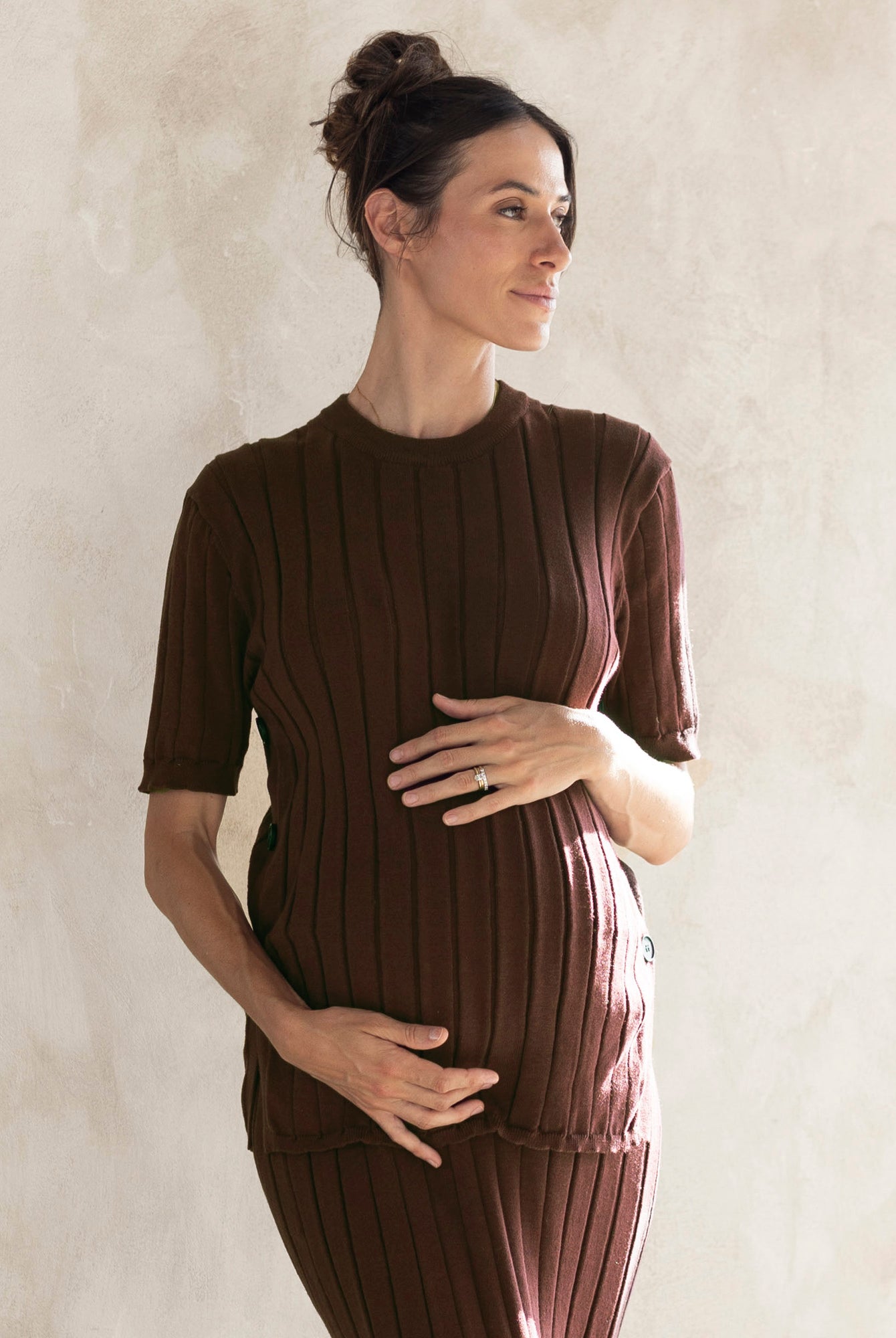
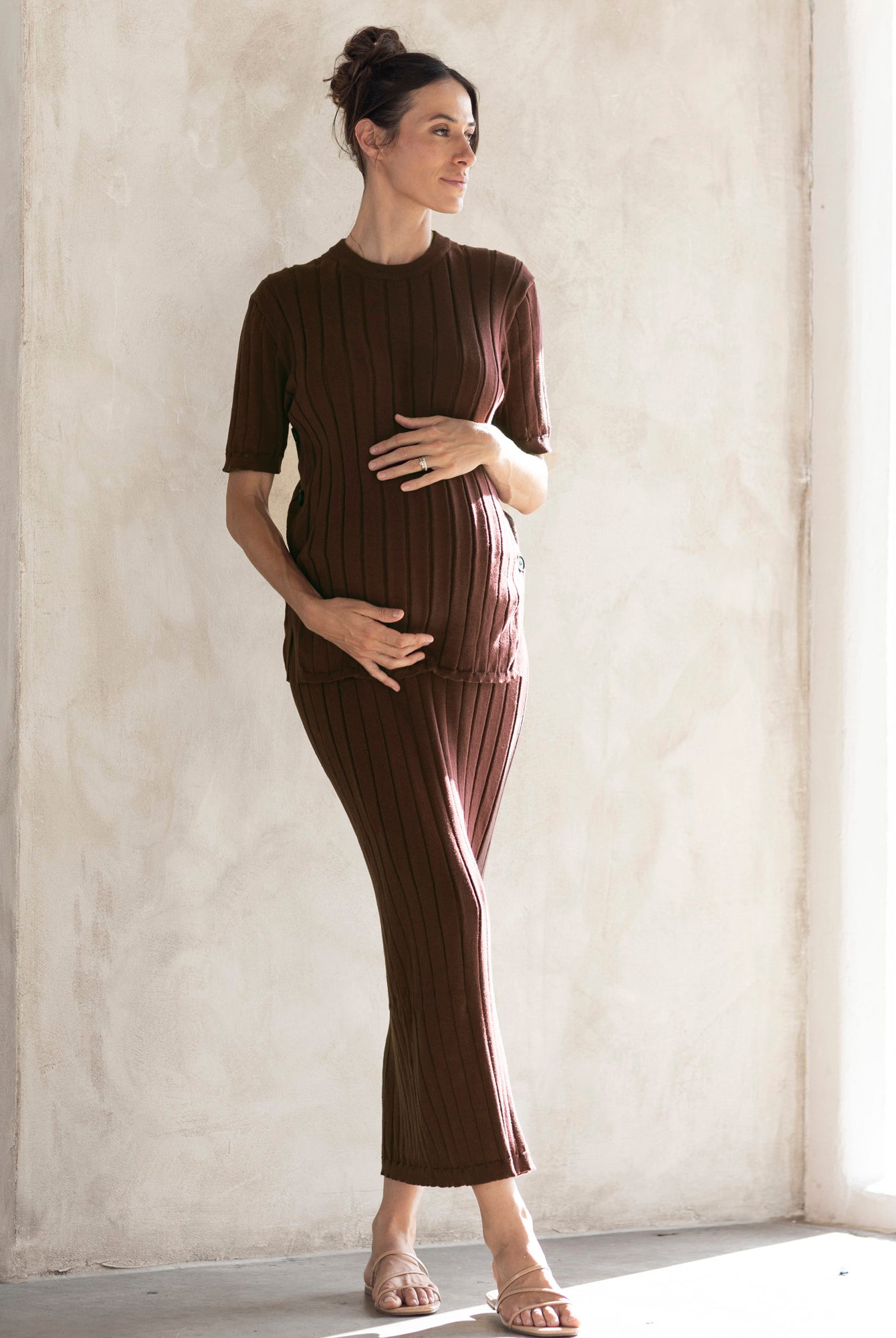
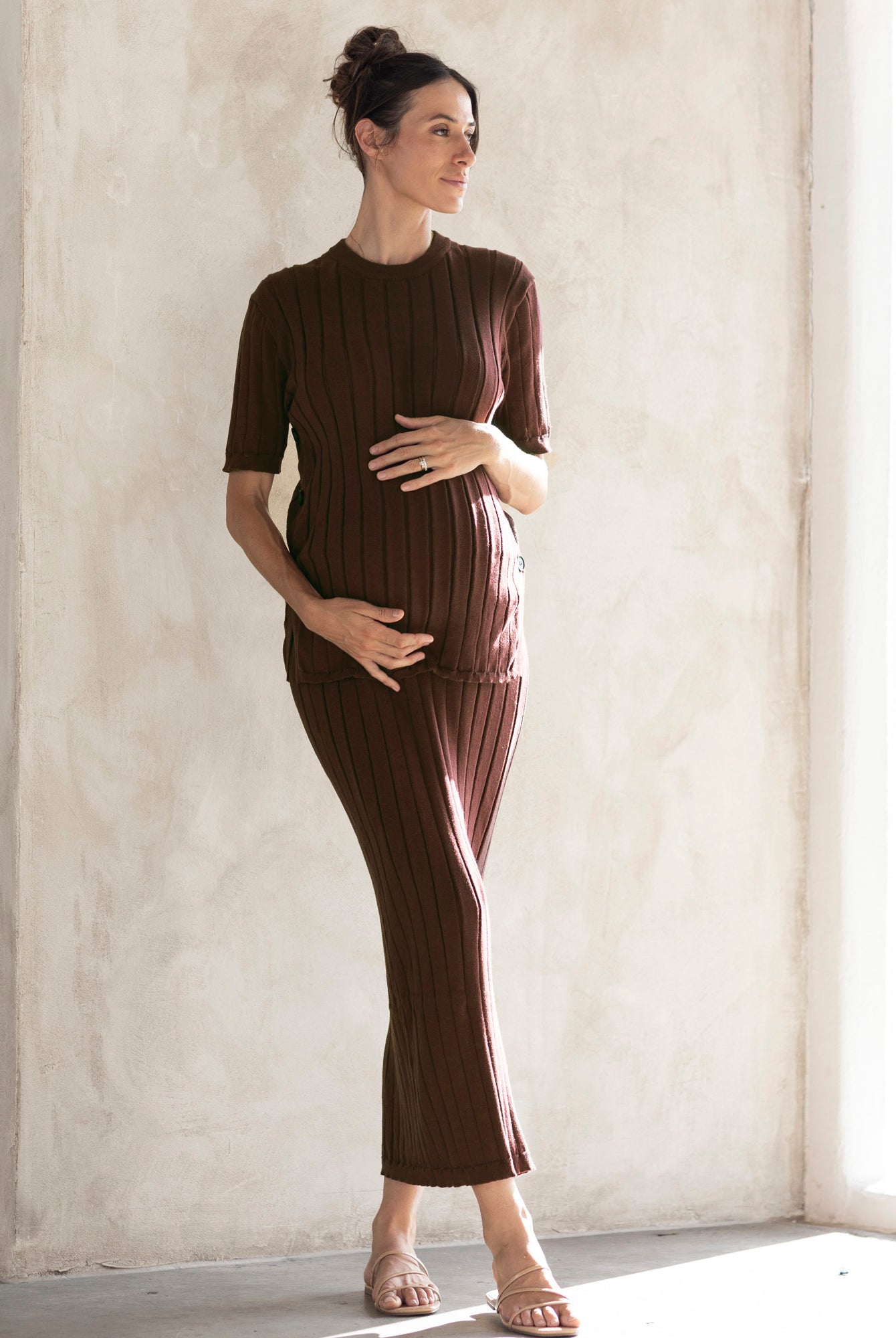
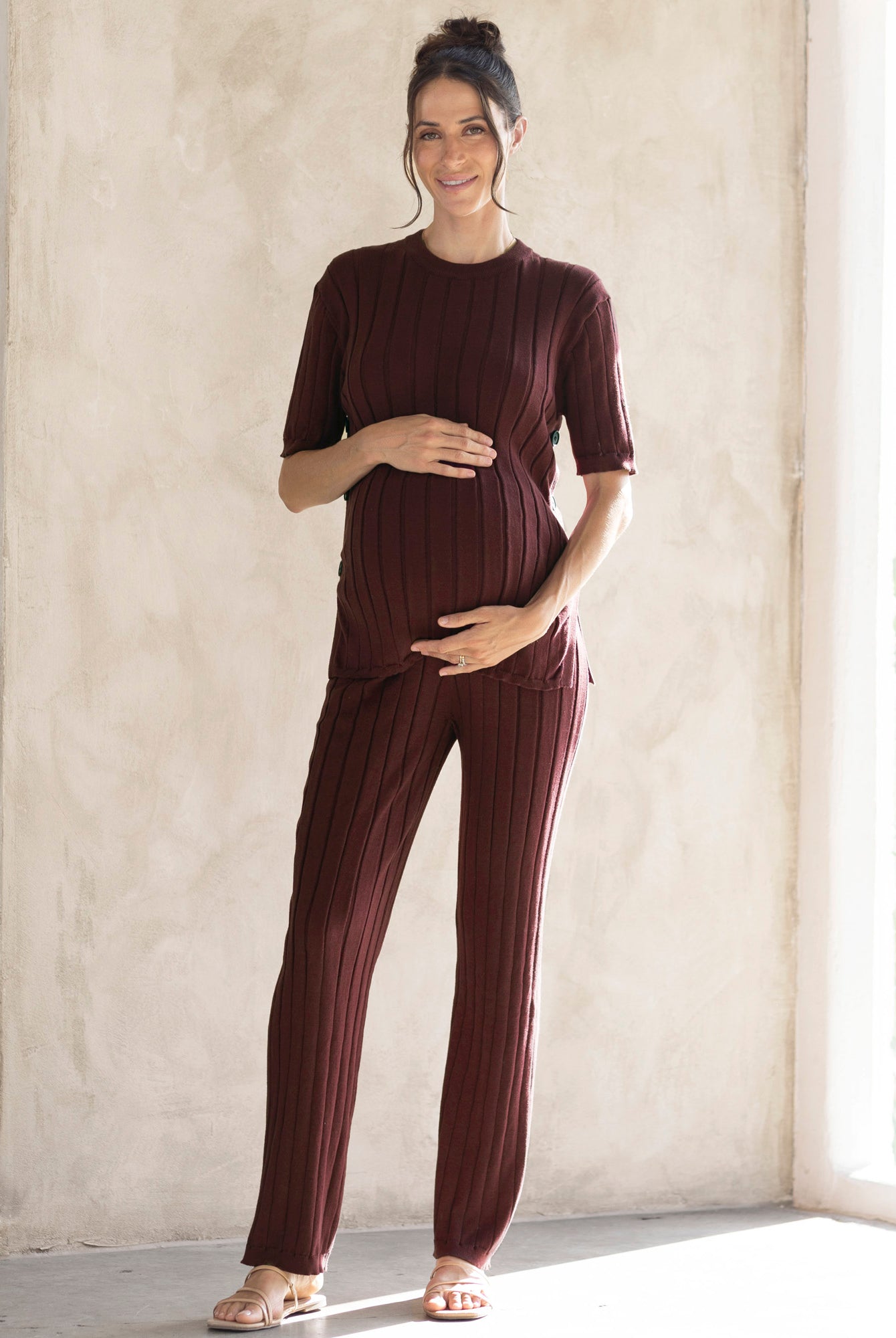
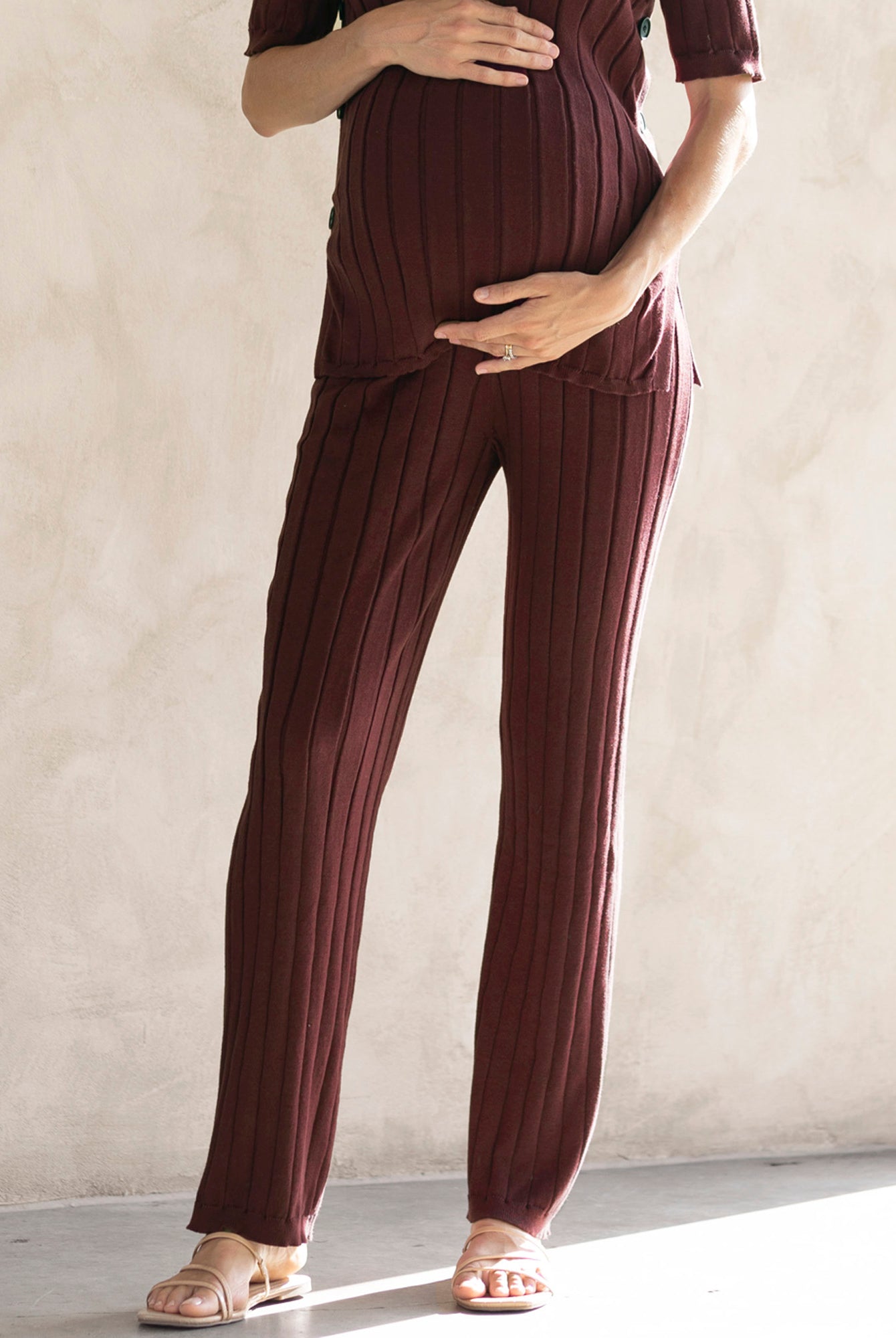
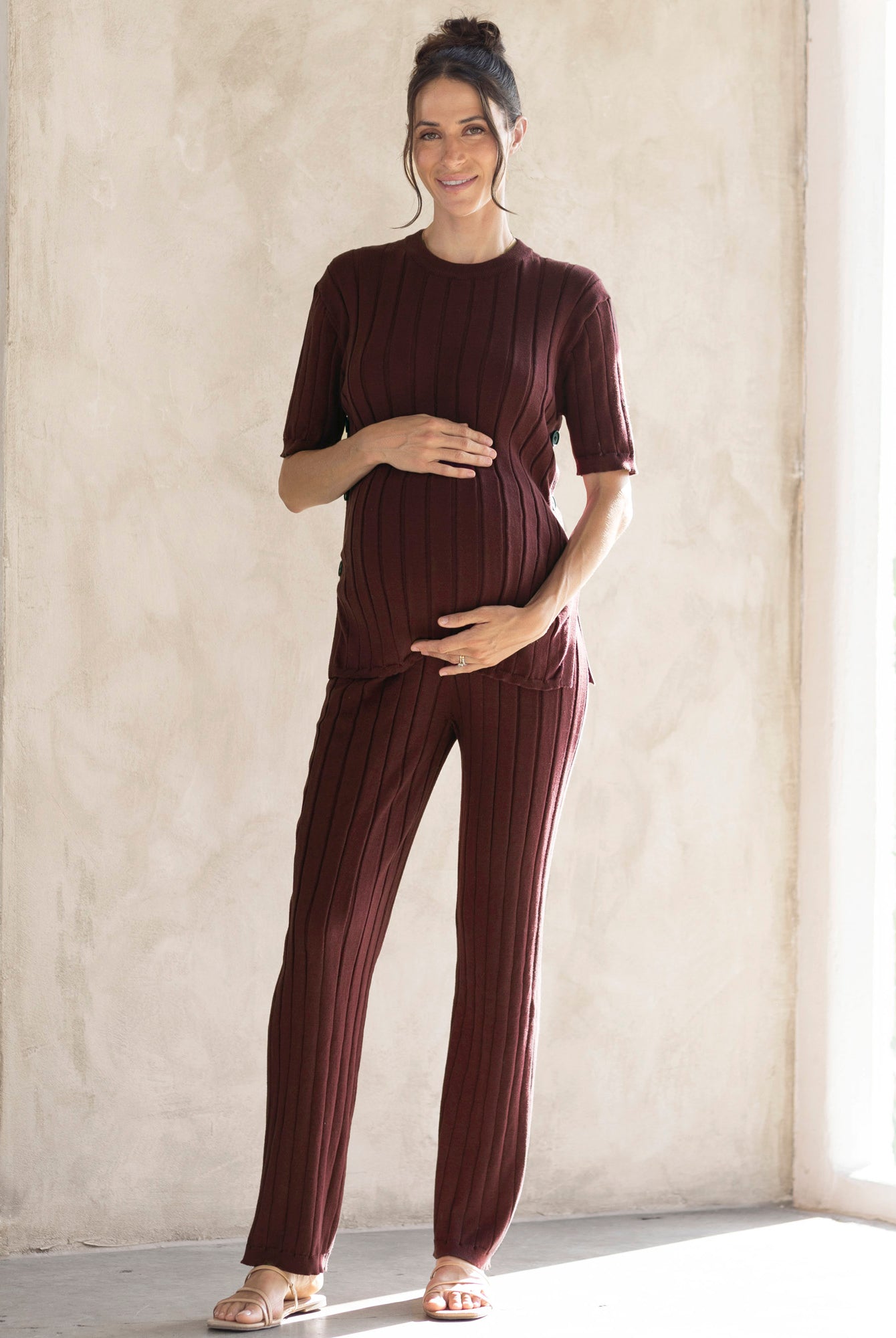
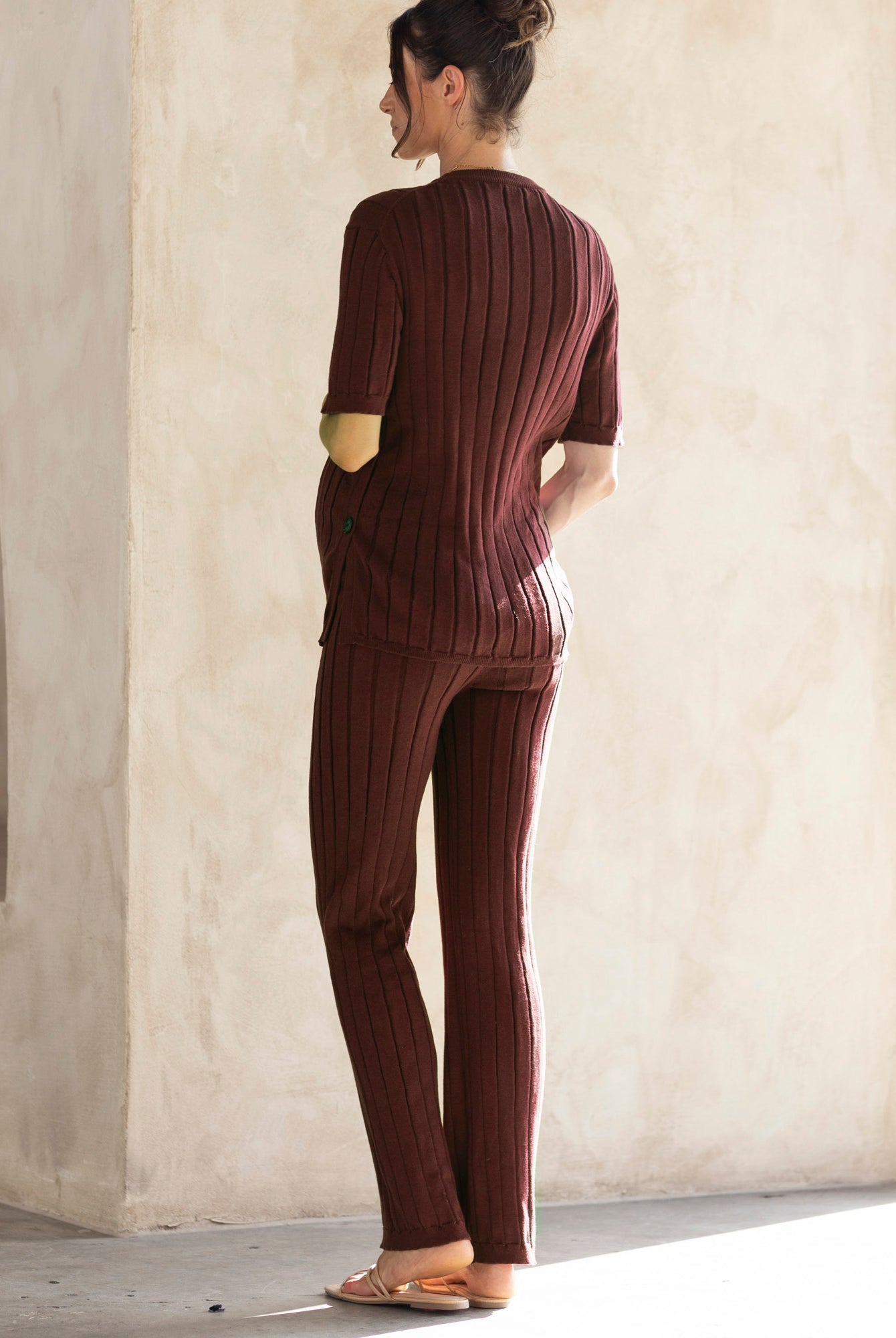
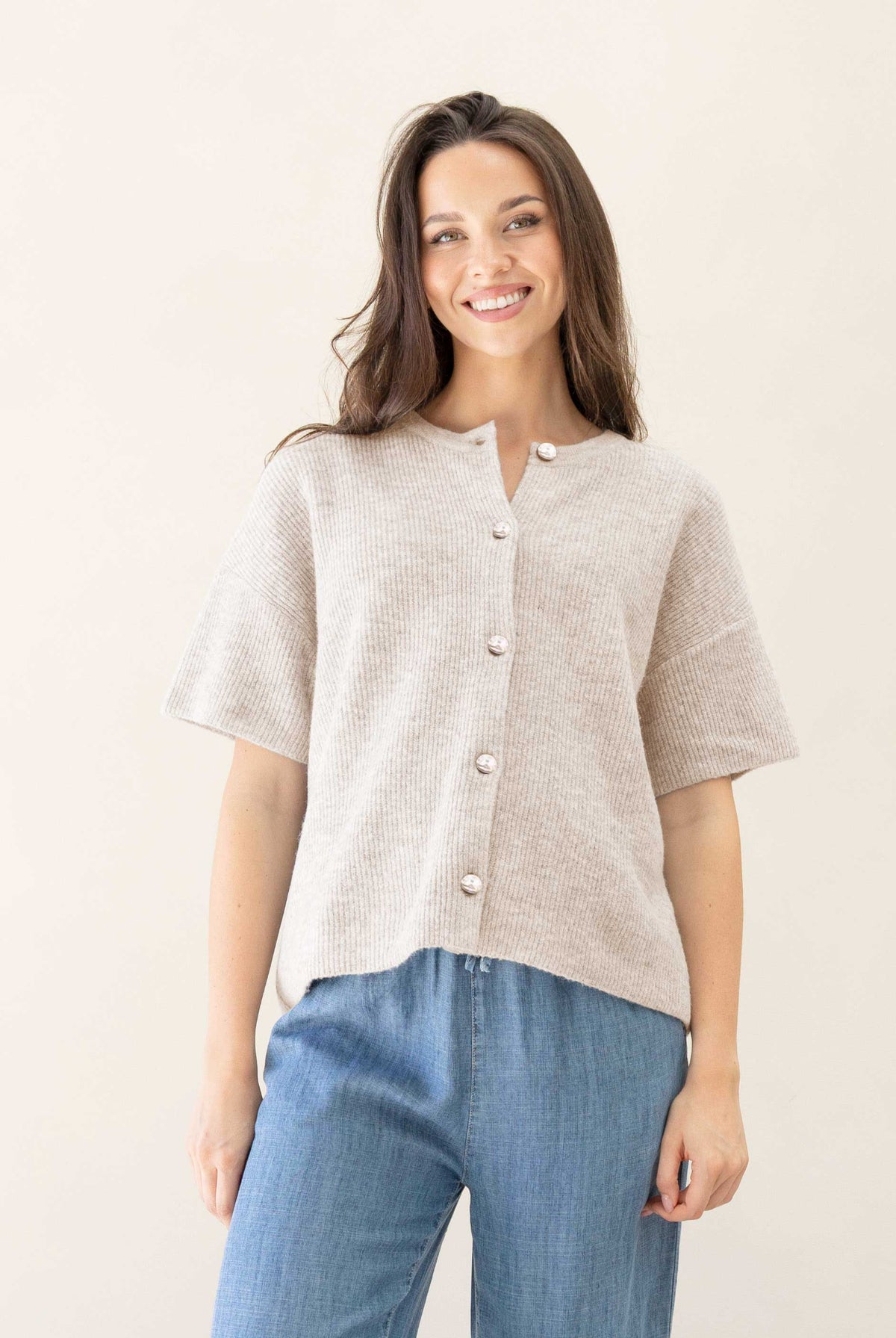
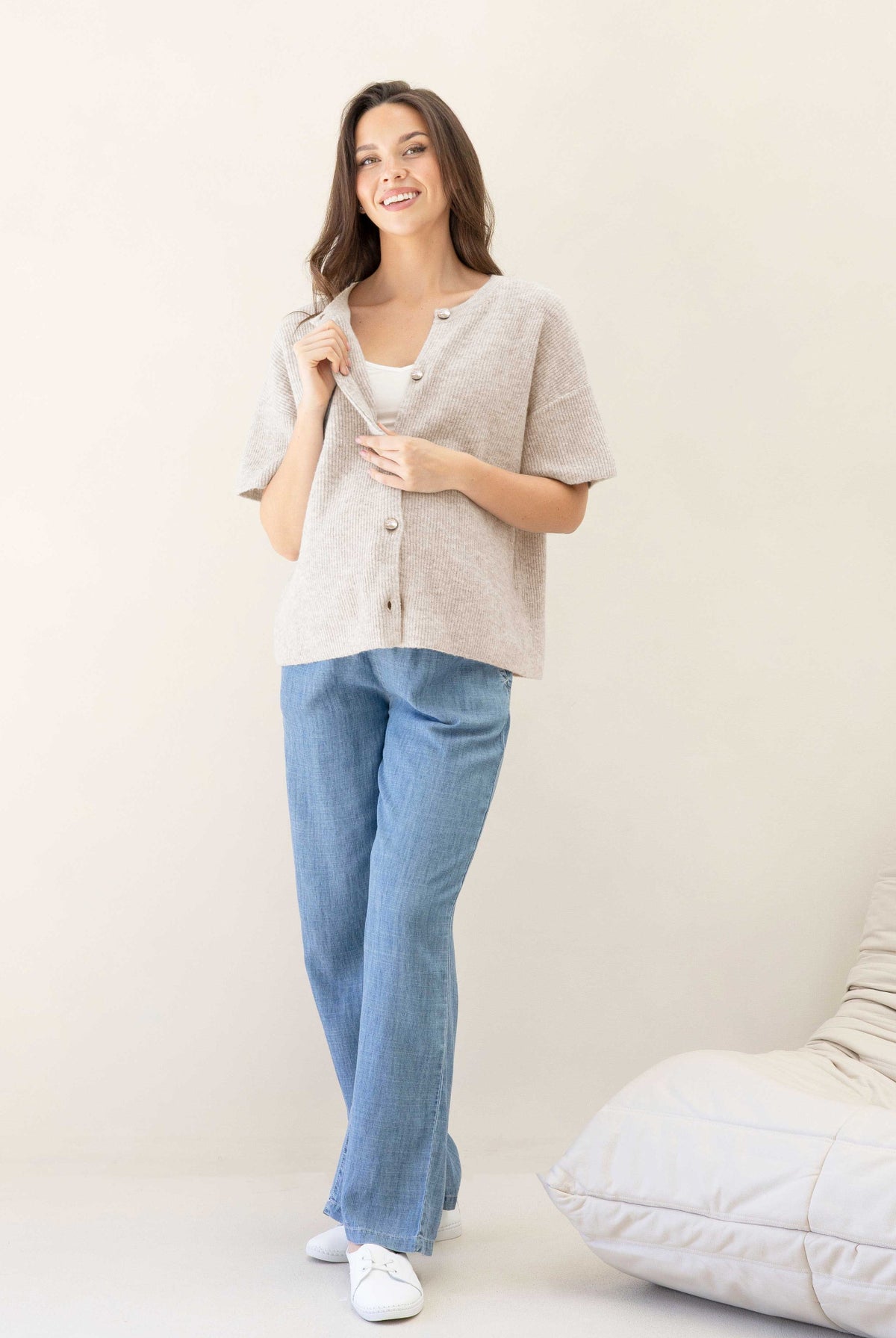
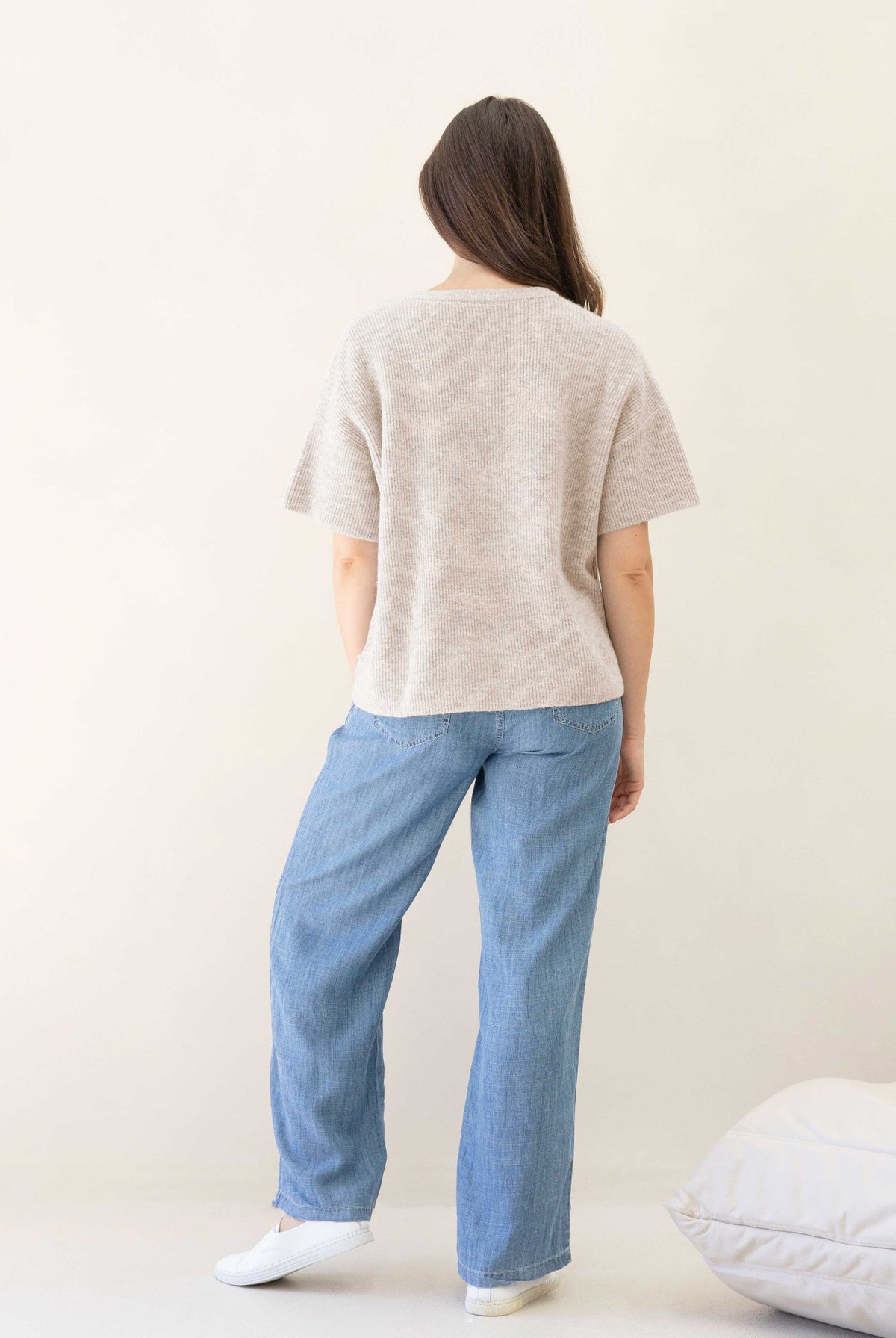
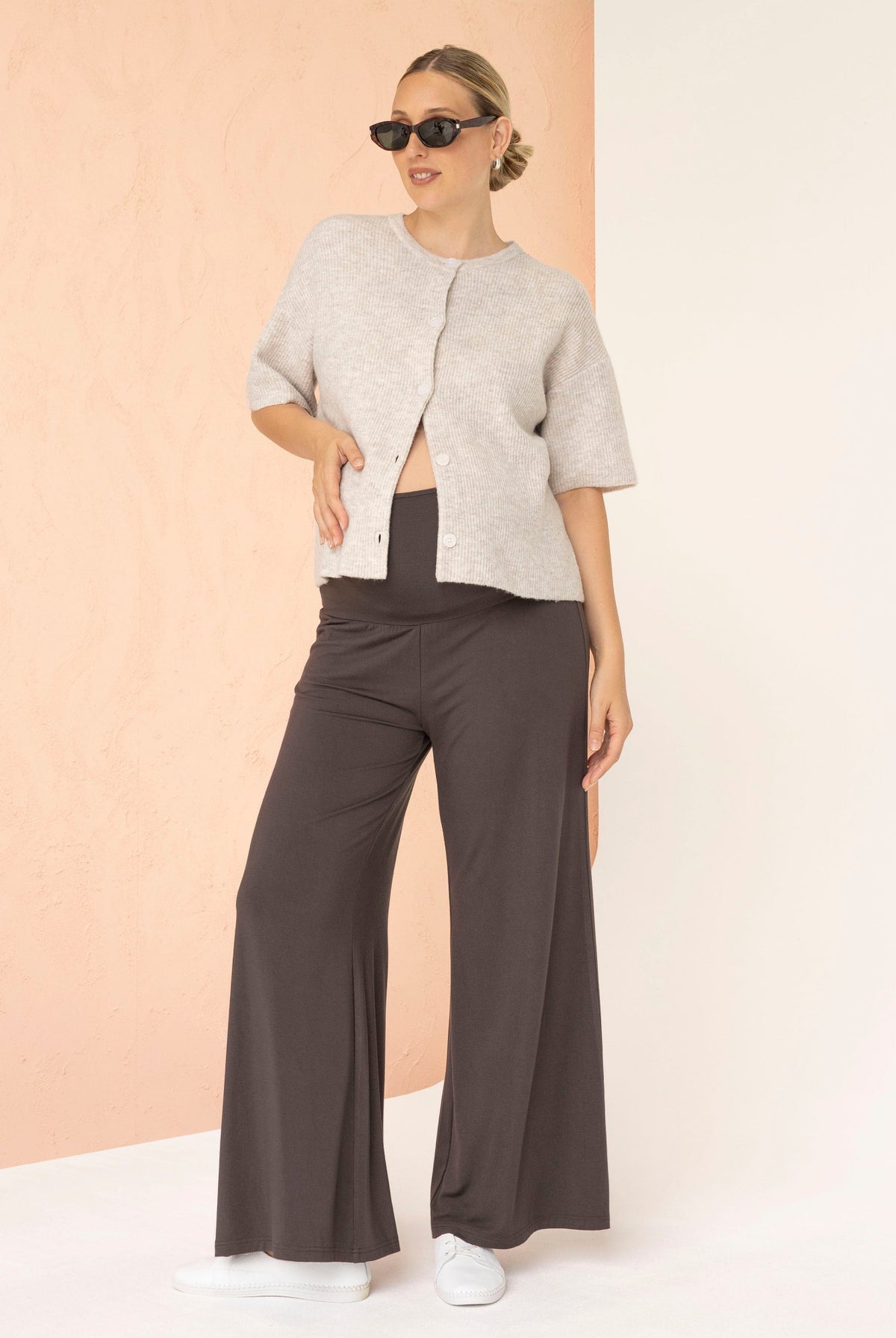
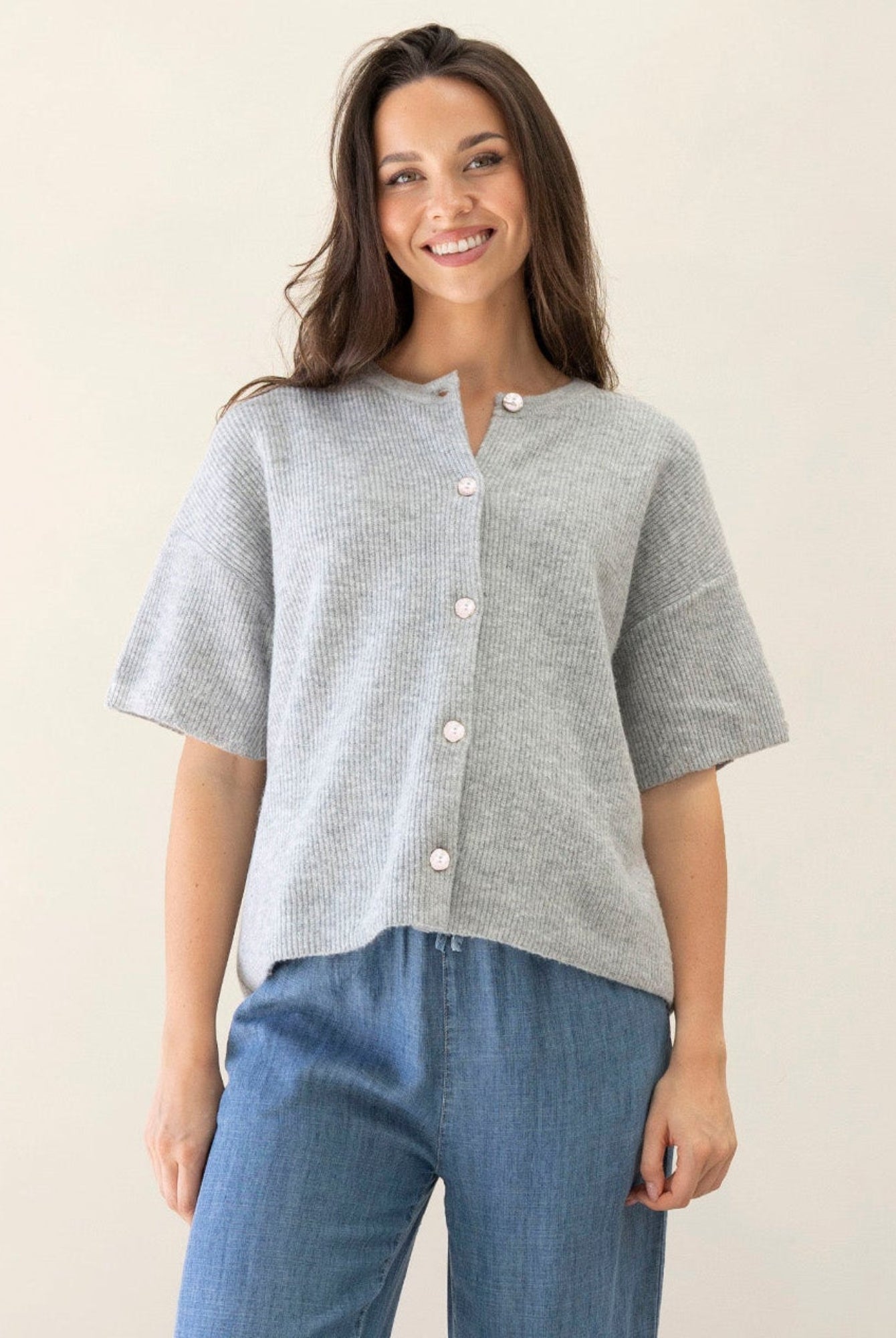
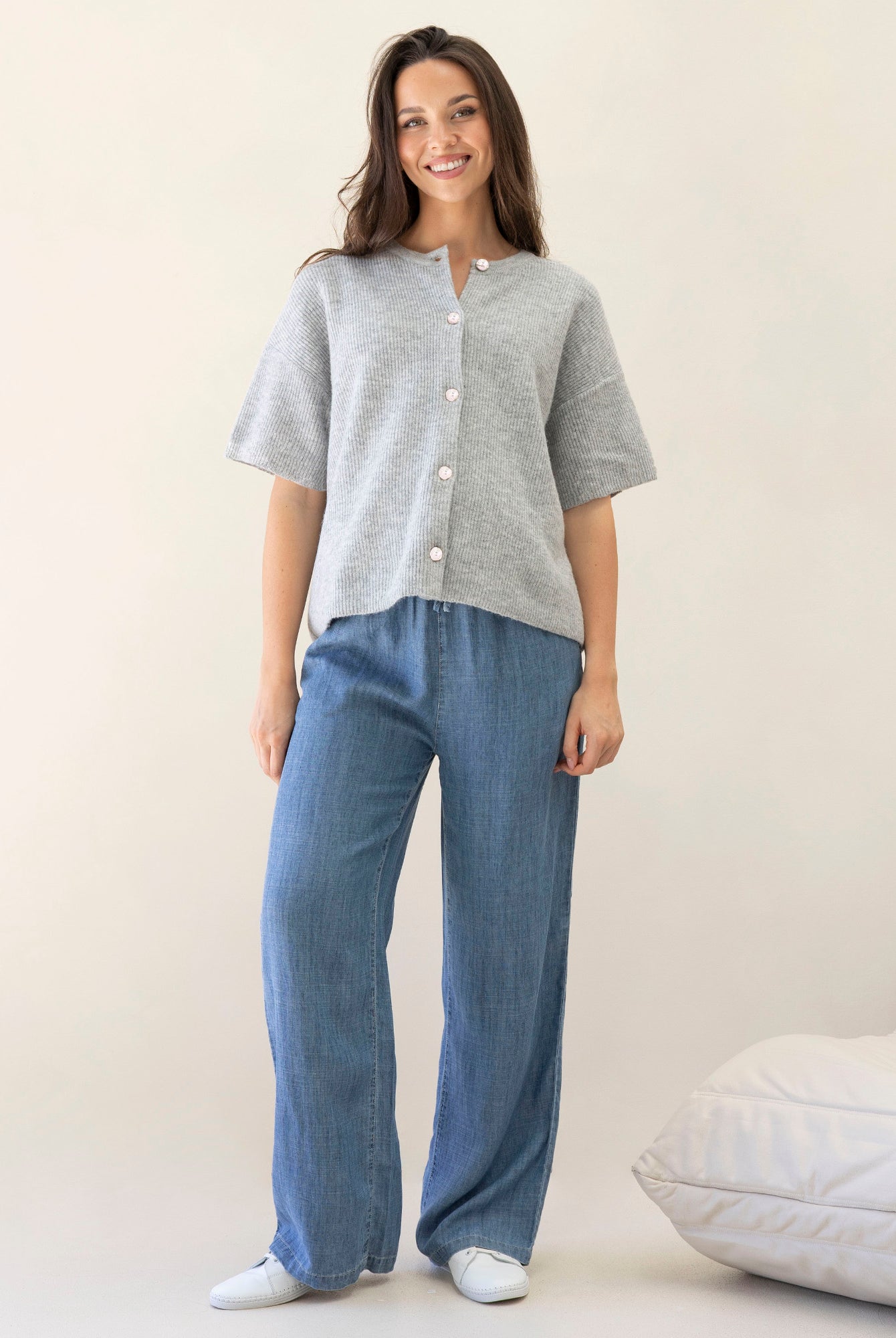
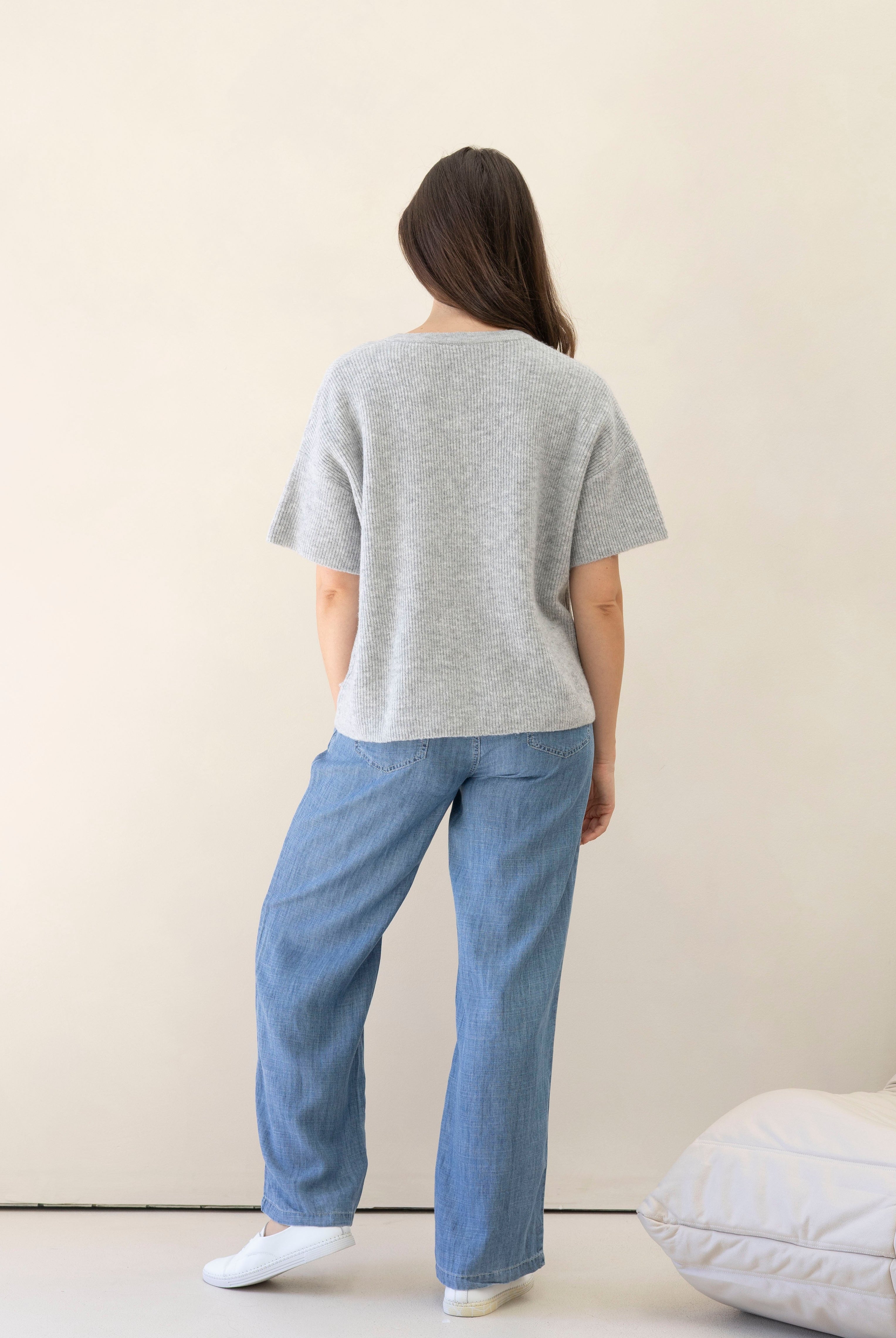
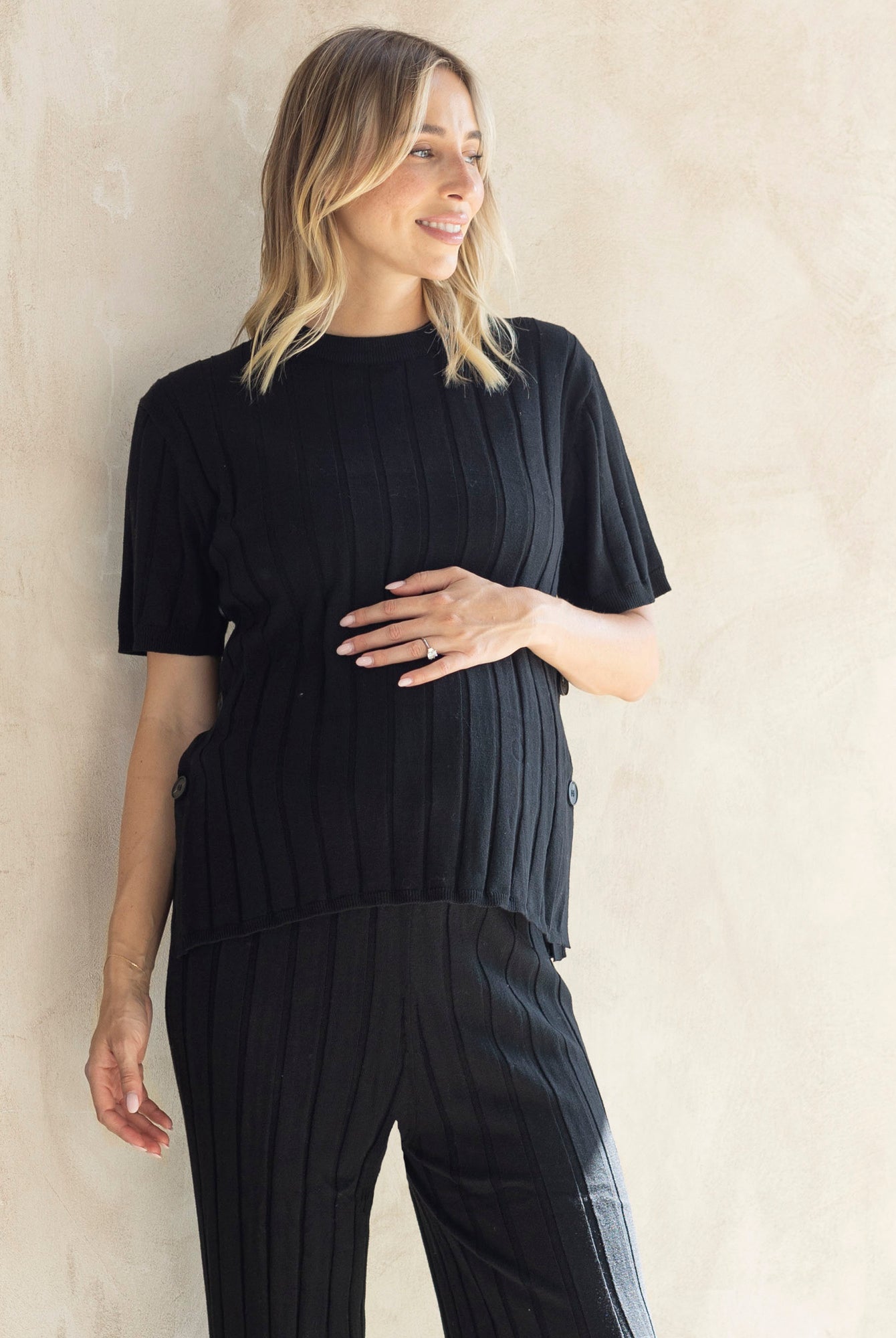

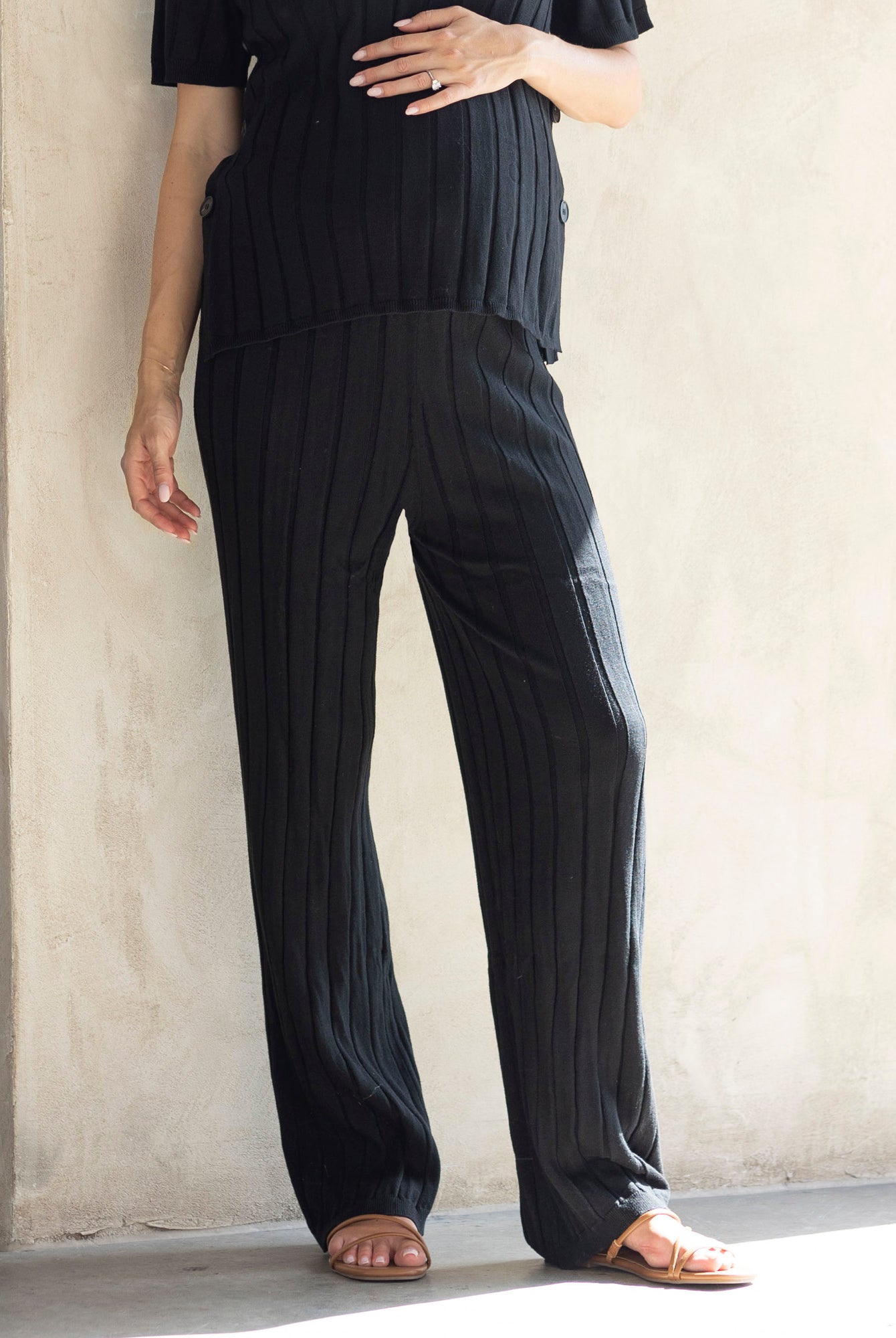
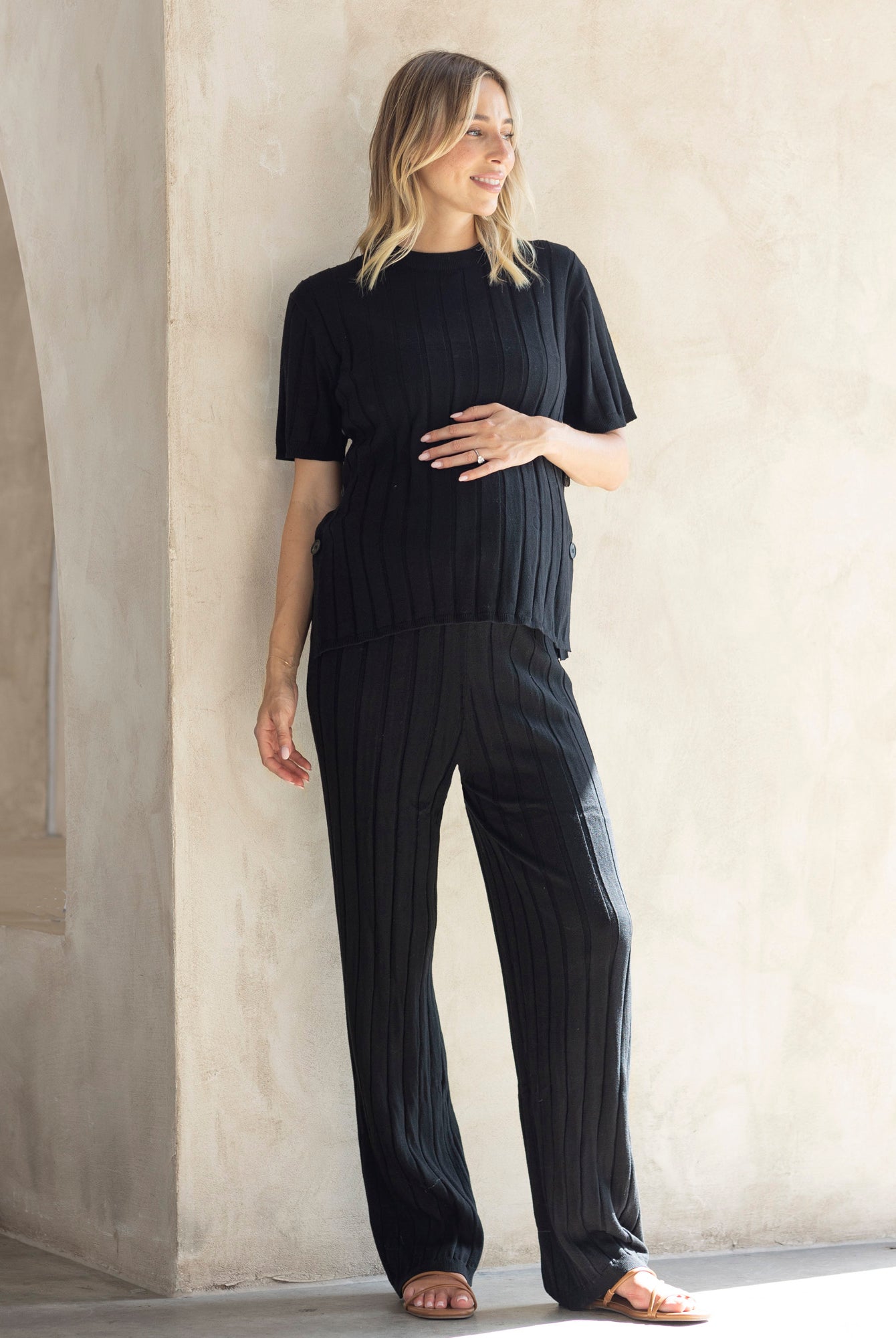
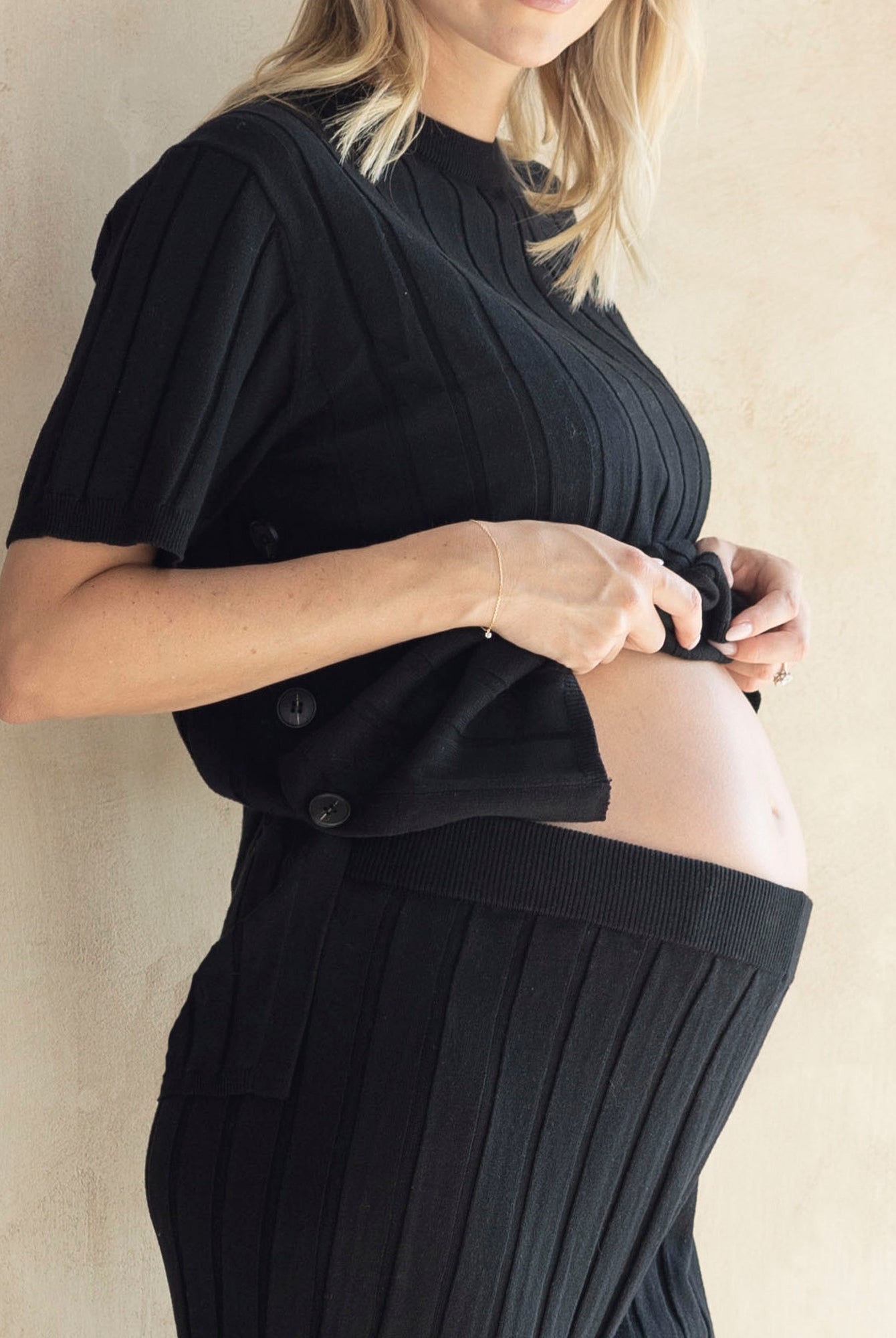
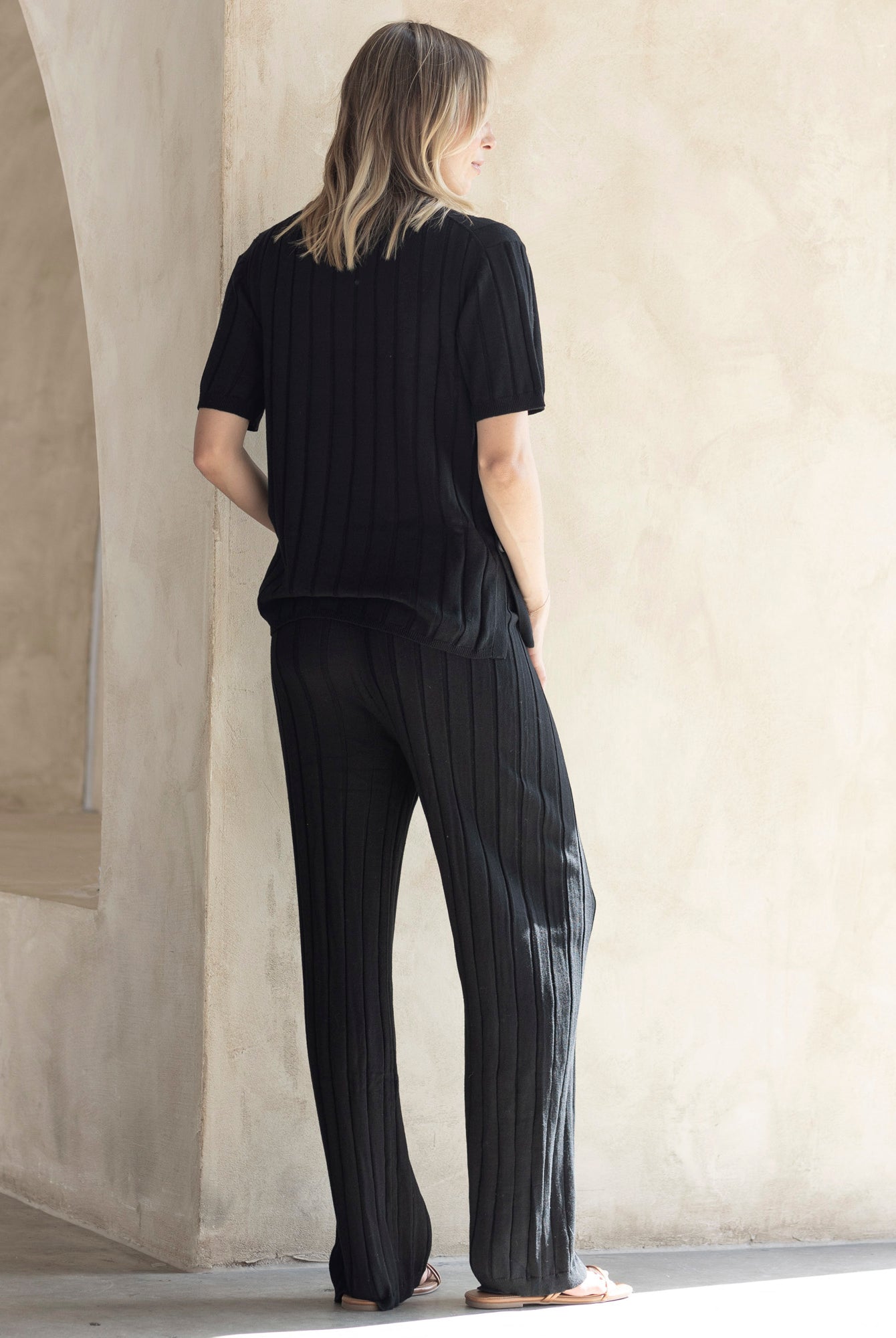


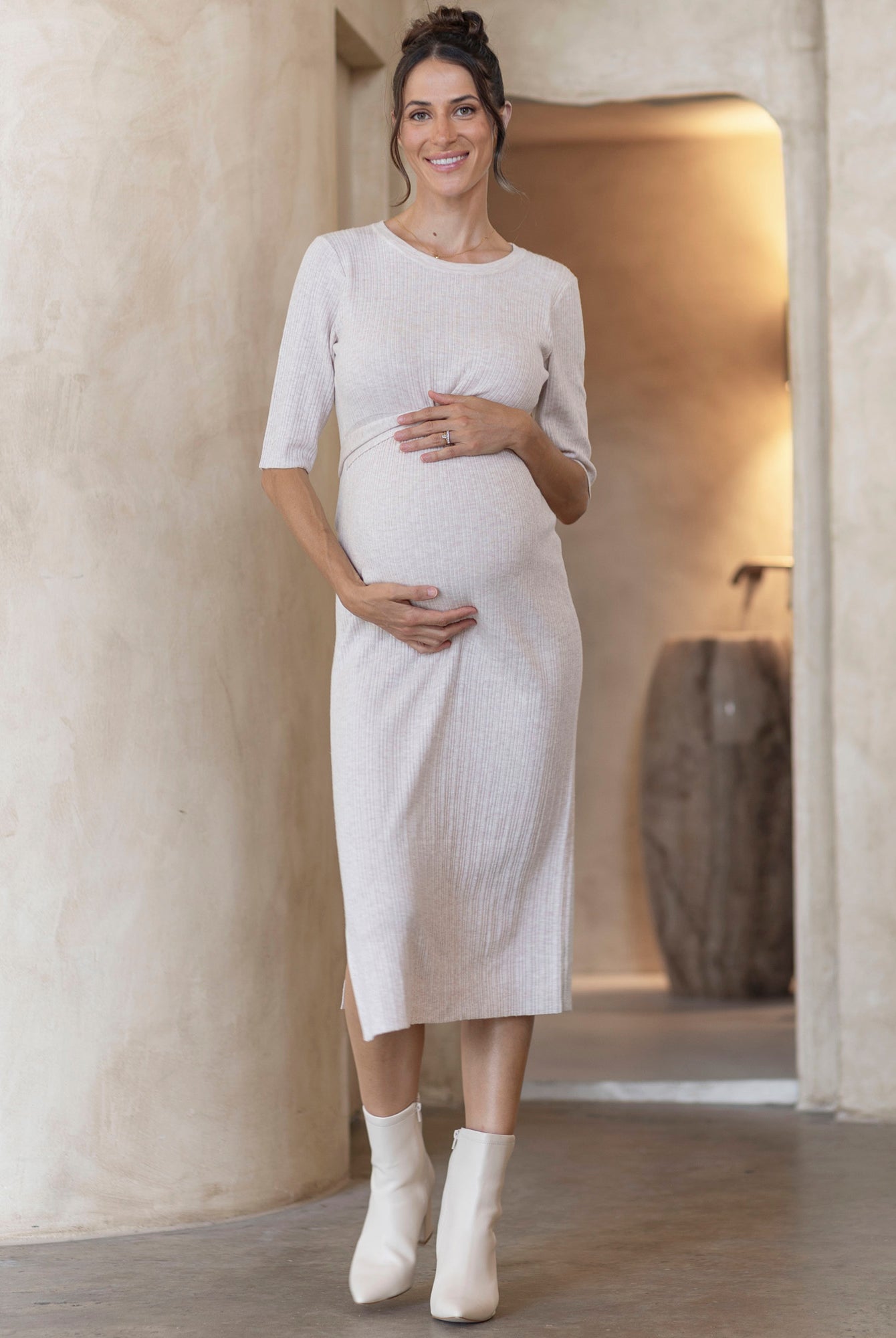
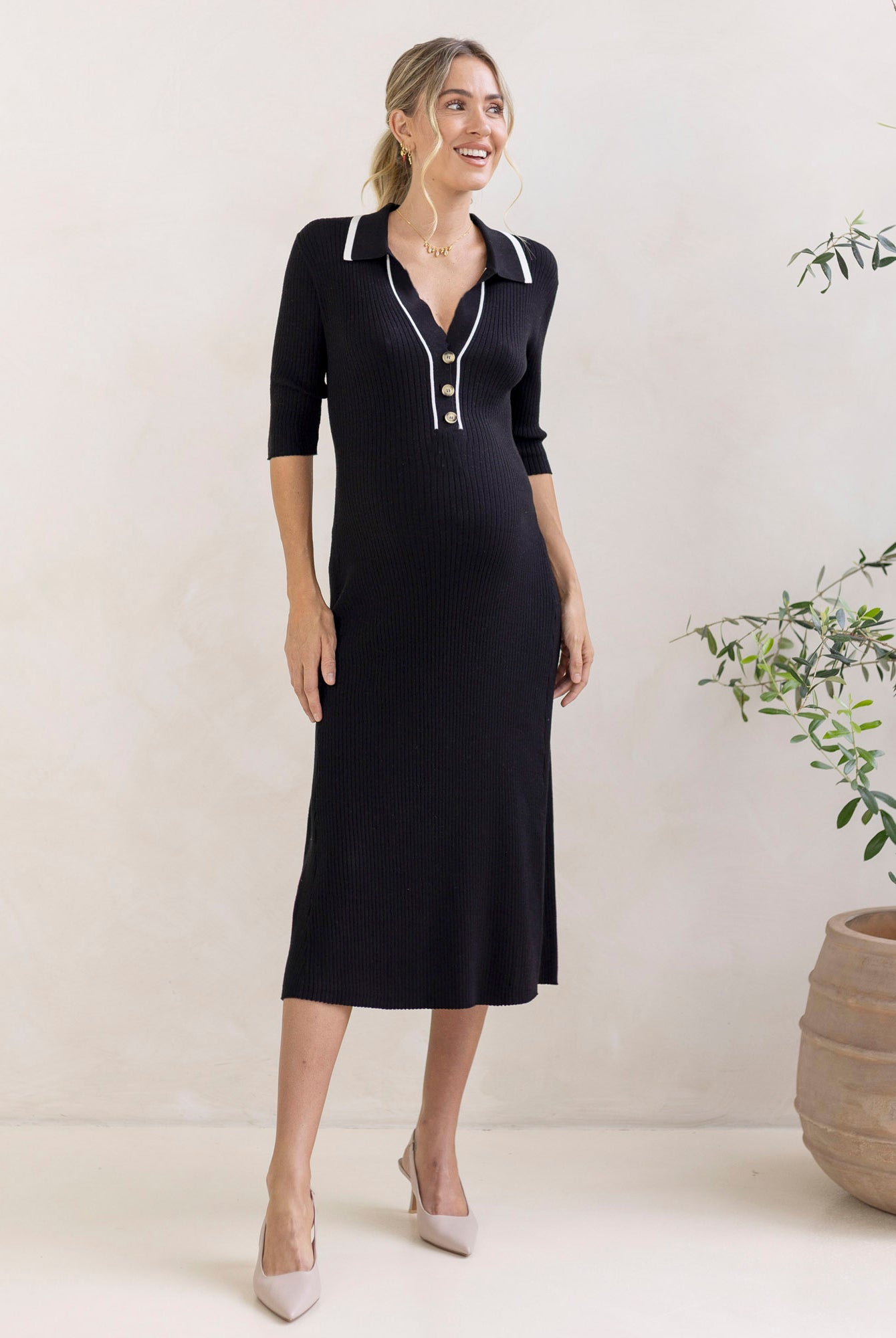
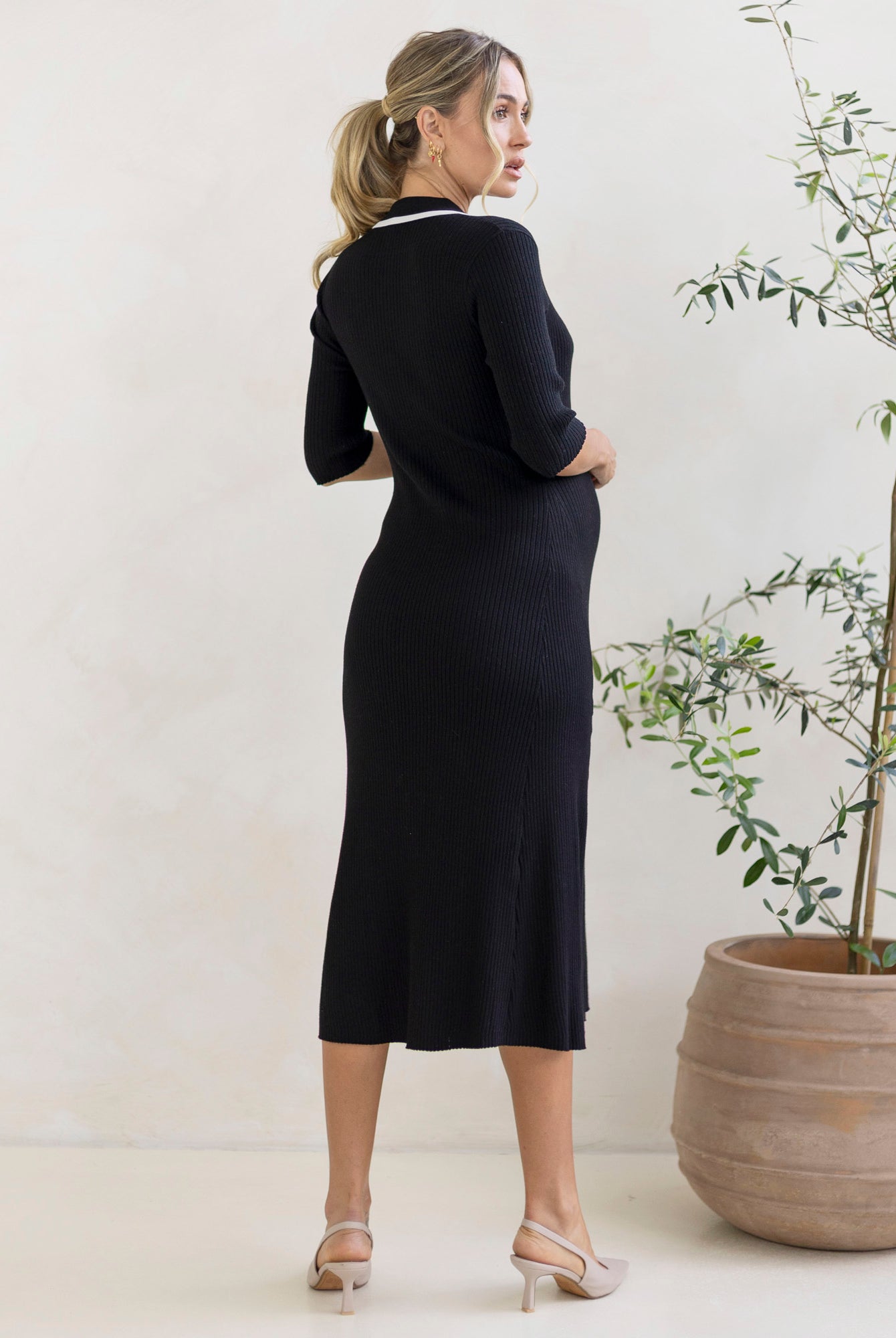
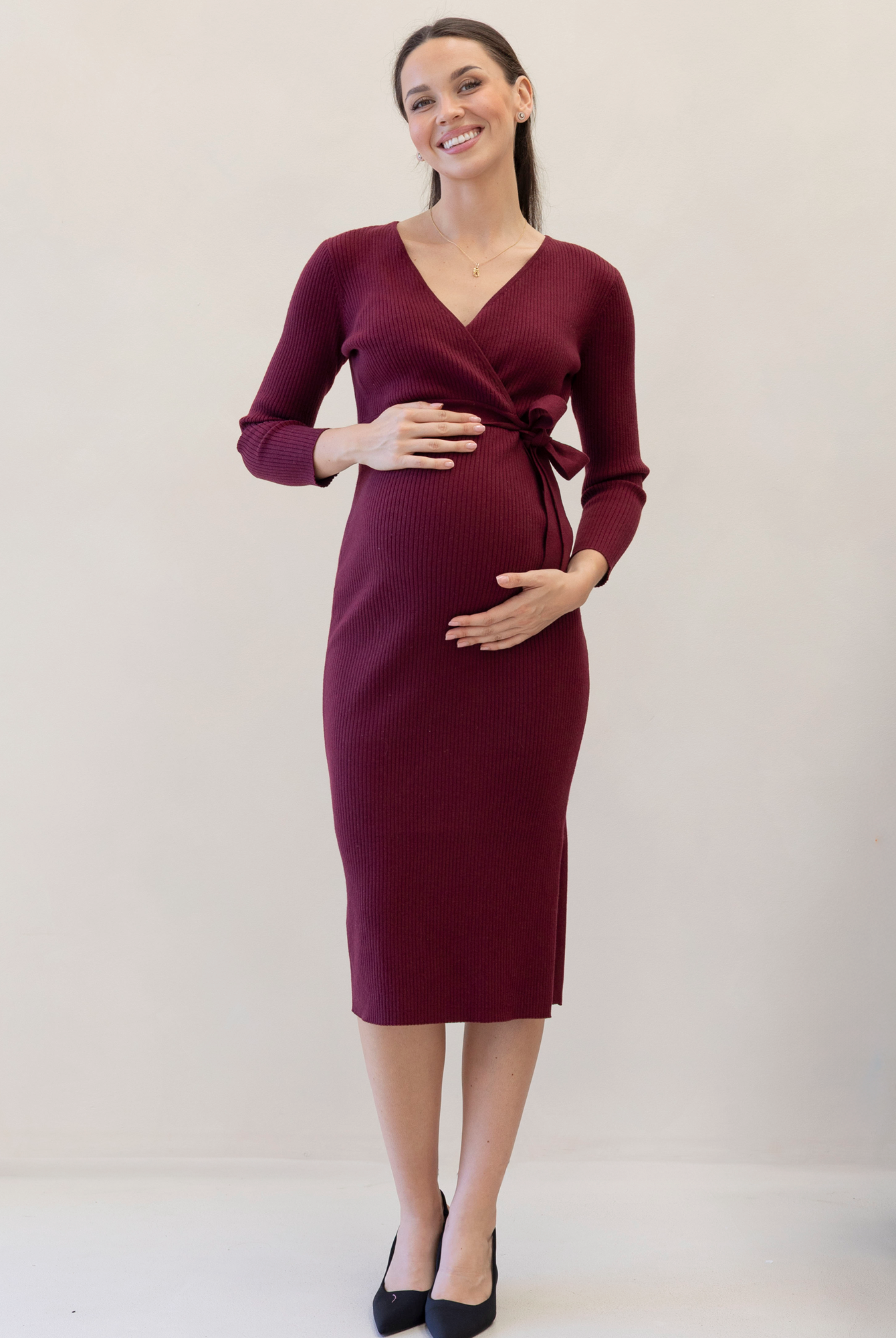
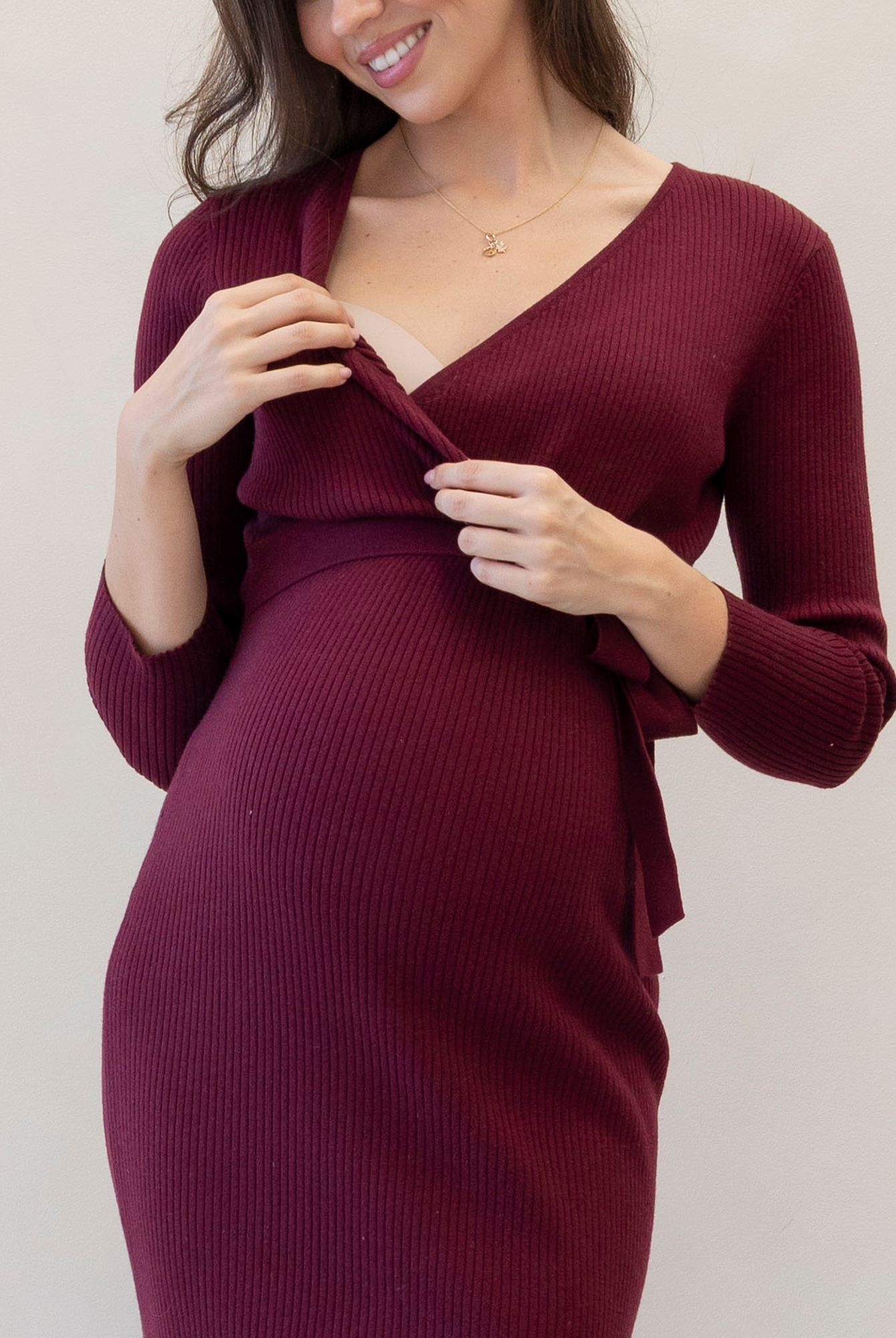
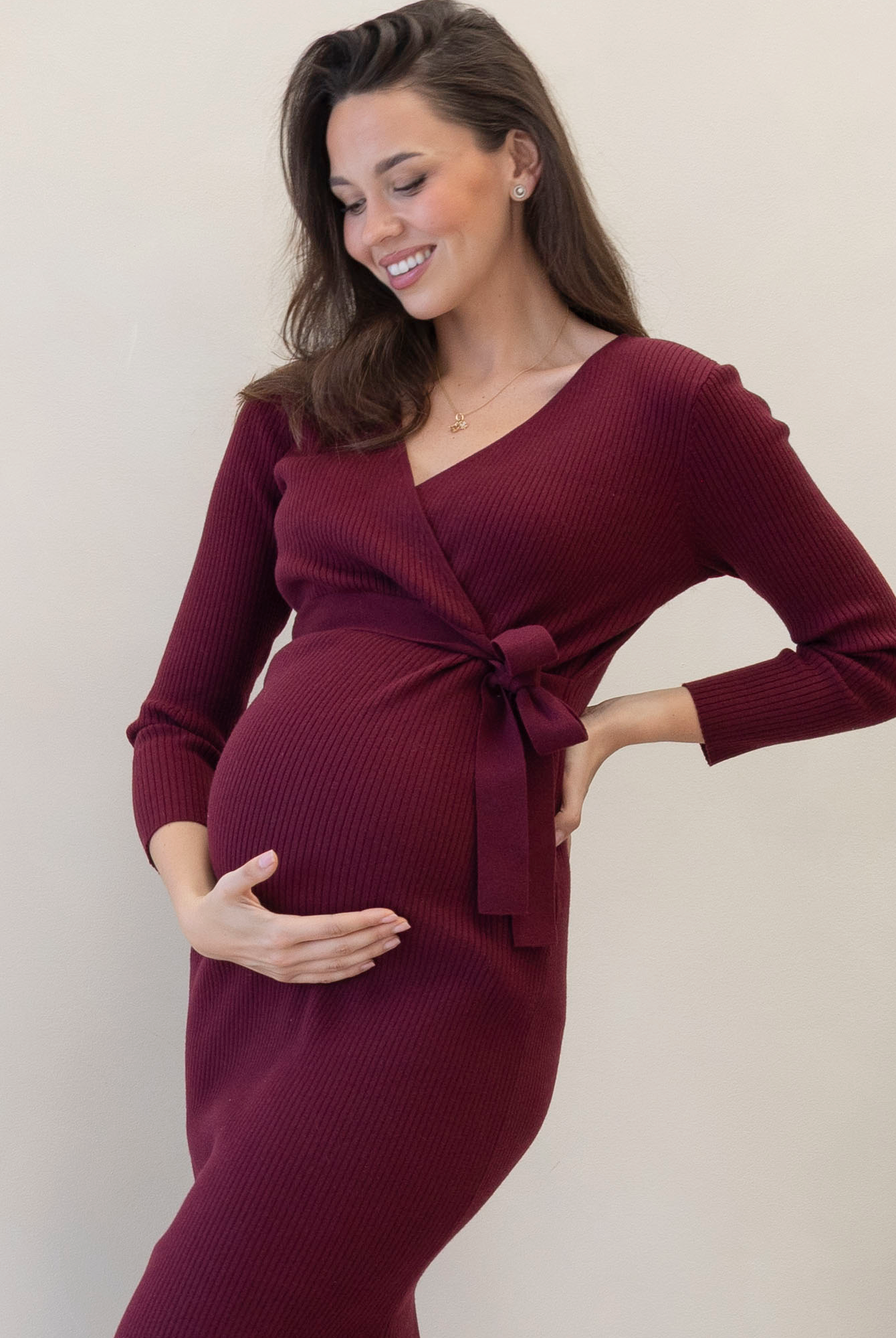
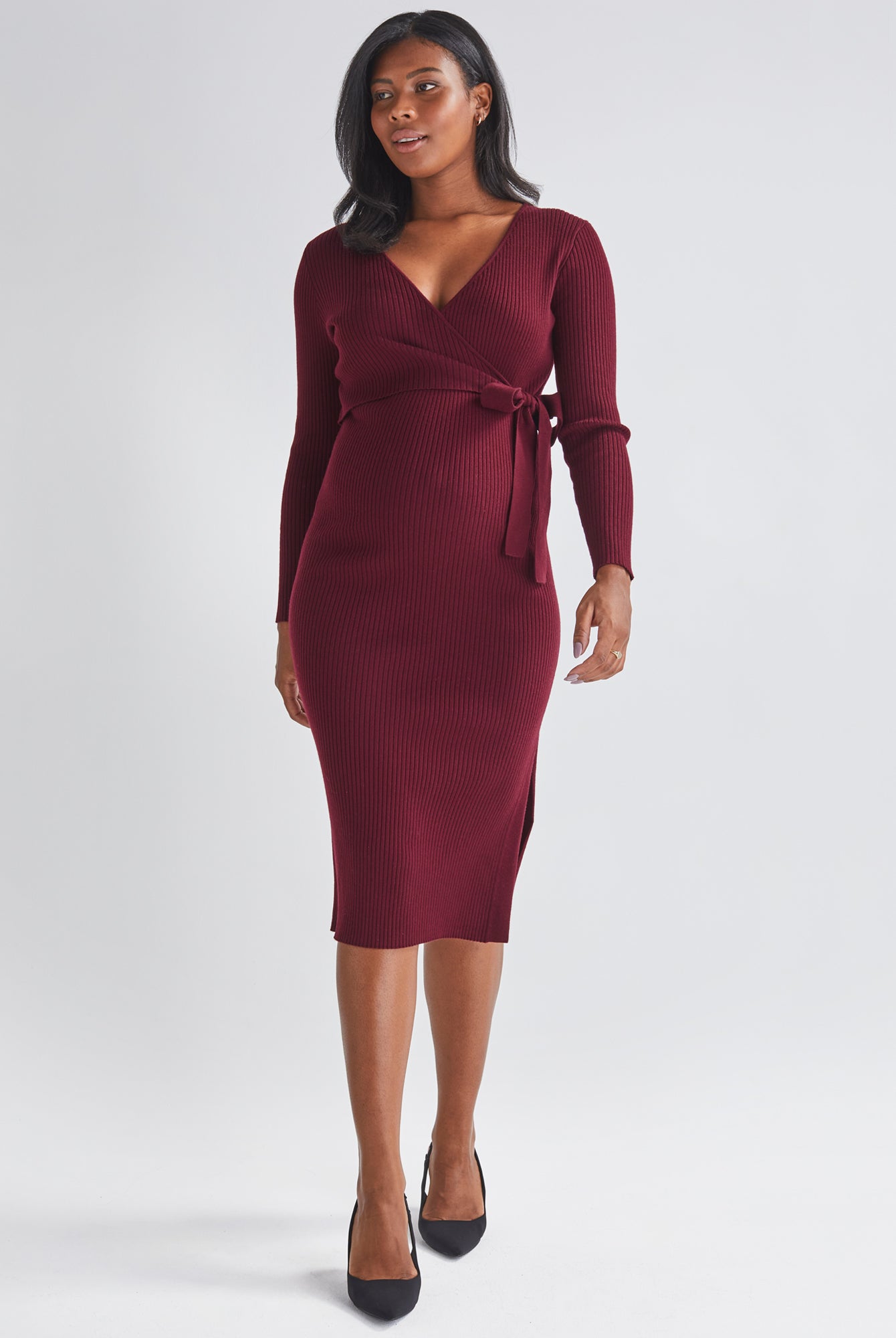
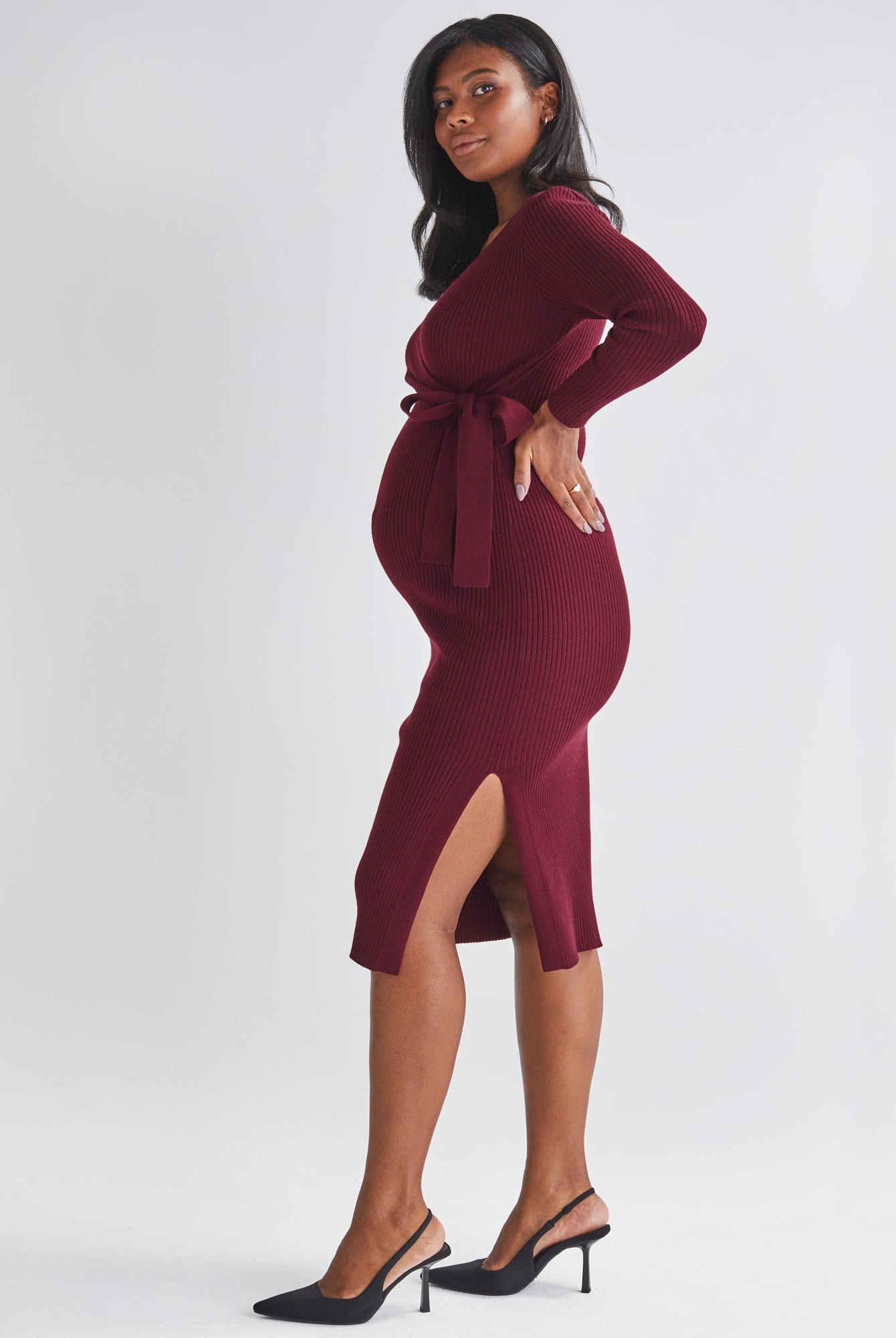
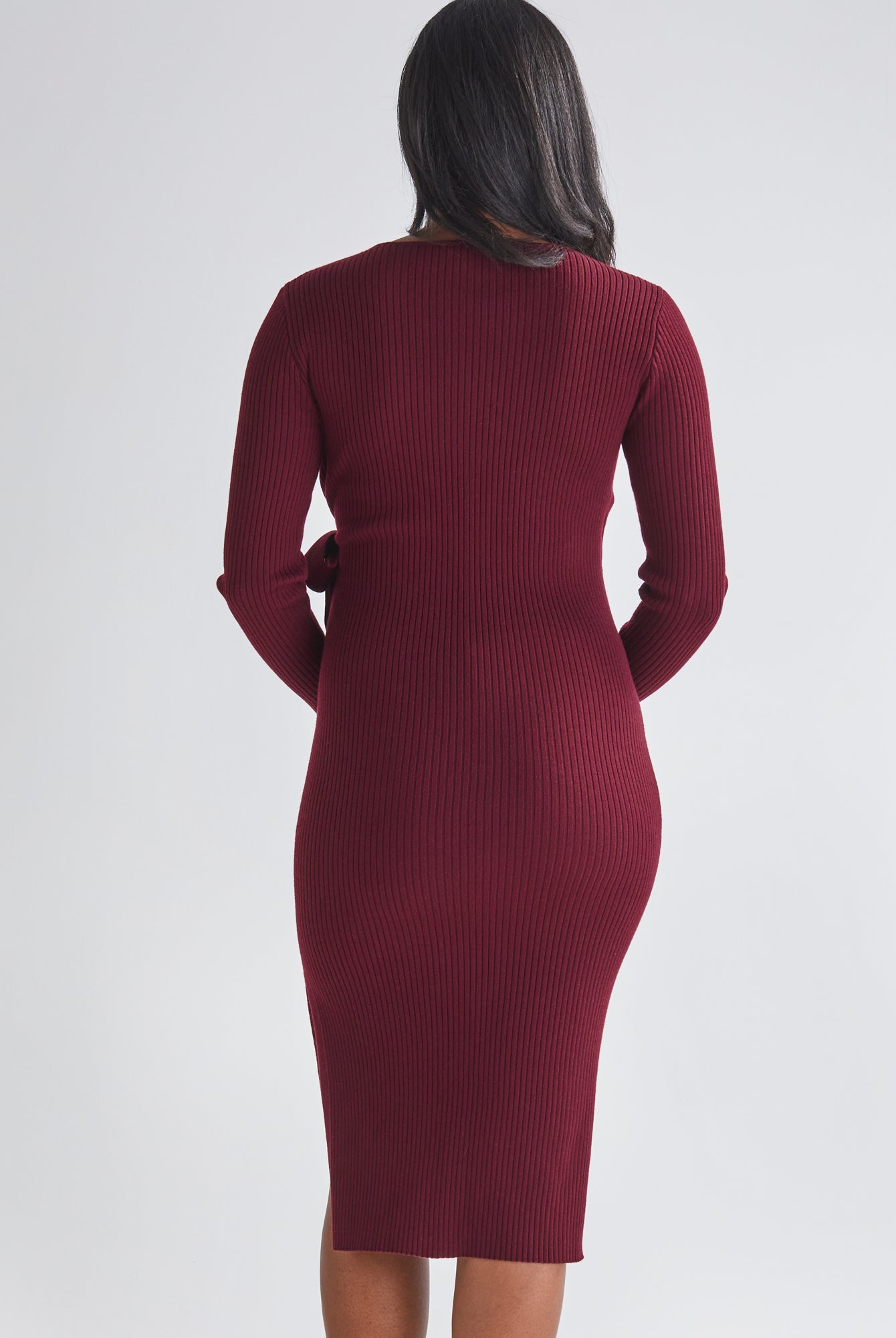
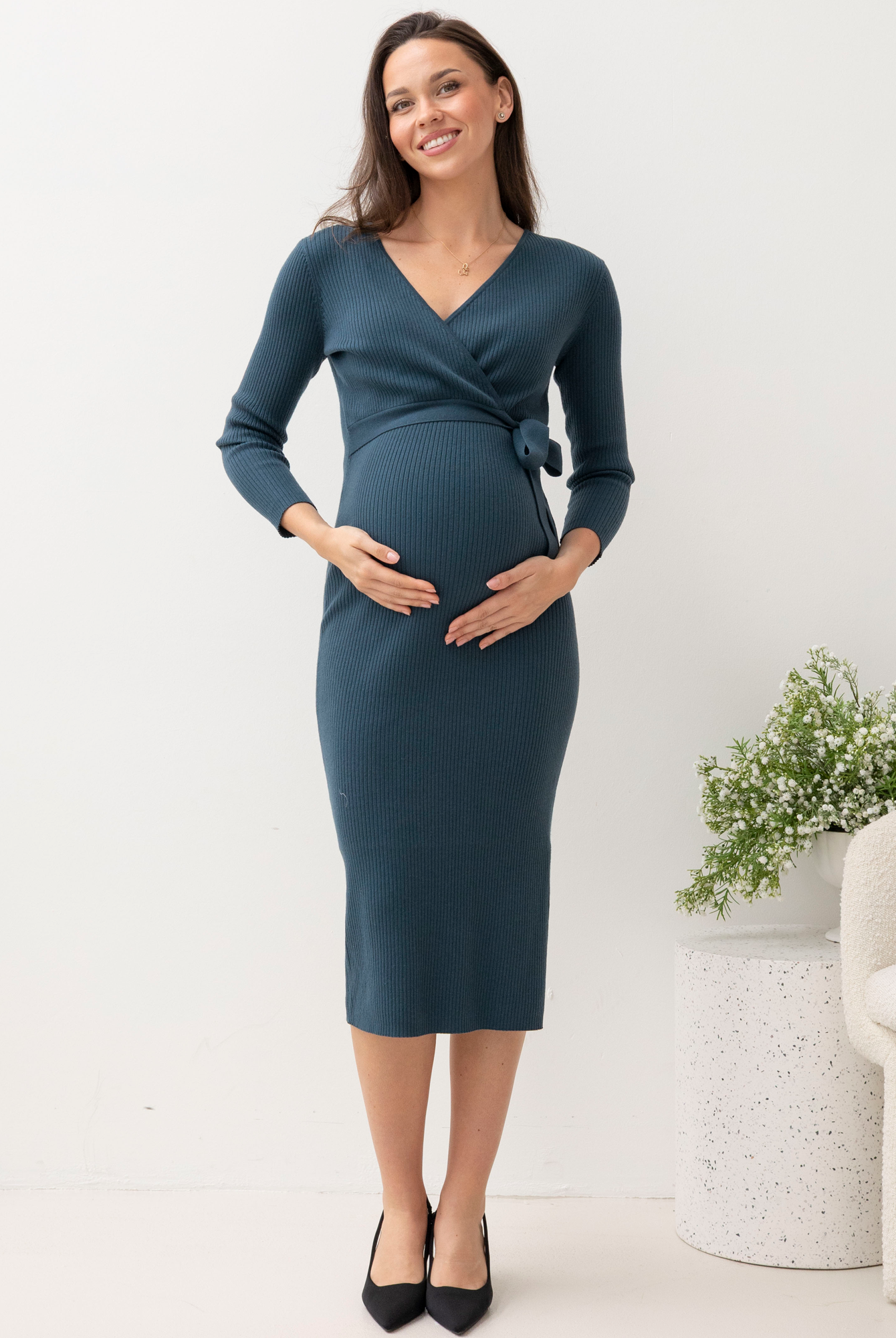
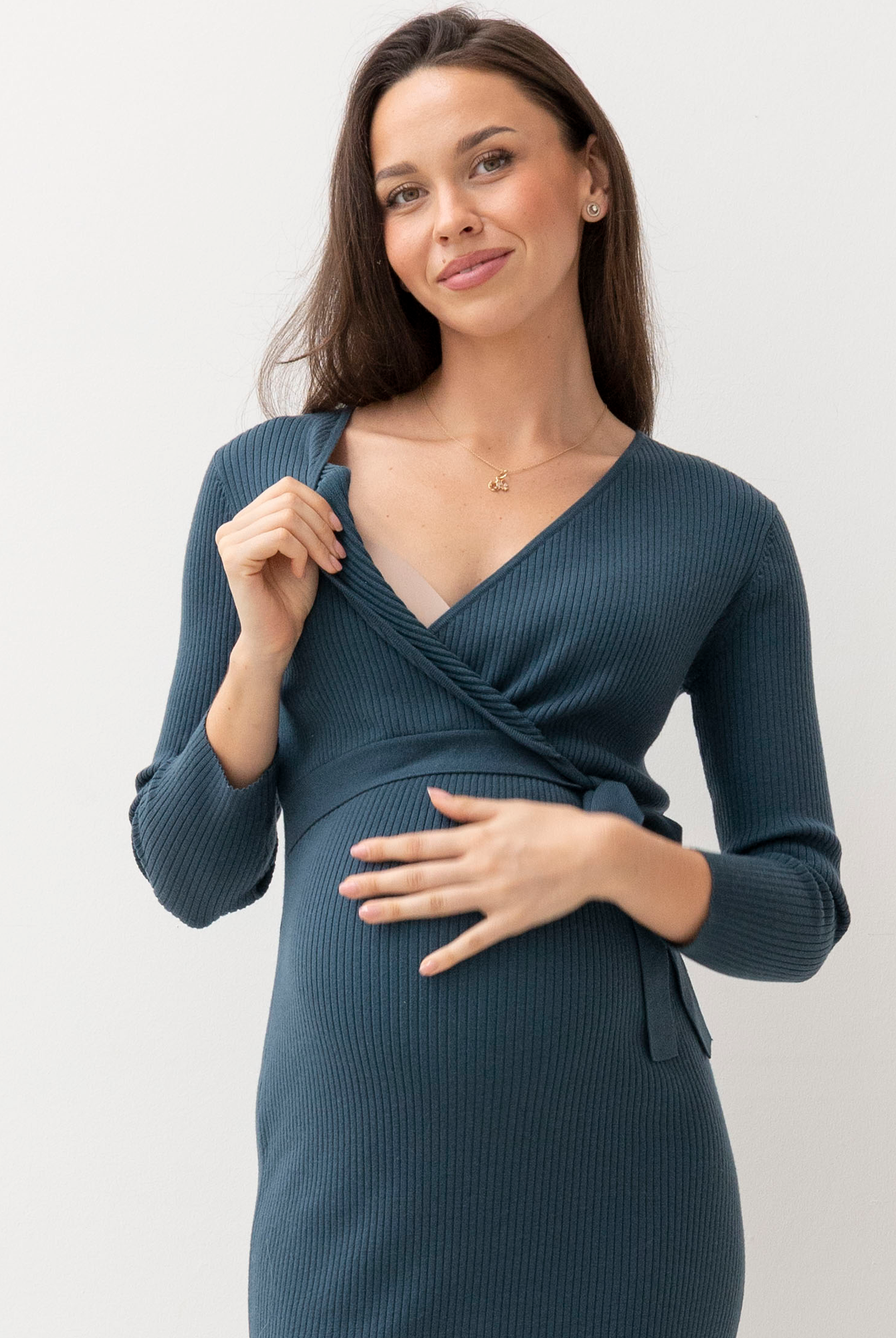
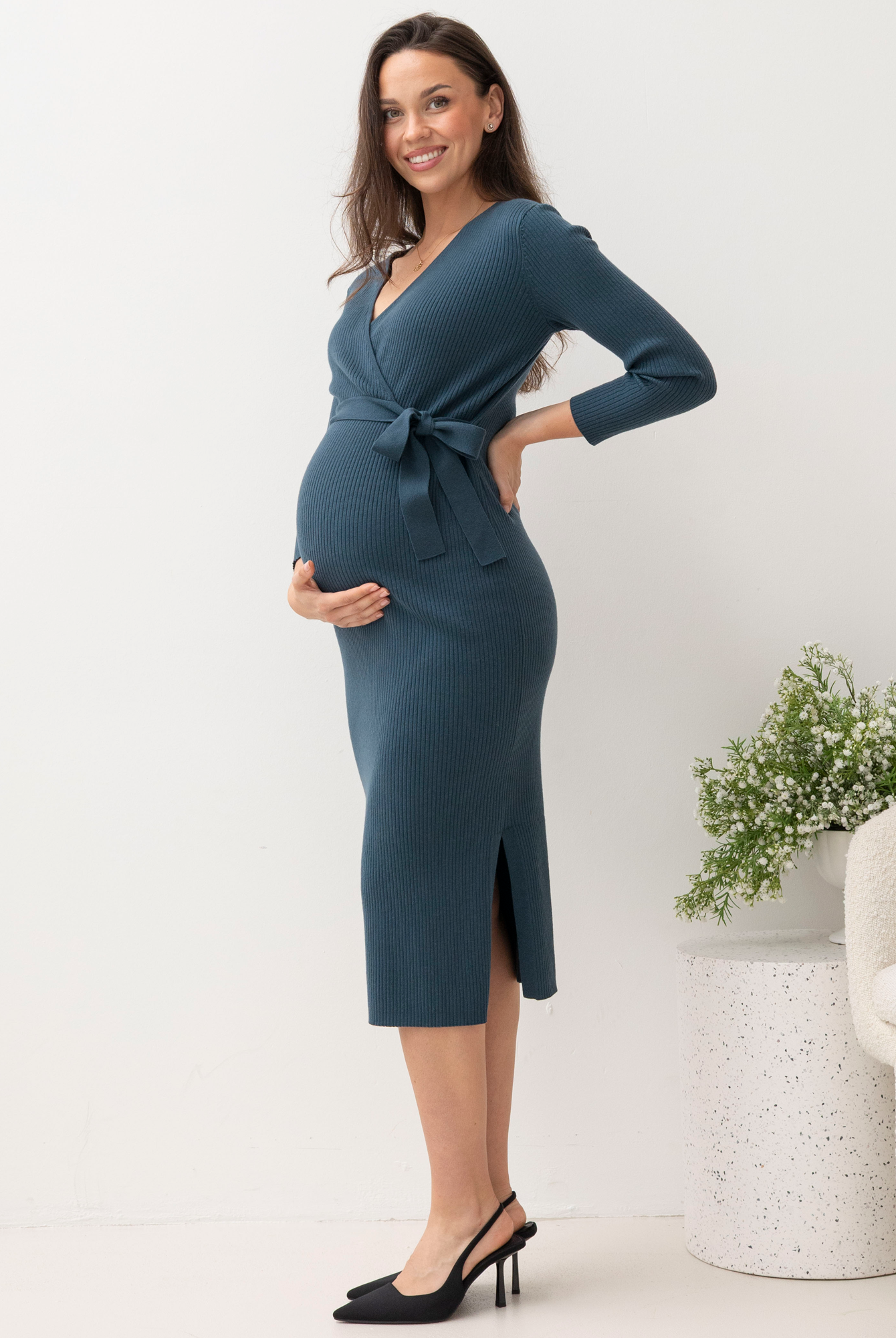
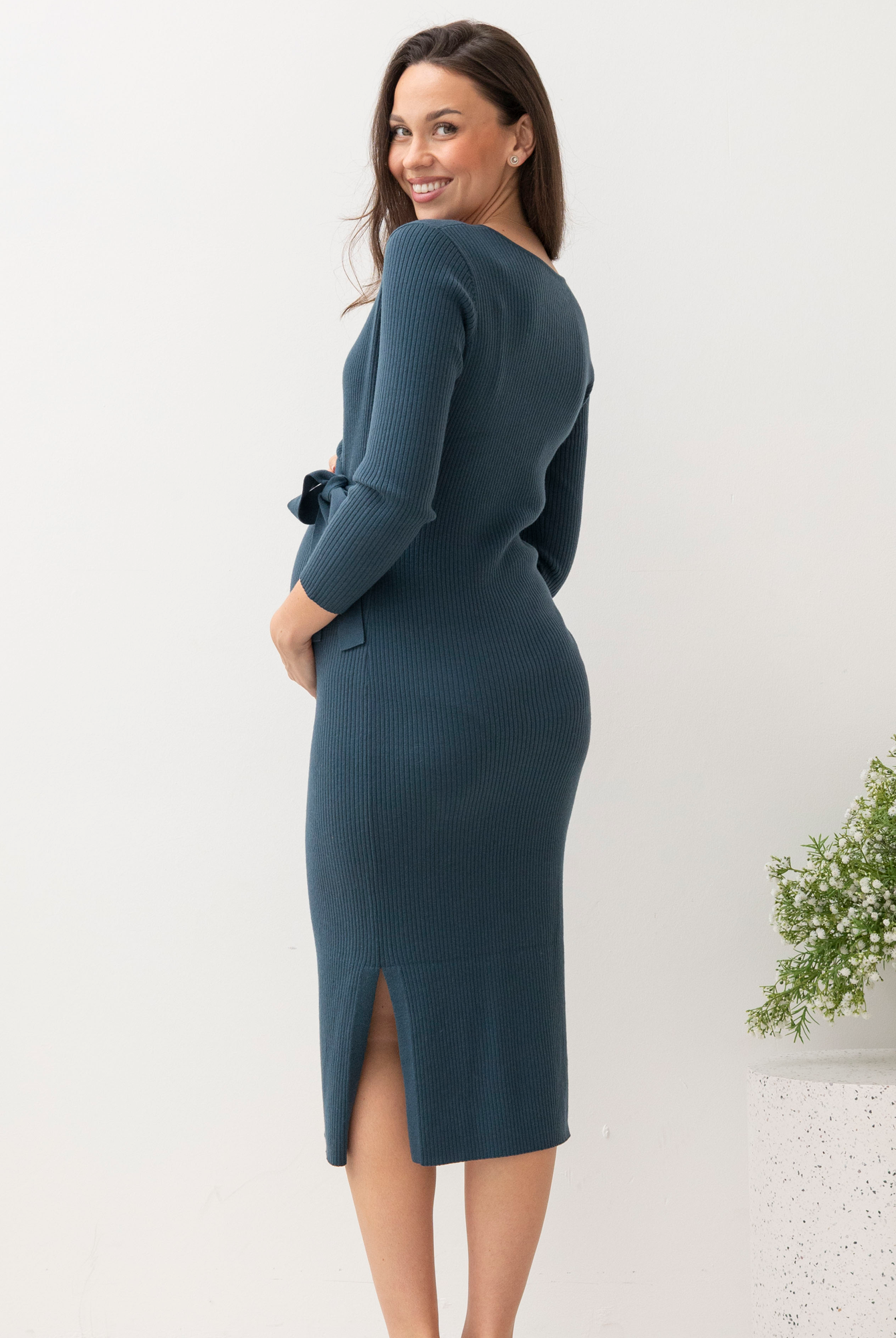

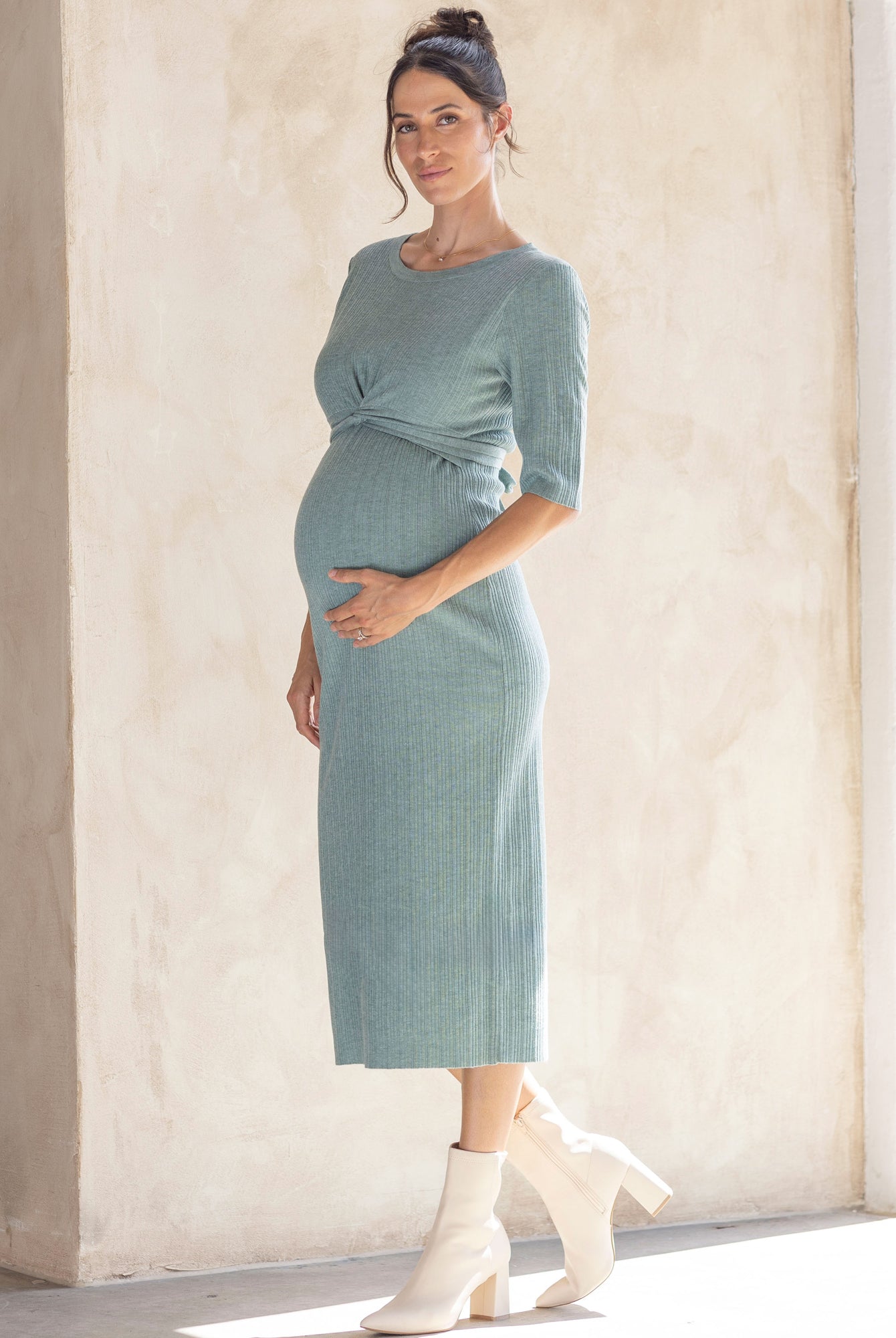
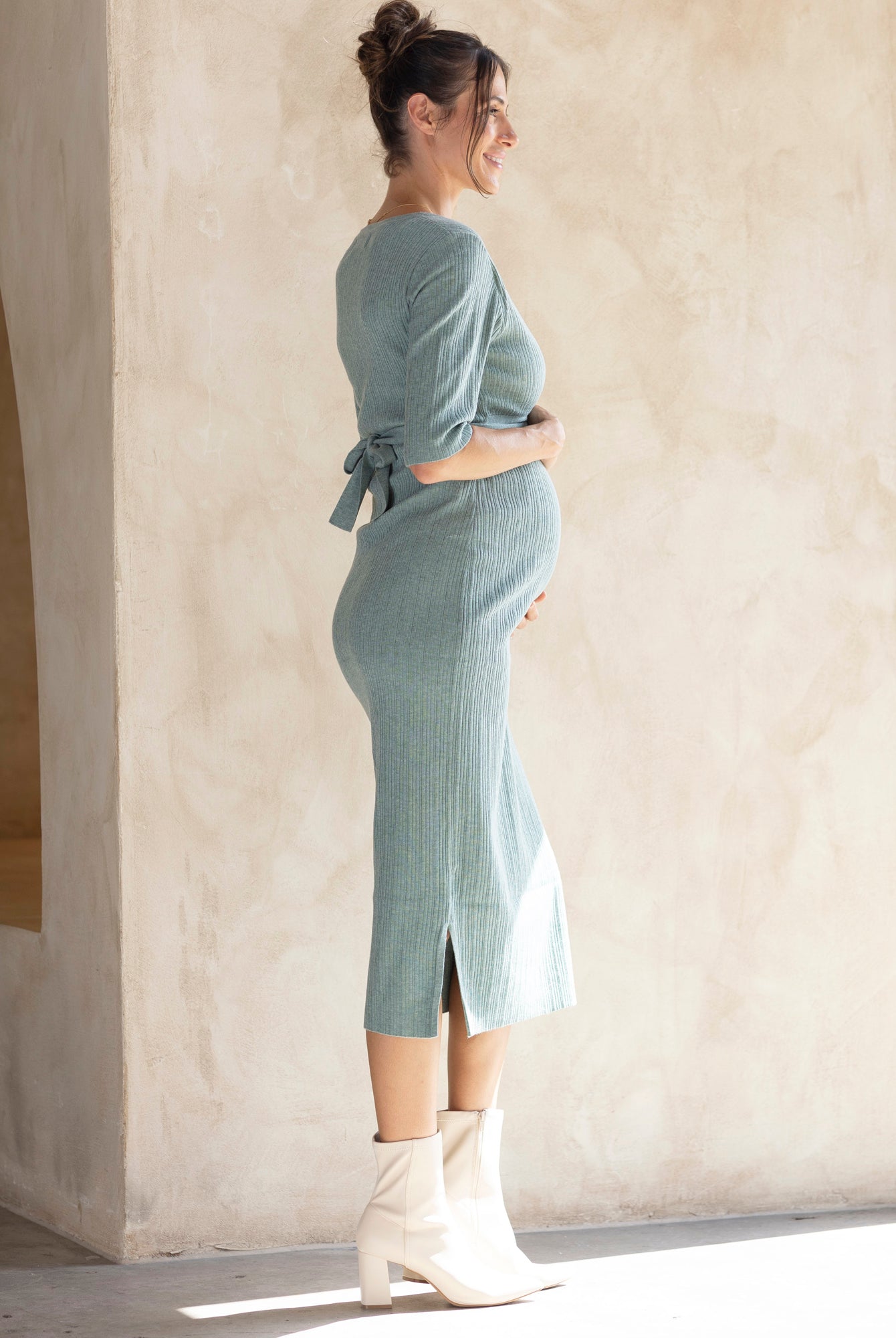
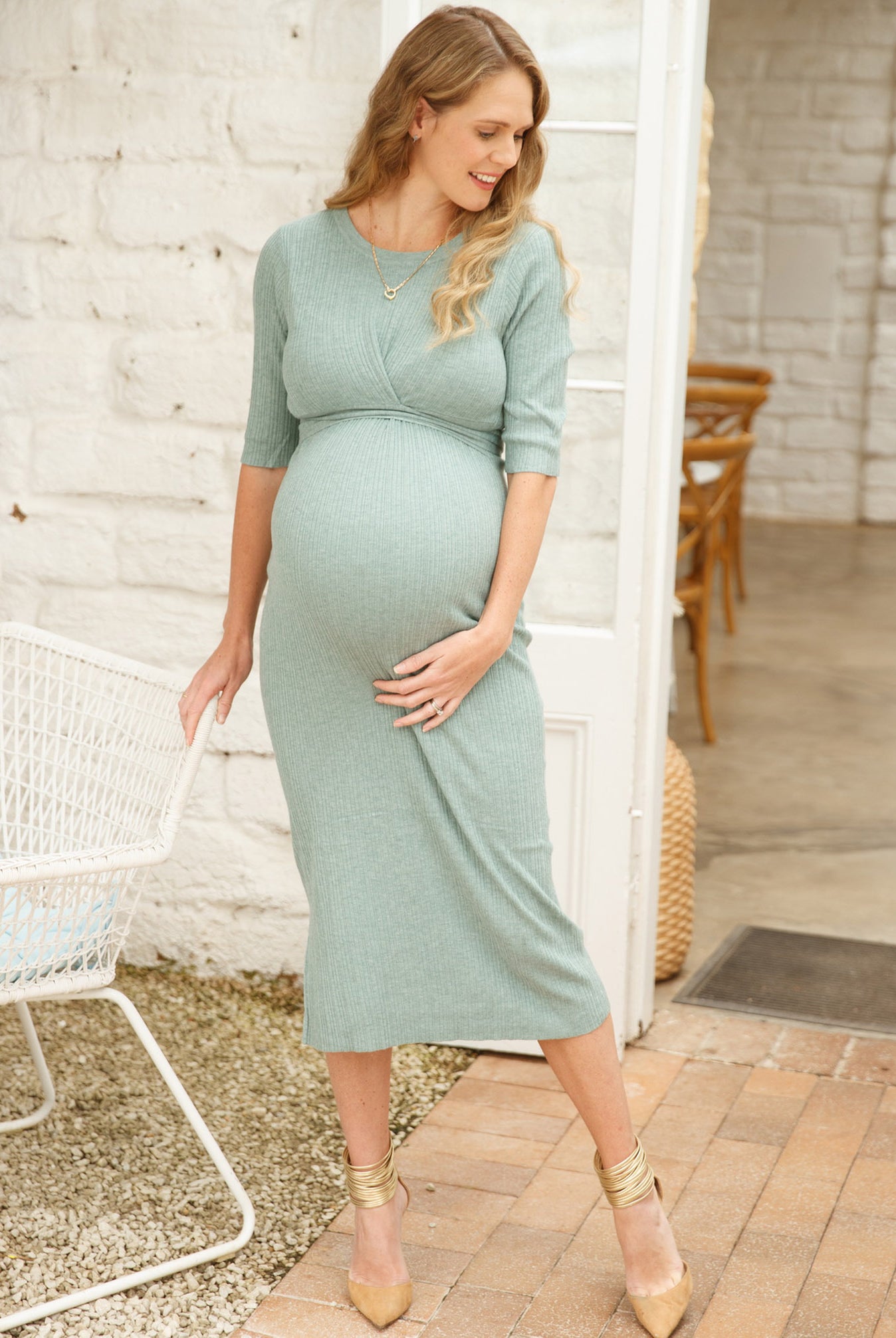


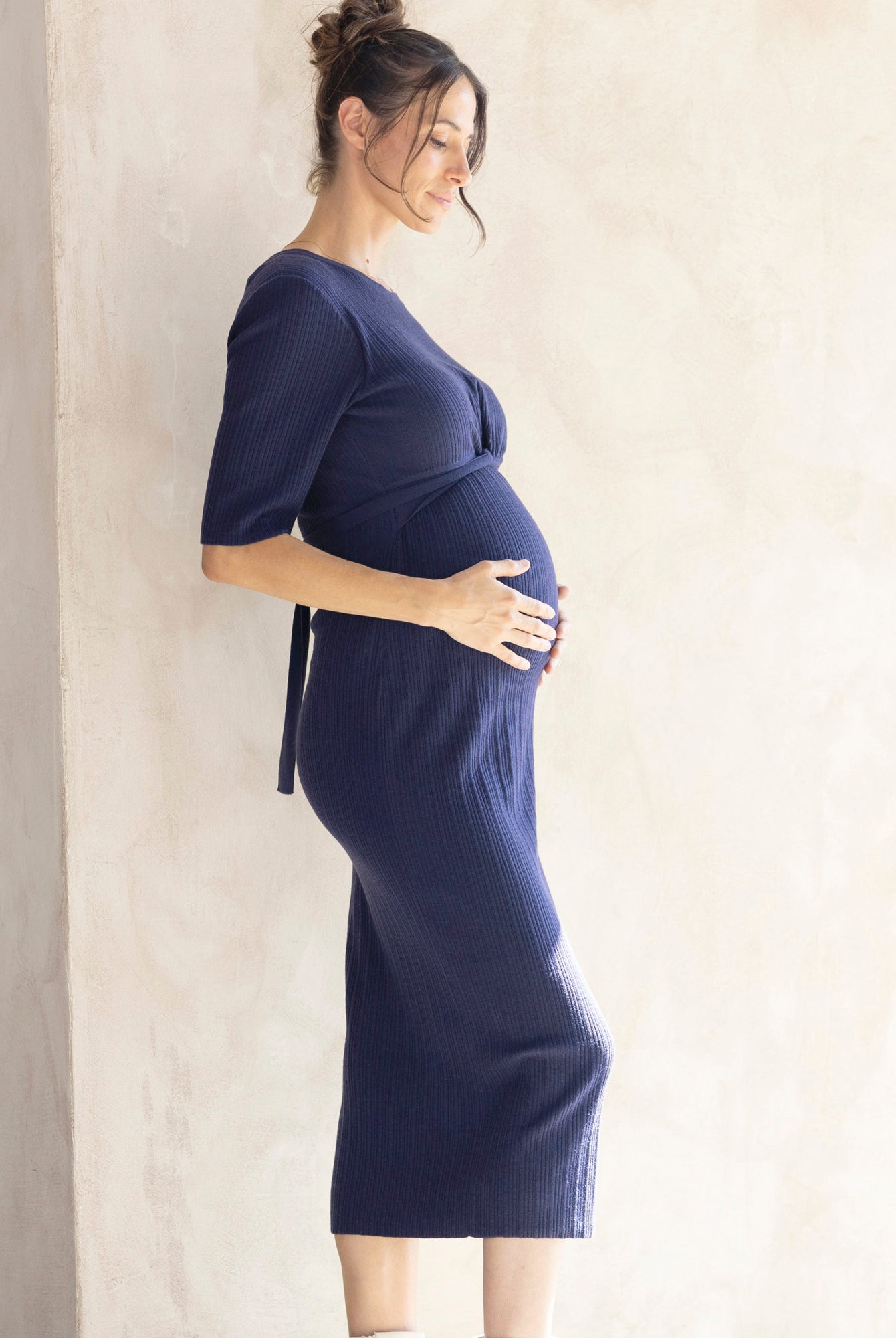


Maternity Knit and Sweater Dresses for Cold Weather
Knit is the fabric that solves the hardest part of dressing a bump: it stretches where it needs to and holds its shape everywhere else, so one dress works from 20 weeks to 40 without ever looking like it is straining. This collection is 54 maternity knit and sweater dresses, tops, skirts and lounge pants in sizes XS through 3XL.
The range covers midi and tank knit dresses, long sleeve sweater dresses, oversized nursing sweaters, bolero and side split tops, wide rib midi skirts and matching lounge pants. Colors run warm and neutral: camel, chocolate truffle, dark brown, vanilla cream, beige, cobalt, burgundy, dark teal, viridian and black.
Which Knit Dress for Which Occasion?
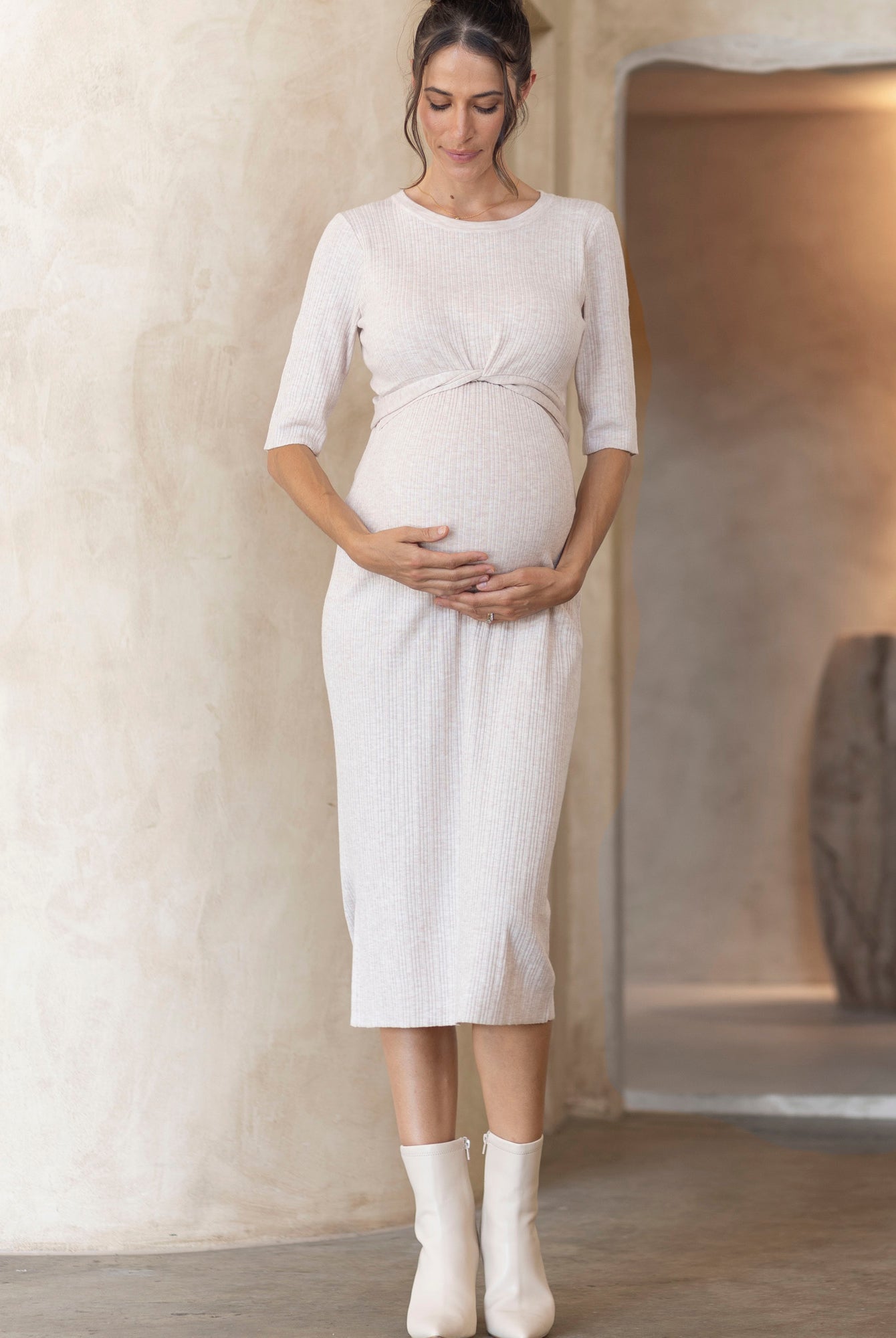
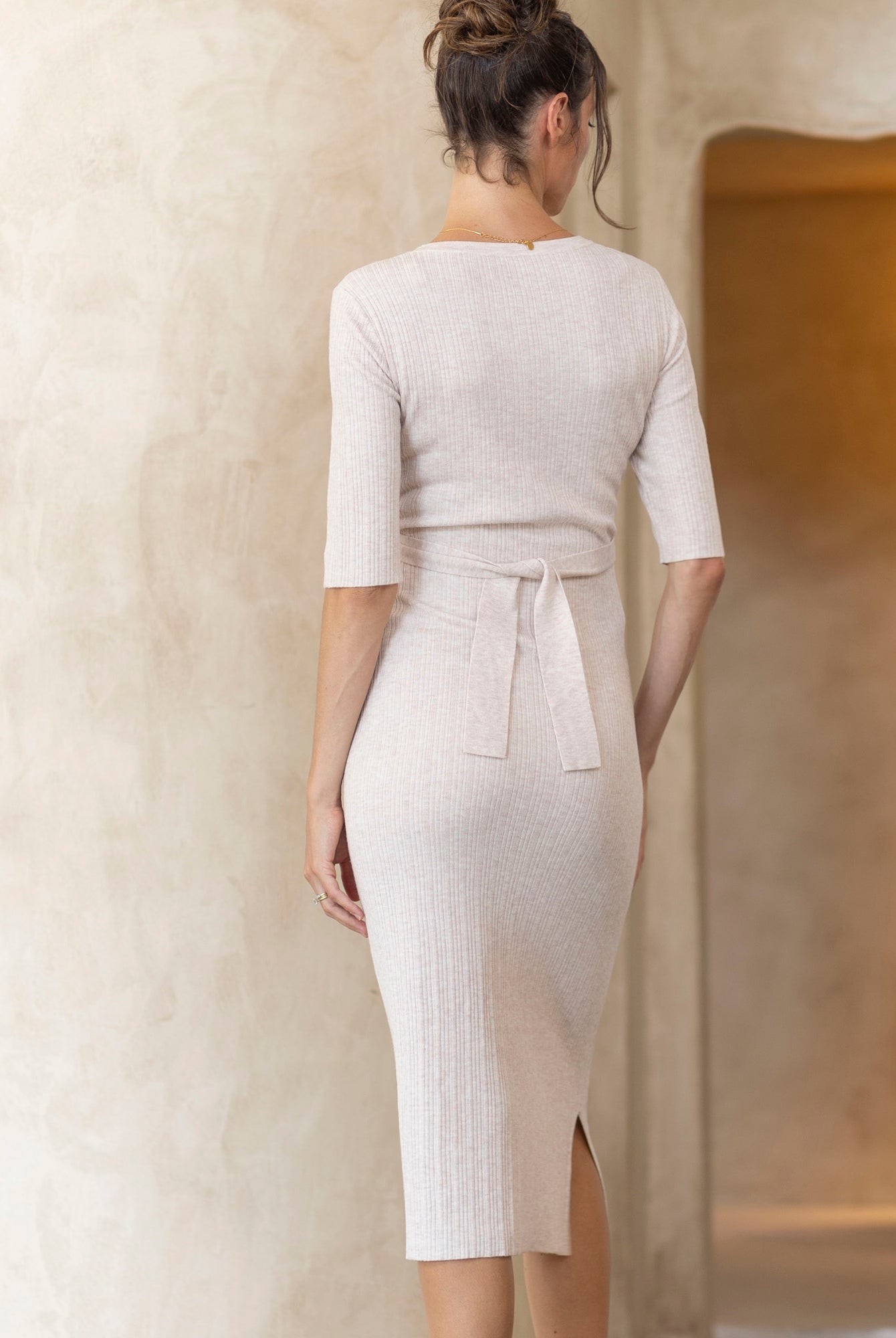
- Office and smart everyday: the Elegance knit midi in camel or viridian and the Annabella midi in navy. Fine gauge knits read as tailored and go under a blazer without bulk.
- Weekend and casual: the Clara long sleeve knitted midi and the Lucille in burgundy or dark teal. Warm enough for a cold day, soft enough to sit in for hours.
- Sleeveless layering: the Annabella knit tank dress in cobalt or beige. Wear it alone in a heated office or over a long sleeve tee in winter.
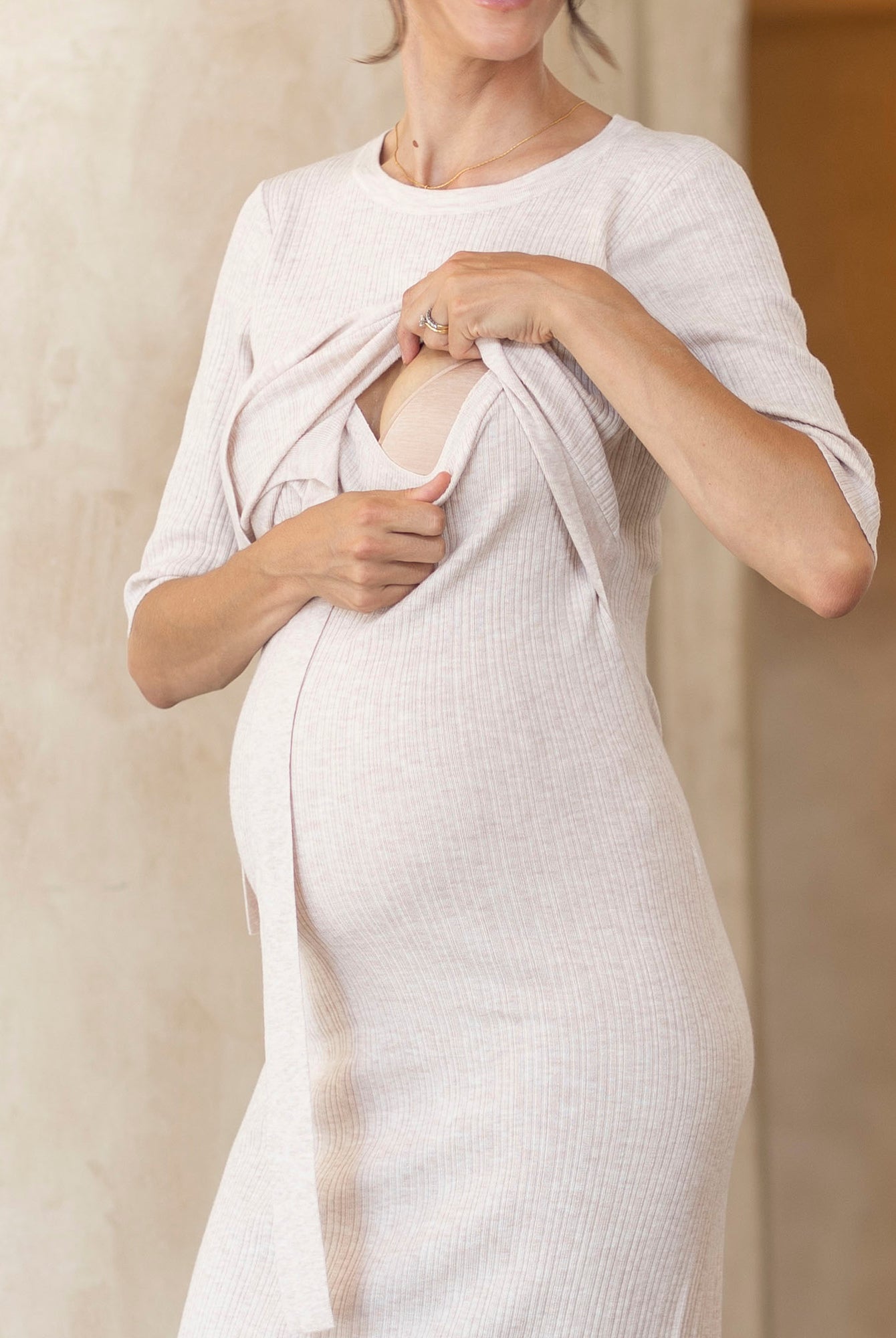
- Nursing: the Arial oversized luxury knit nursing jumper in cream. Feeding access built in and cut generously enough to work through pregnancy and after.
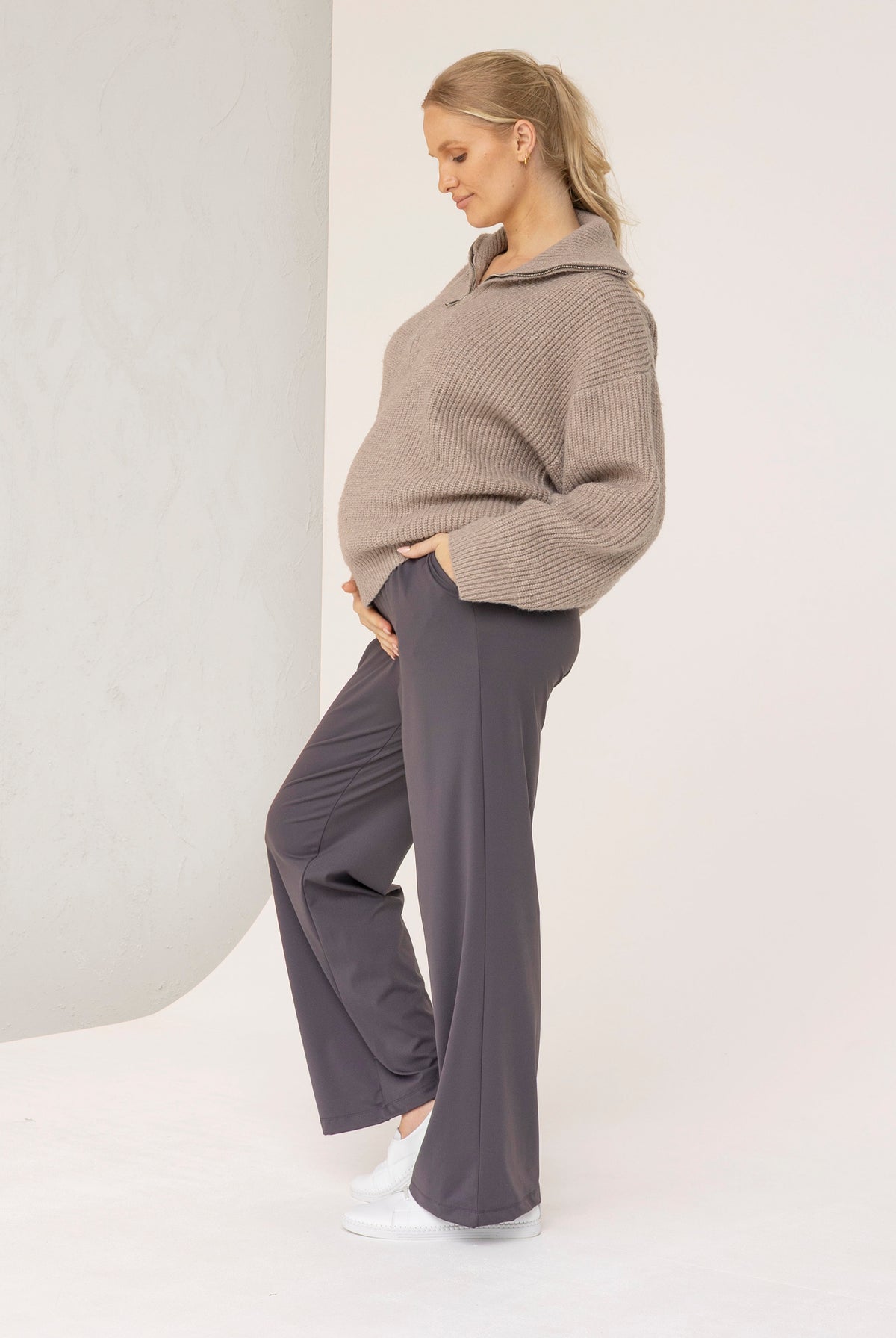
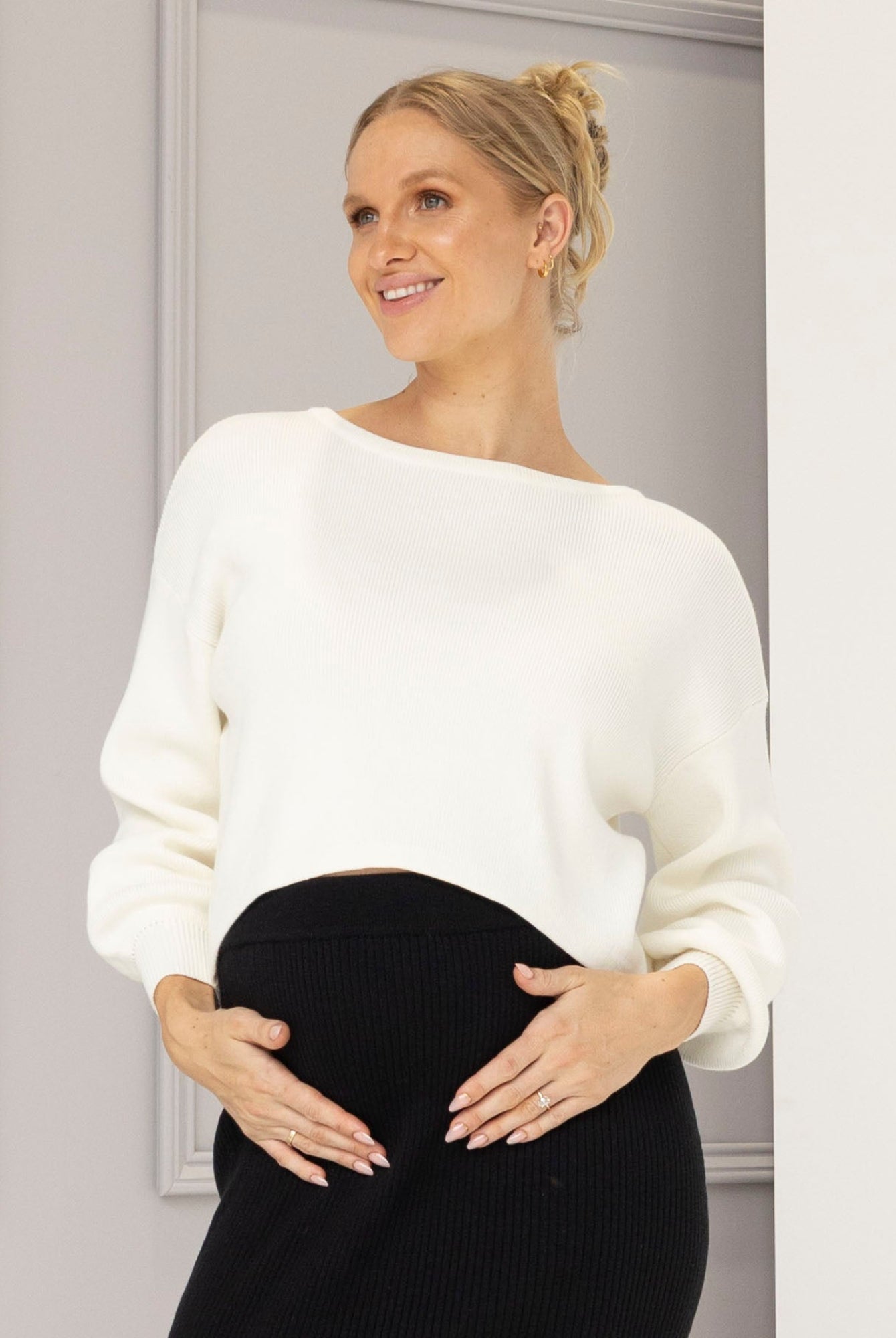
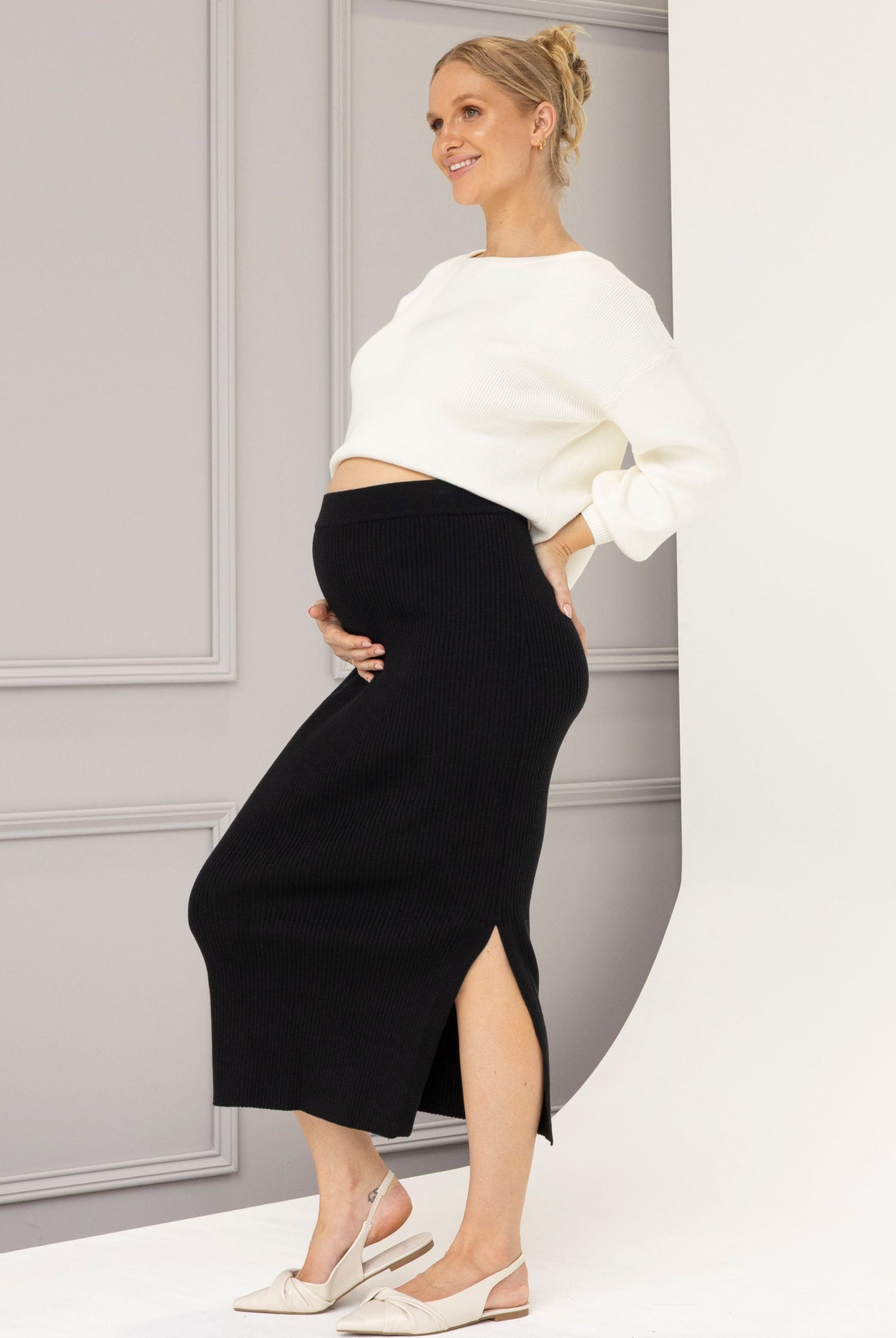
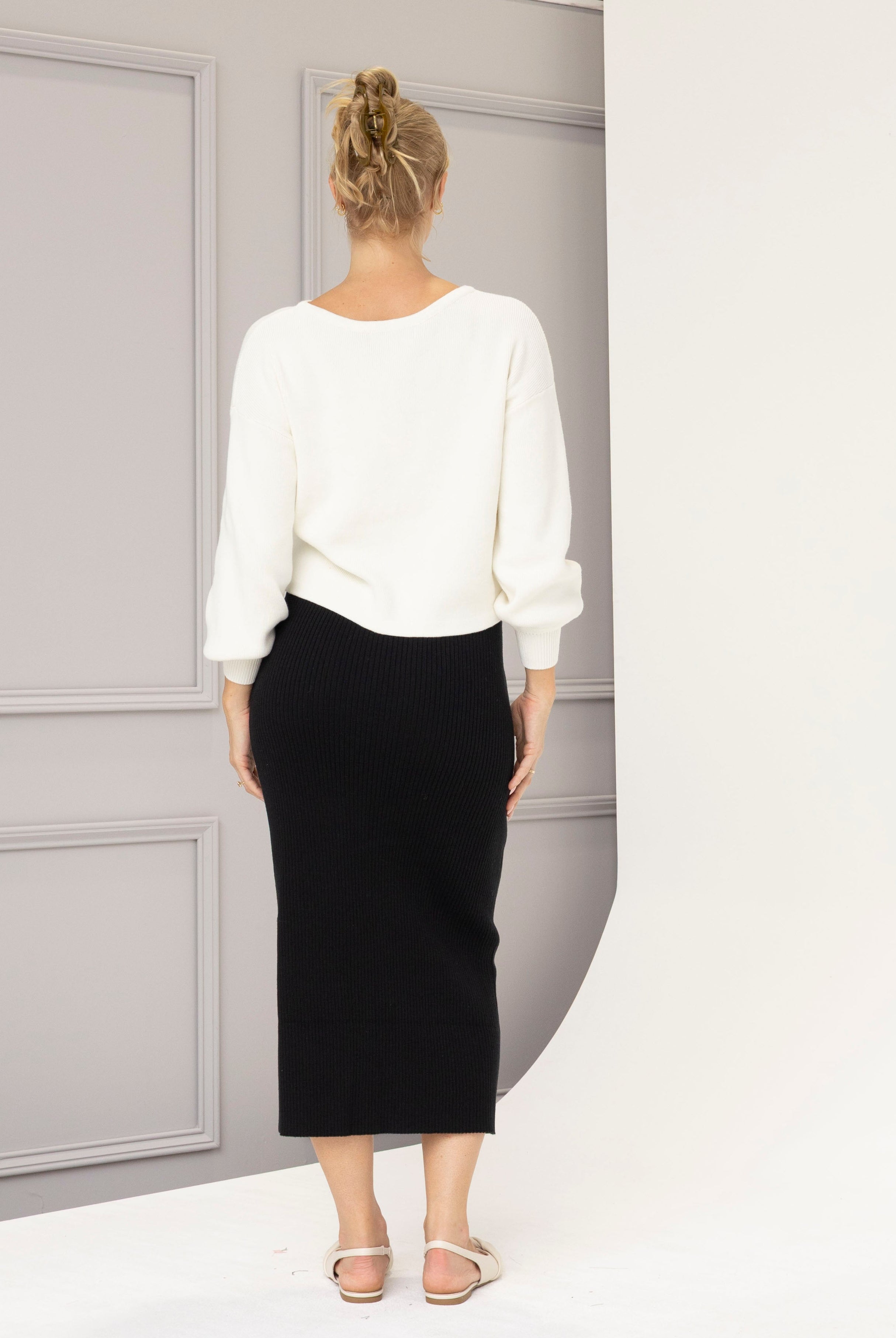
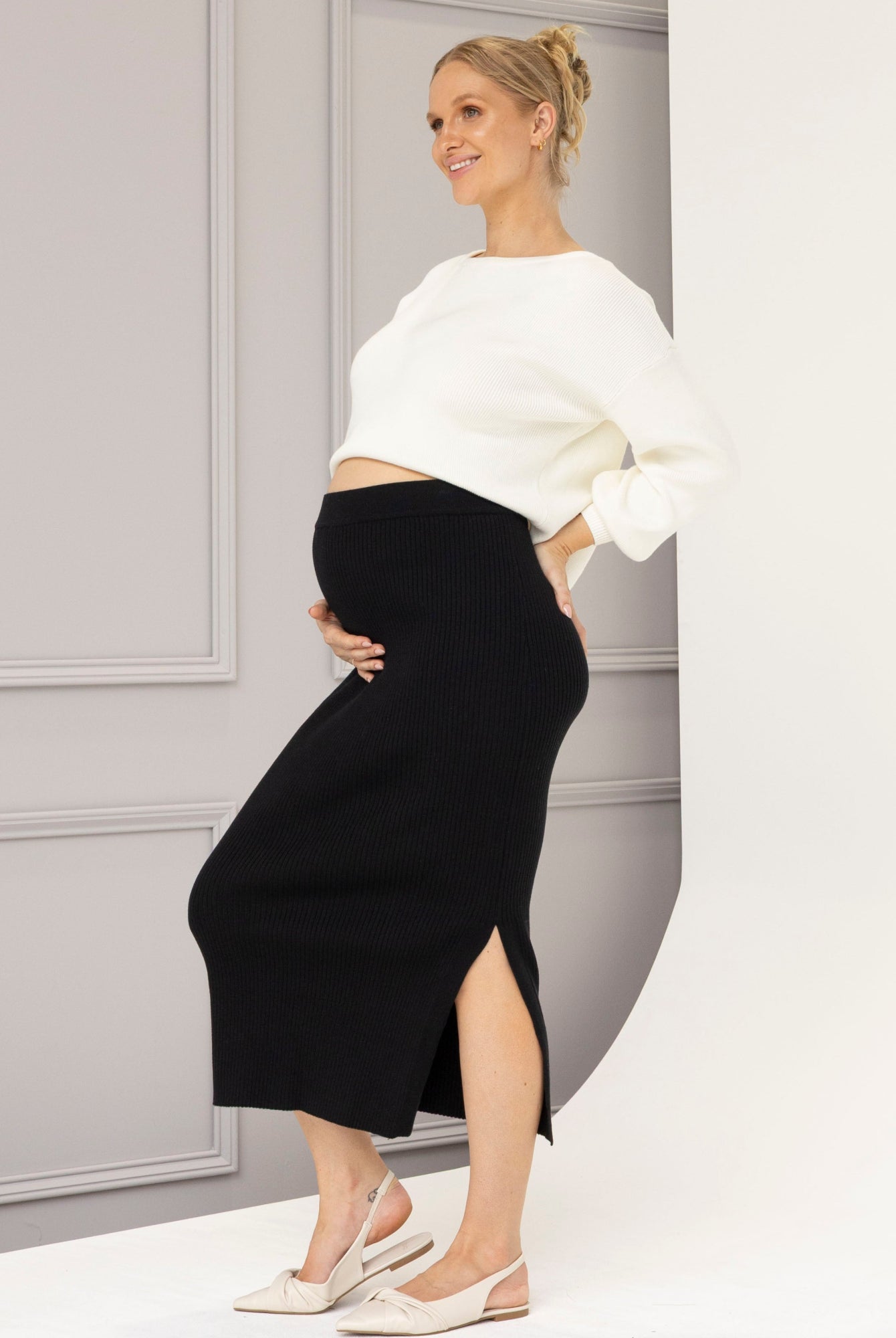
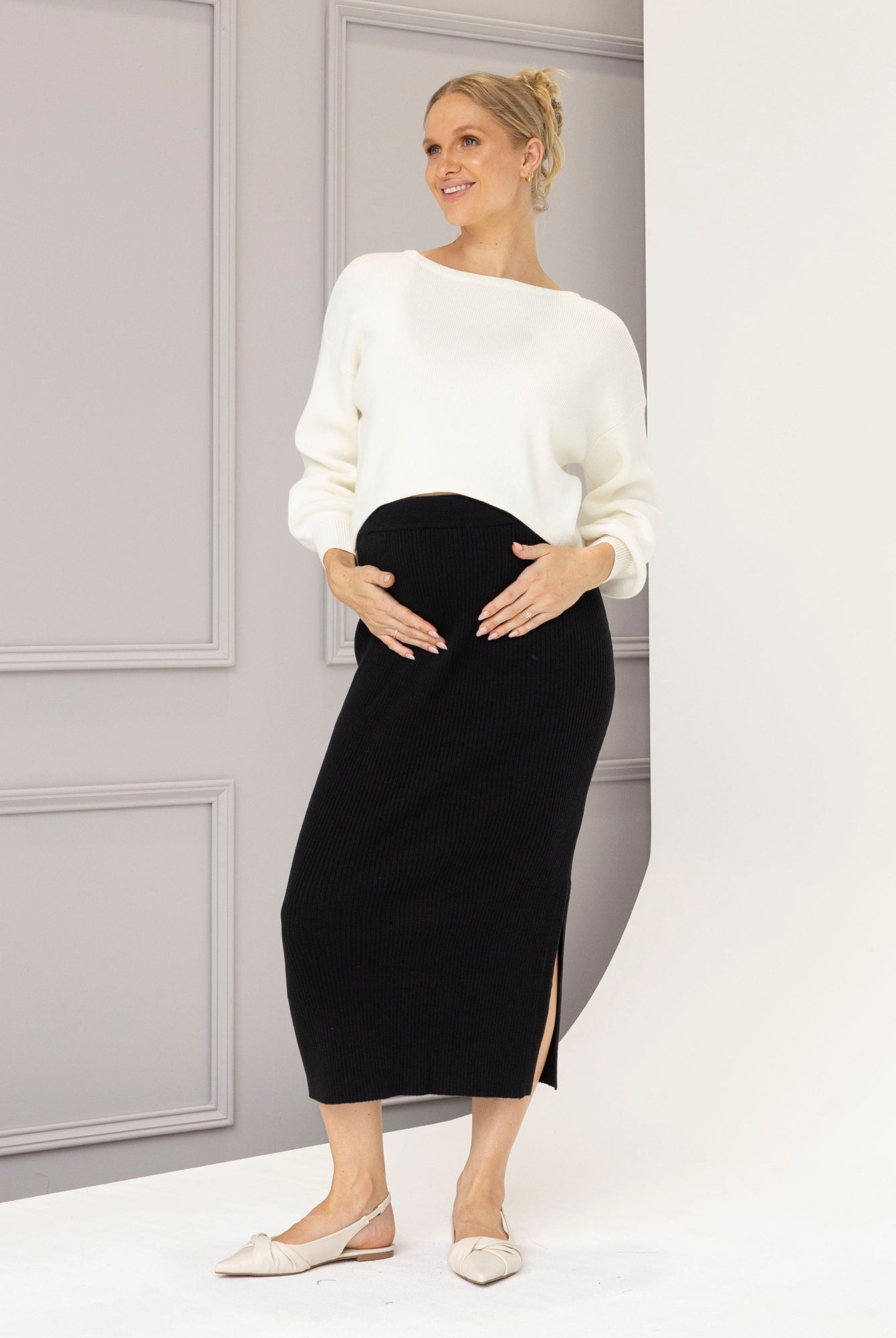
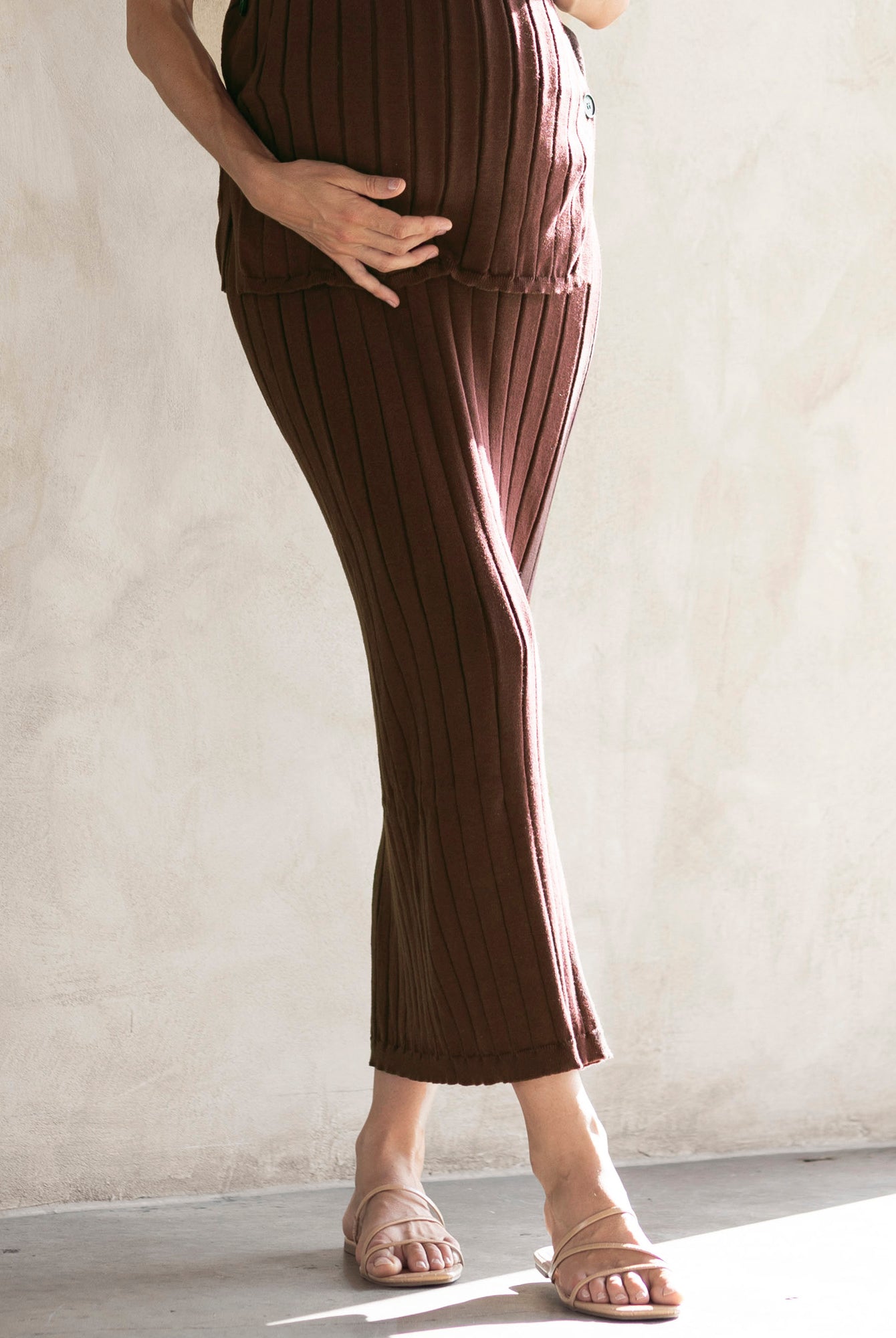
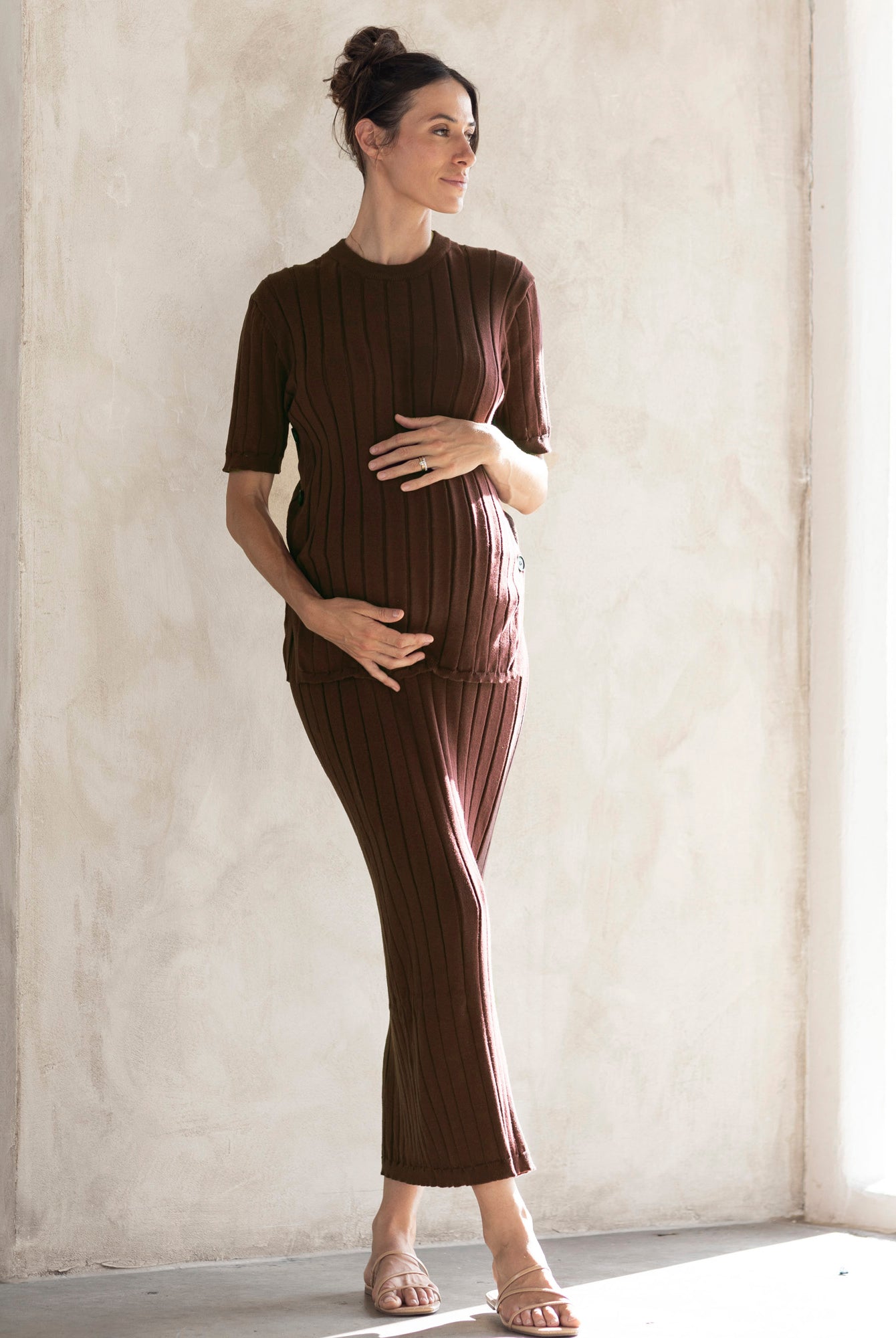
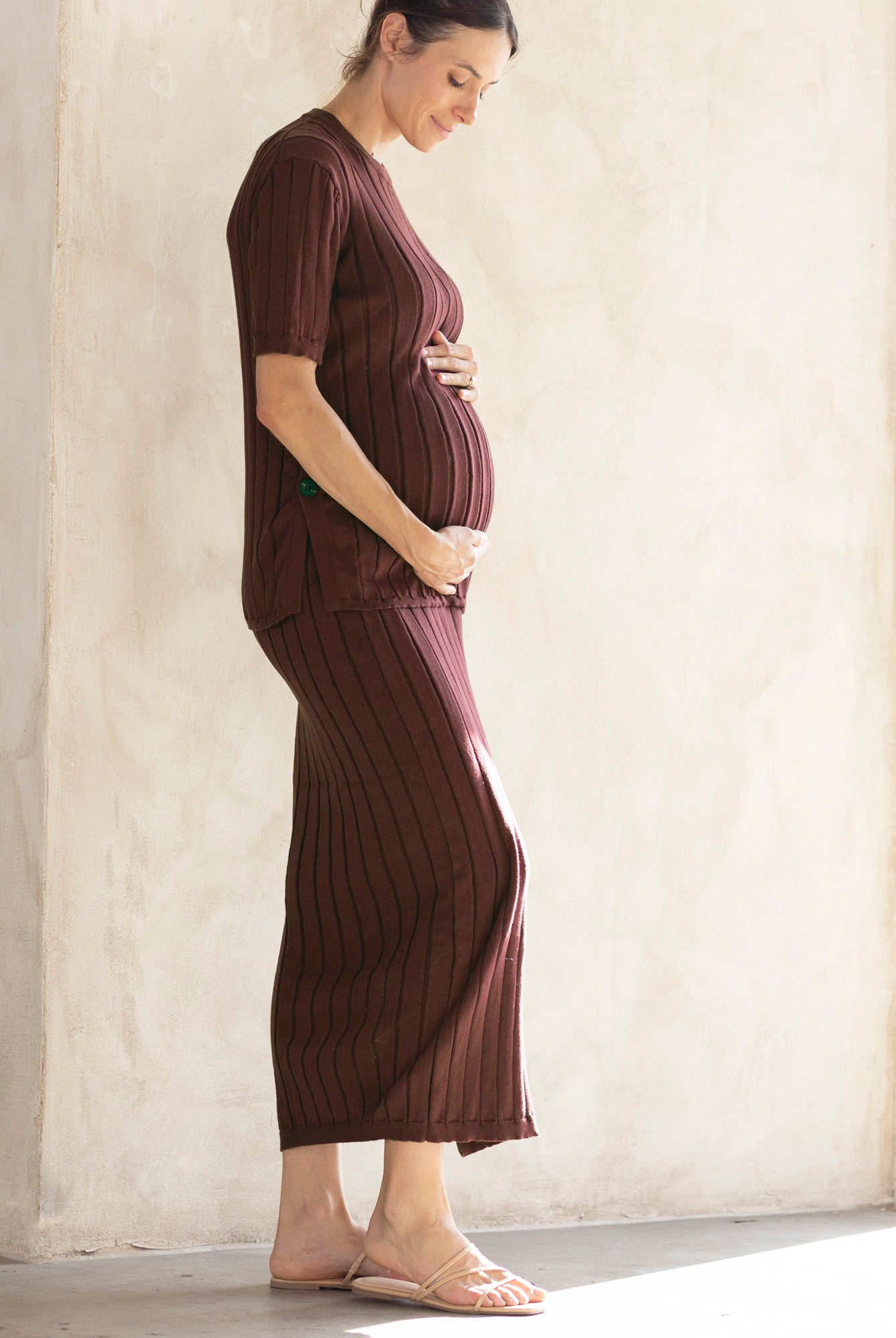
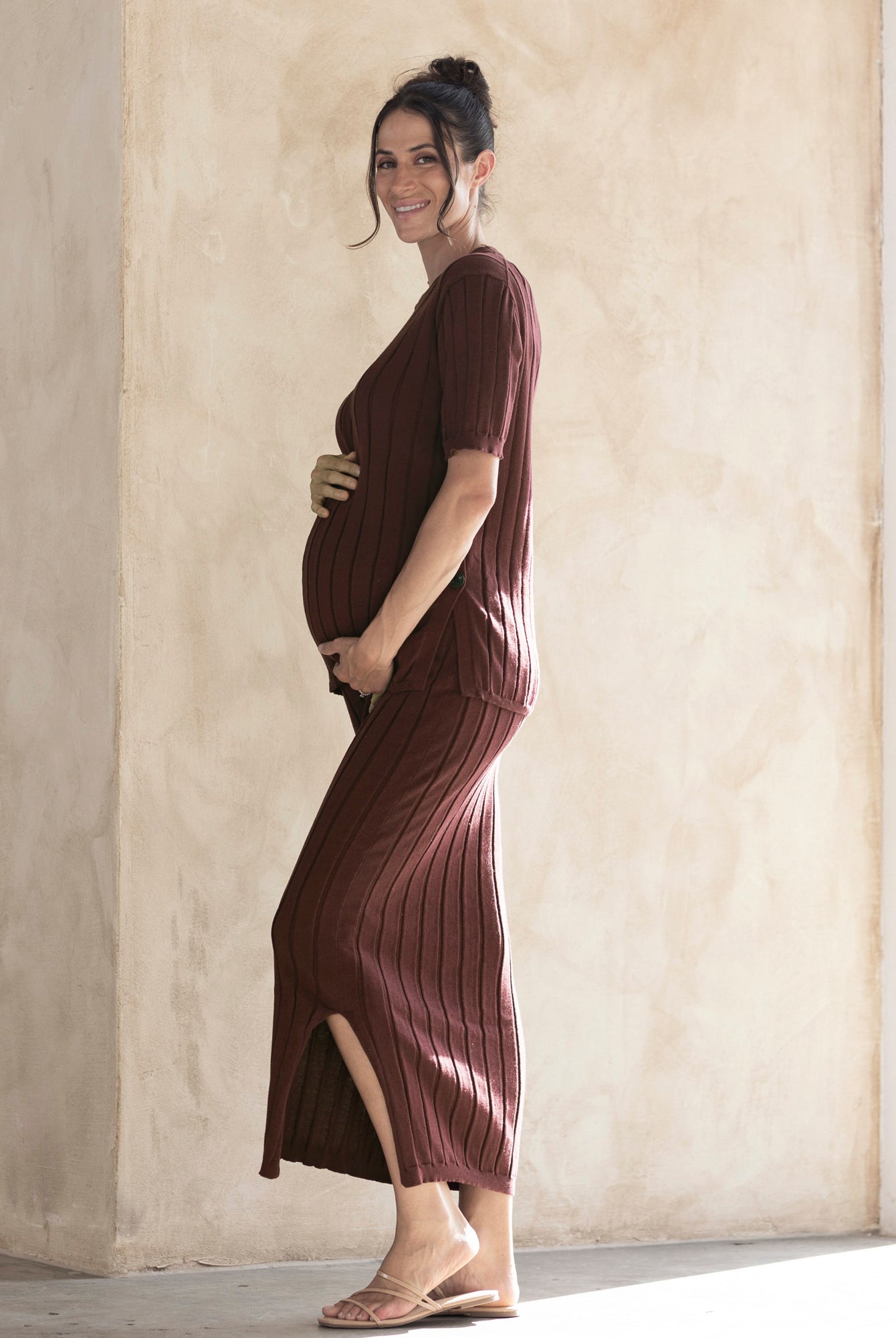
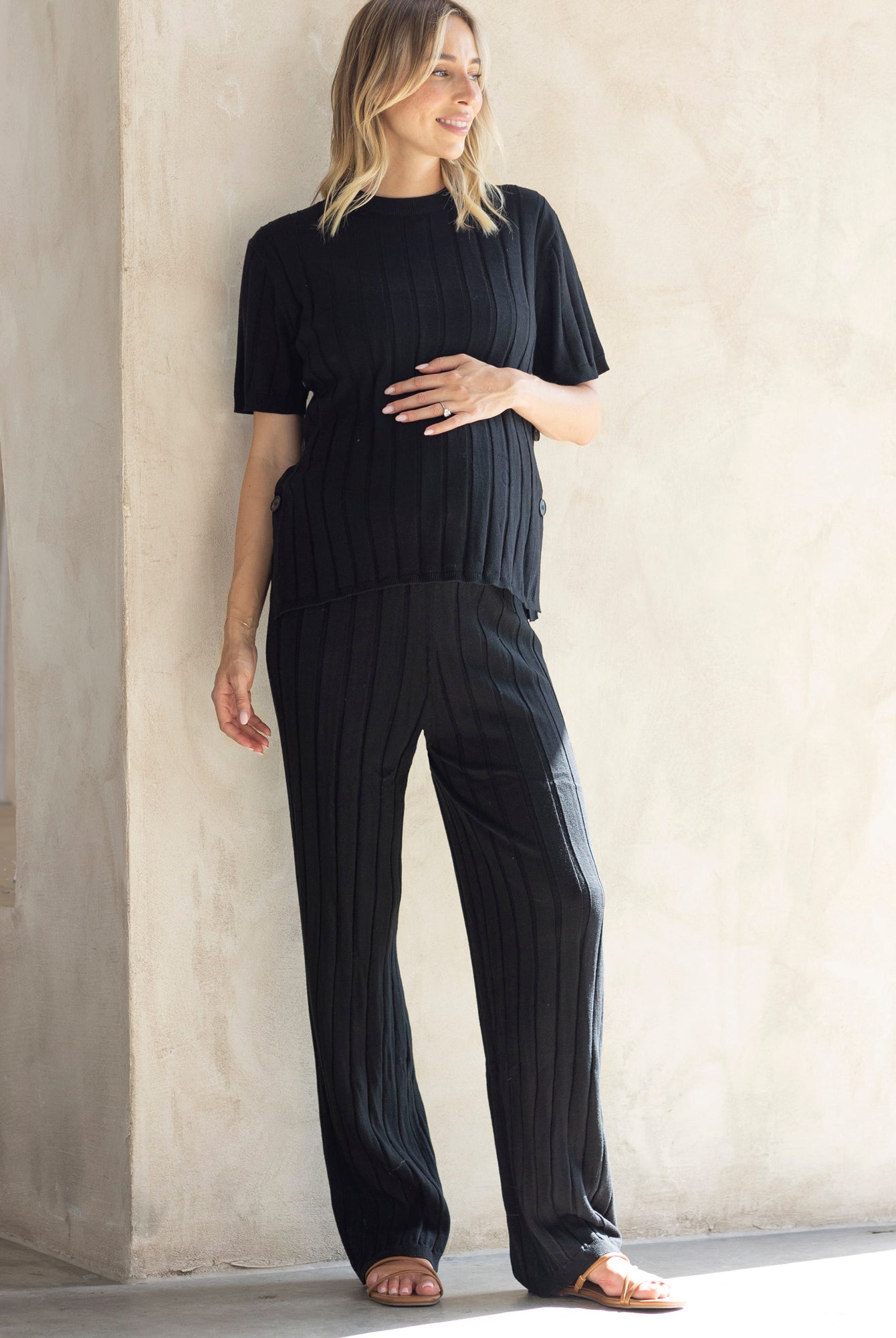
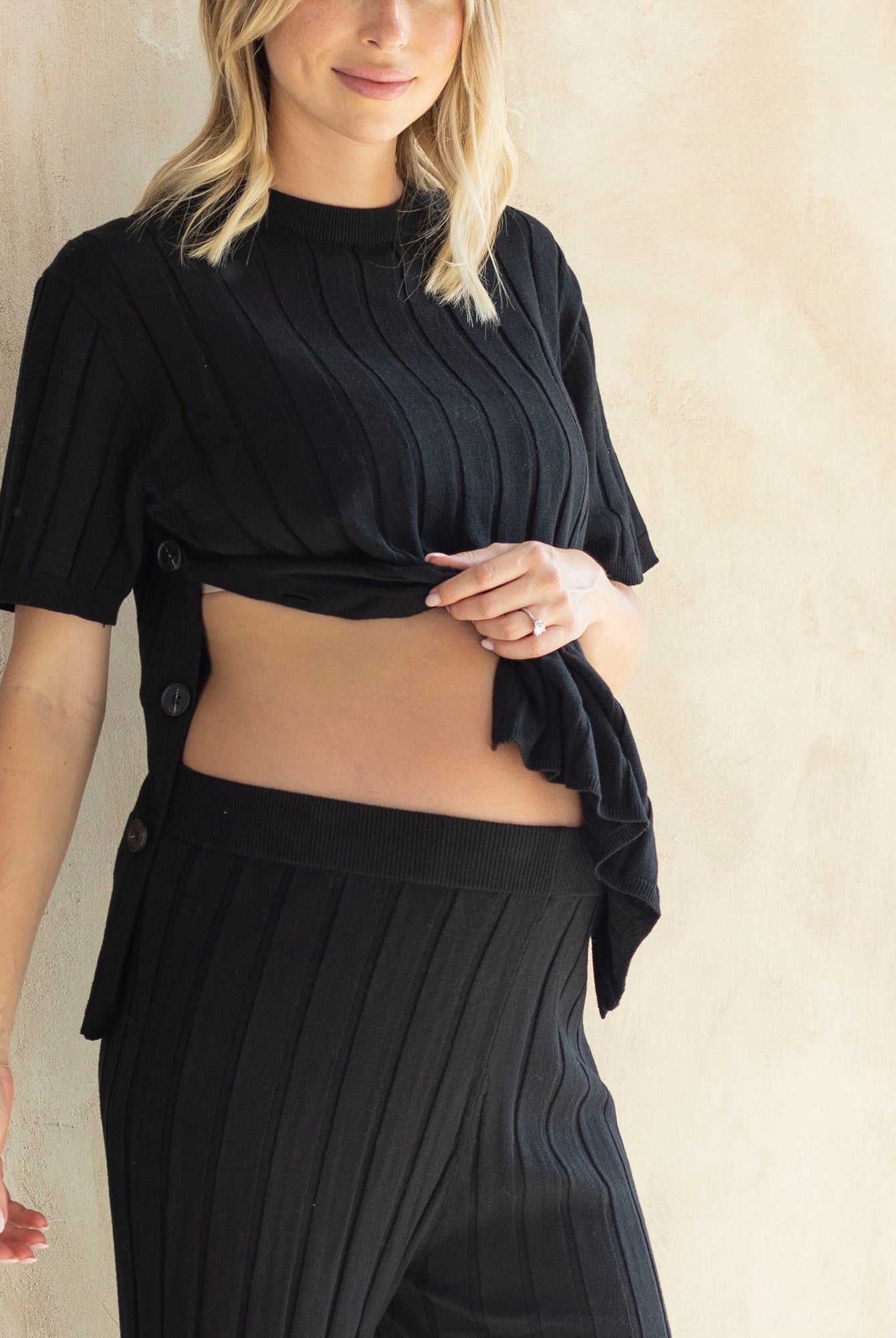
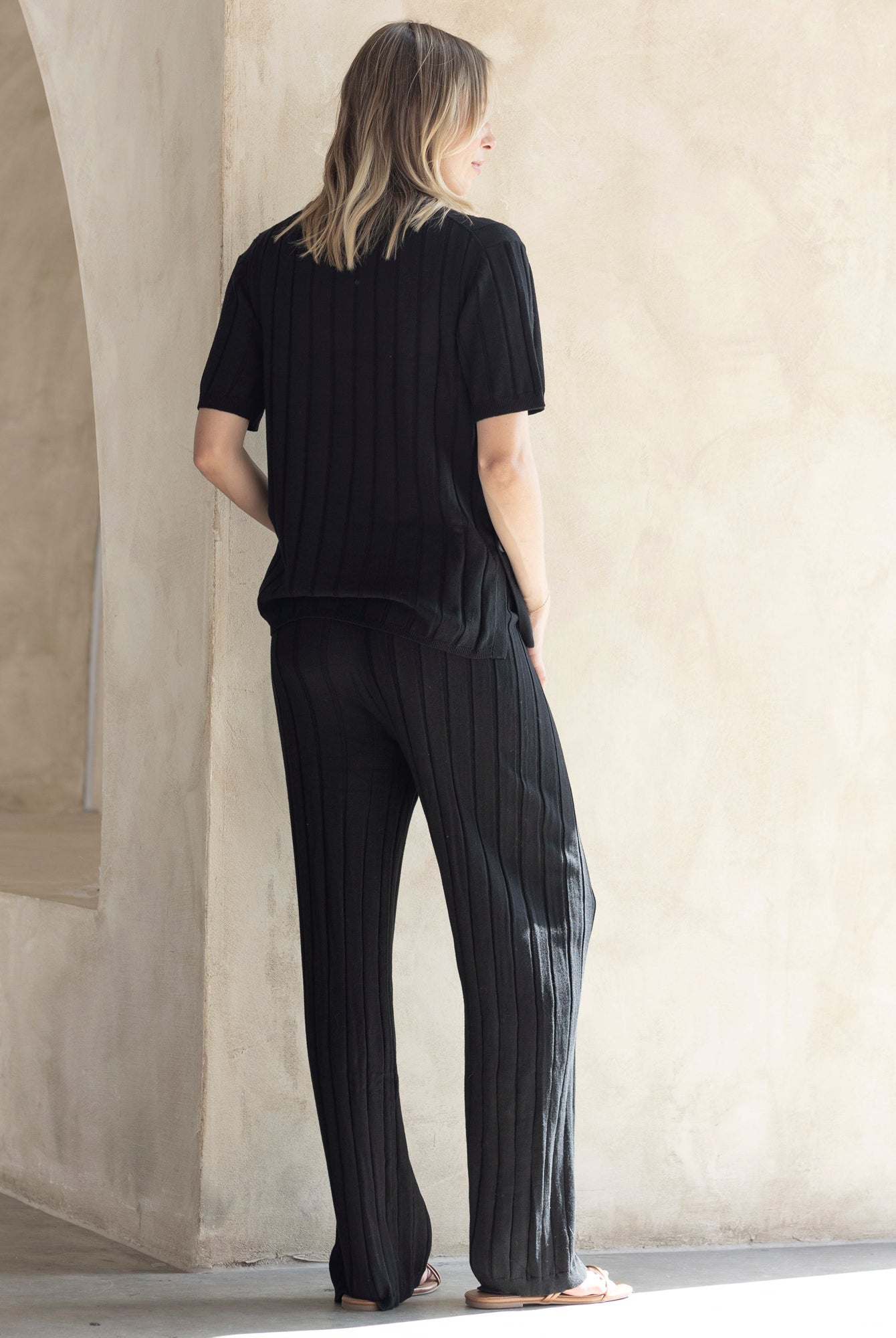
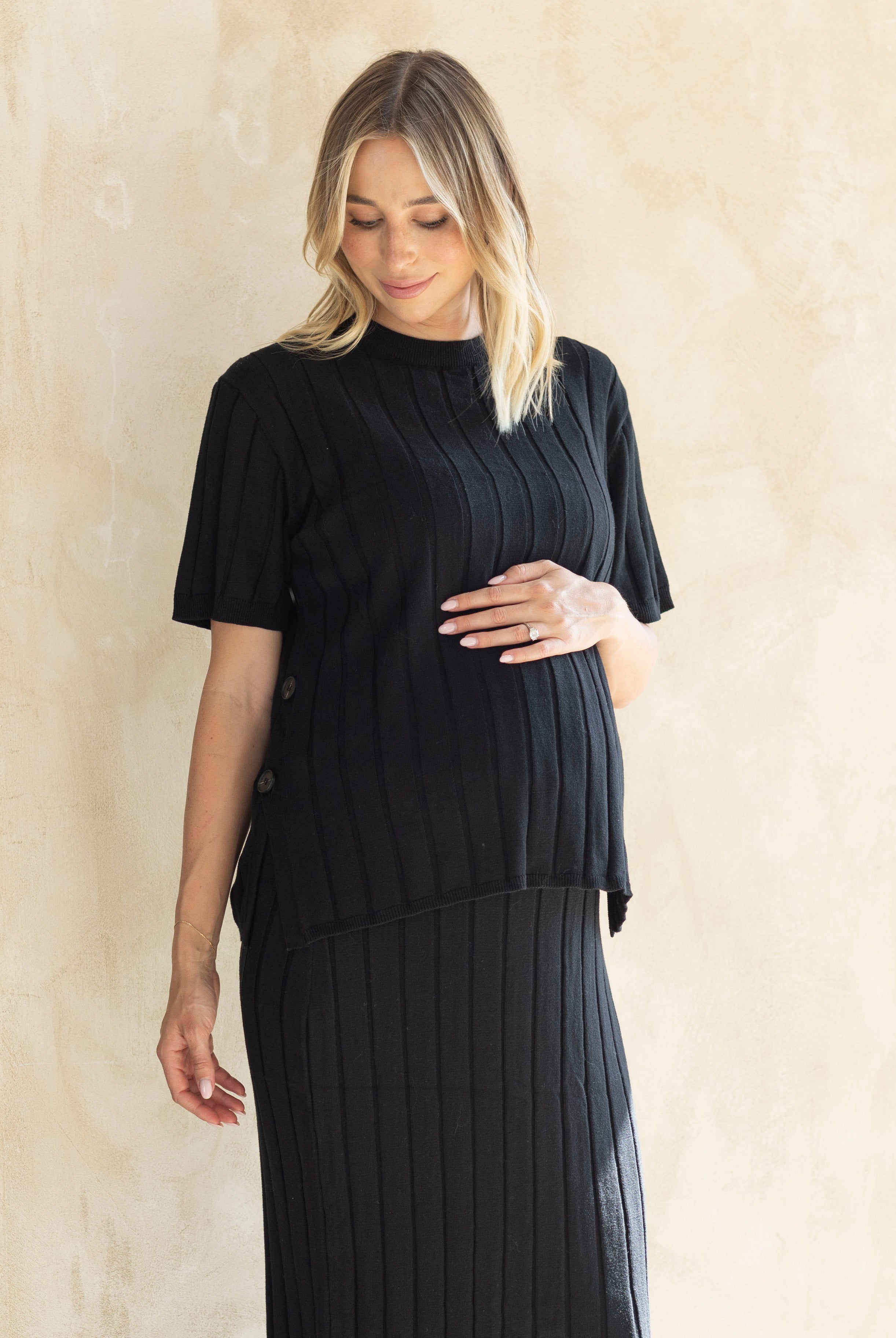
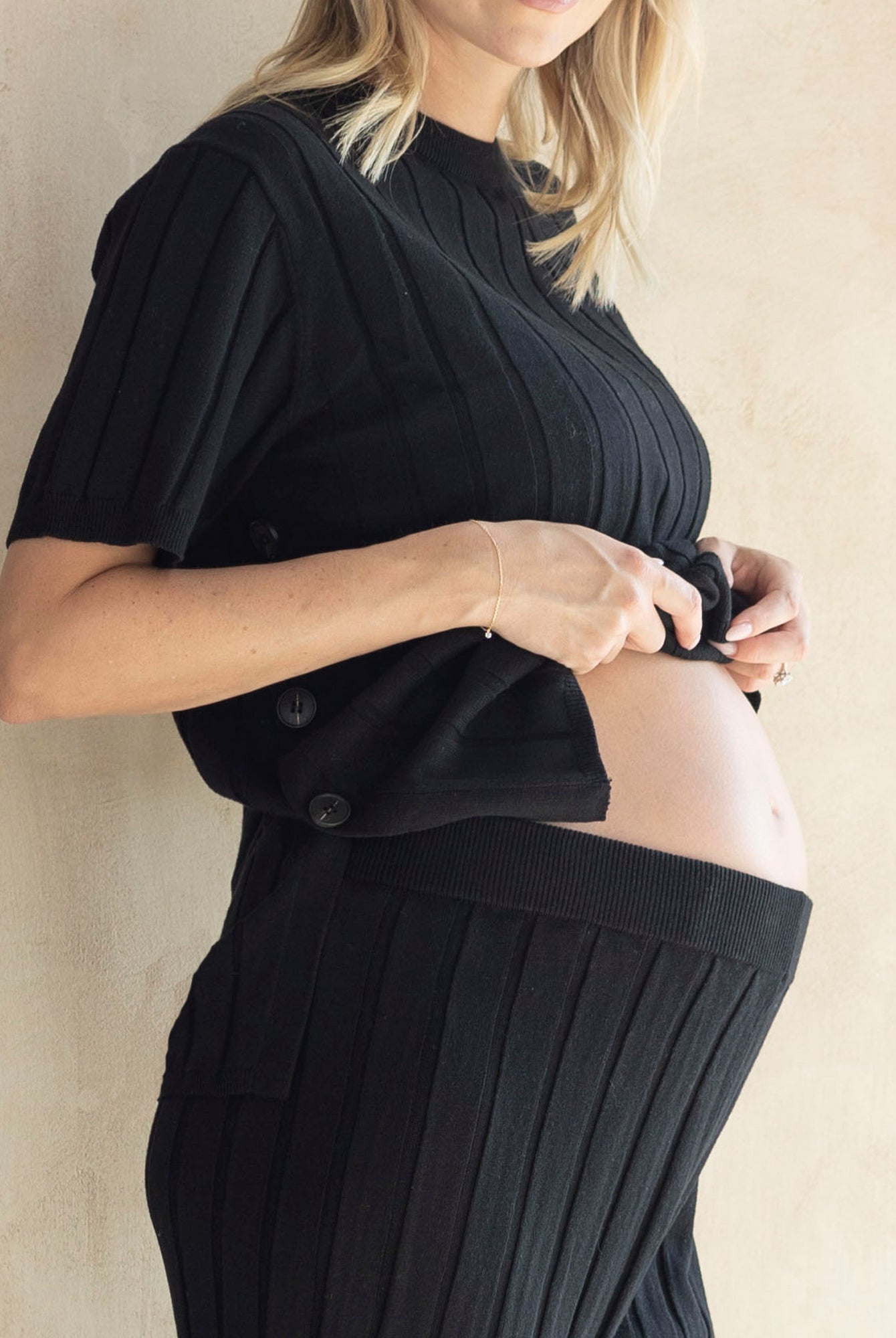
- Knit separates: the Zélie wide rib midi skirt in chocolate or black with a matching Sherry lounge pant or an Alexis side split top, for a knit set rather than a dress.
Why Knit Works Better Than Woven in Pregnancy
A woven dress is cut to one set of measurements, and the bump changes those measurements every fortnight. Knit has mechanical stretch and recovery built into the structure of the fabric, so it grows with you and springs back rather than bagging out at the belly. That is why a knit dress bought at 22 weeks usually still looks right at 38, and a woven one often does not.
The second advantage is drape. Knit falls close to the body without clinging, so it shows the bump as a shape rather than a bulge, which is what most people actually want from a maternity dress. Rib and wide rib knits do this best because the vertical line of the rib is lengthening.
Sizing and Care
Order your usual pre-pregnancy size. These are cut with the bump allowed for and the knit does the rest, so sizing up mostly drops the shoulder and lengthens the sleeve. Sizes here run XS to 3XL with a measurement chart on each product page.
For care, wash knits cool and dry flat rather than hanging, since the weight of a wet knit is what stretches shoulders and hems out of shape. Treated properly these are the longest-lasting pieces in a maternity wardrobe, and most carry straight into postpartum. Free shipping applies on orders over $100.
Shop Knitwear and Related Collections
- Maternity knit tops including bolero and side split styles.
- Maternity knit skirts in wide rib and side split.
- Maternity knit pants to complete a knit set.
- All maternity dresses across every fabric and occasion.
- Maternity work dresses for the office-specific edit.
- Maternity midi dresses in the most versatile length.
- Nursing dresses for feeding-friendly options.
- Winter maternity clothes for the full cold weather range.
Maternity Knit Dress FAQs
What size maternity knit dress should I order?
Your usual pre-pregnancy size. Knit stretches to accommodate the bump and recovers afterward, so sizing up mainly affects the shoulder and sleeve. Sizes run XS to 3XL, with measurements on every product page.
Will a knit dress cling to the bump?
A fine gauge knit skims rather than clings, and a wide rib is the most forgiving because the vertical rib lengthens the line. If you want minimal definition, size across to a midi in a heavier knit; if you want the bump shown, the fitted tank dresses do that deliberately.
Are these warm enough for winter?
The long sleeve knitted midis and the wool blend pieces are, worn with tights or maternity leggings underneath. The lighter cotton knits are three-season and better layered under a coat than worn alone in deep winter.
Can I wear a maternity knit dress after the baby?
Most people do, and knit is the category that survives best. The fabric recovers rather than staying stretched, and the oversized nursing knits have feeding access built in so they carry straight through.
How do I stop a knit dress losing its shape?
Wash cool and dry flat. Hanging a wet knit is the single most common way these lose shape at the shoulders and hem, and it happens faster with heavier wool blends than with cotton knits.