Sleepwear

Sleepwear
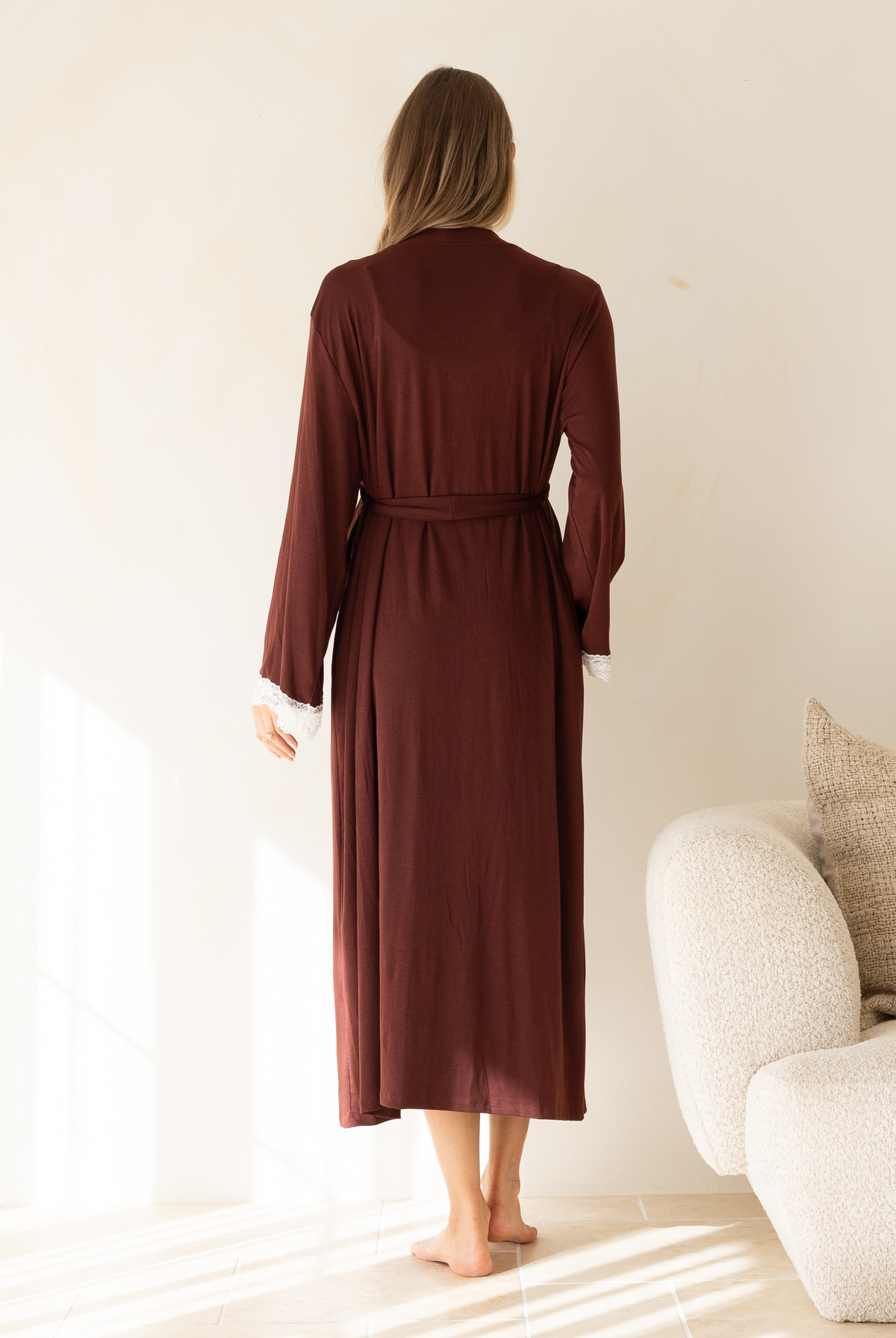
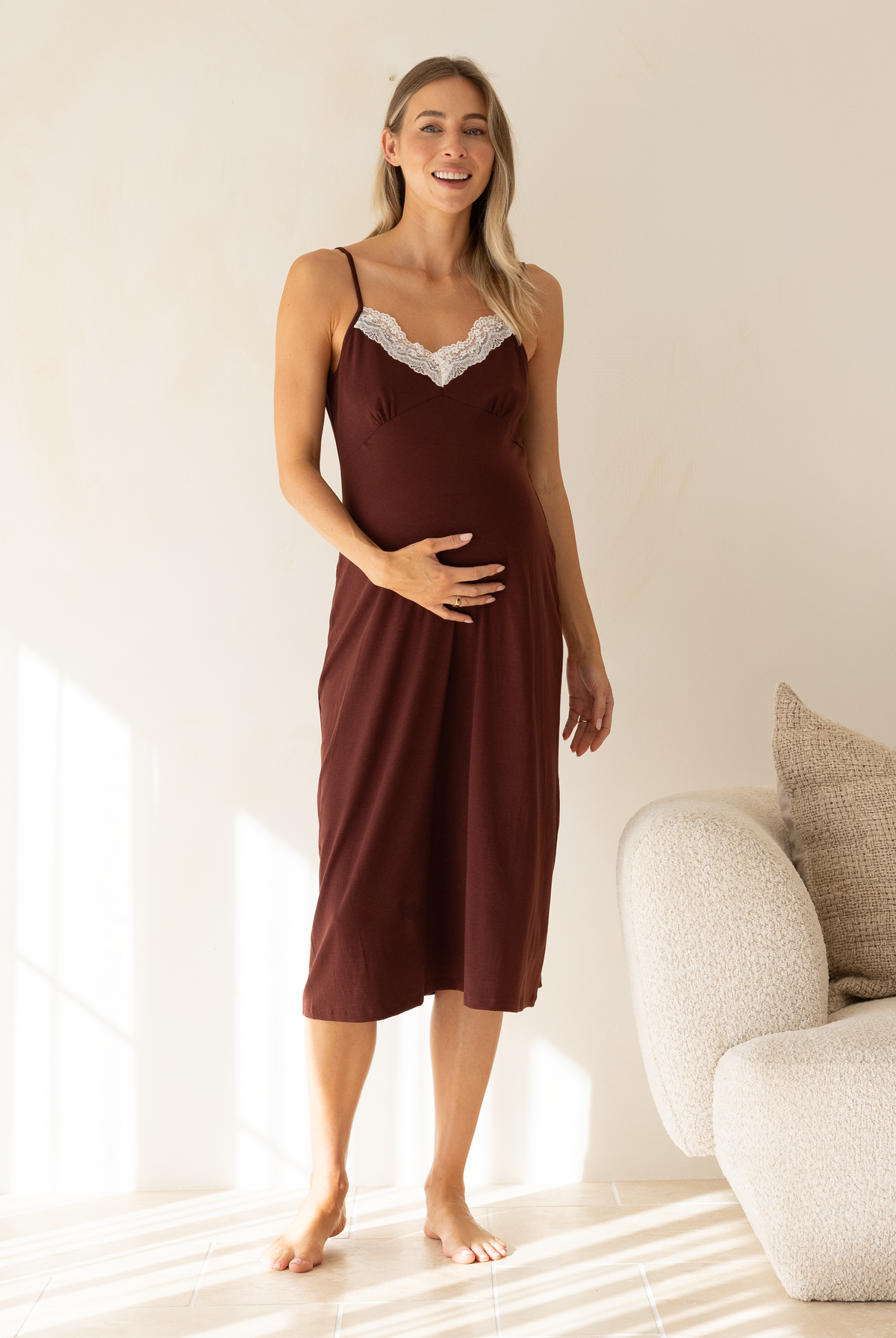
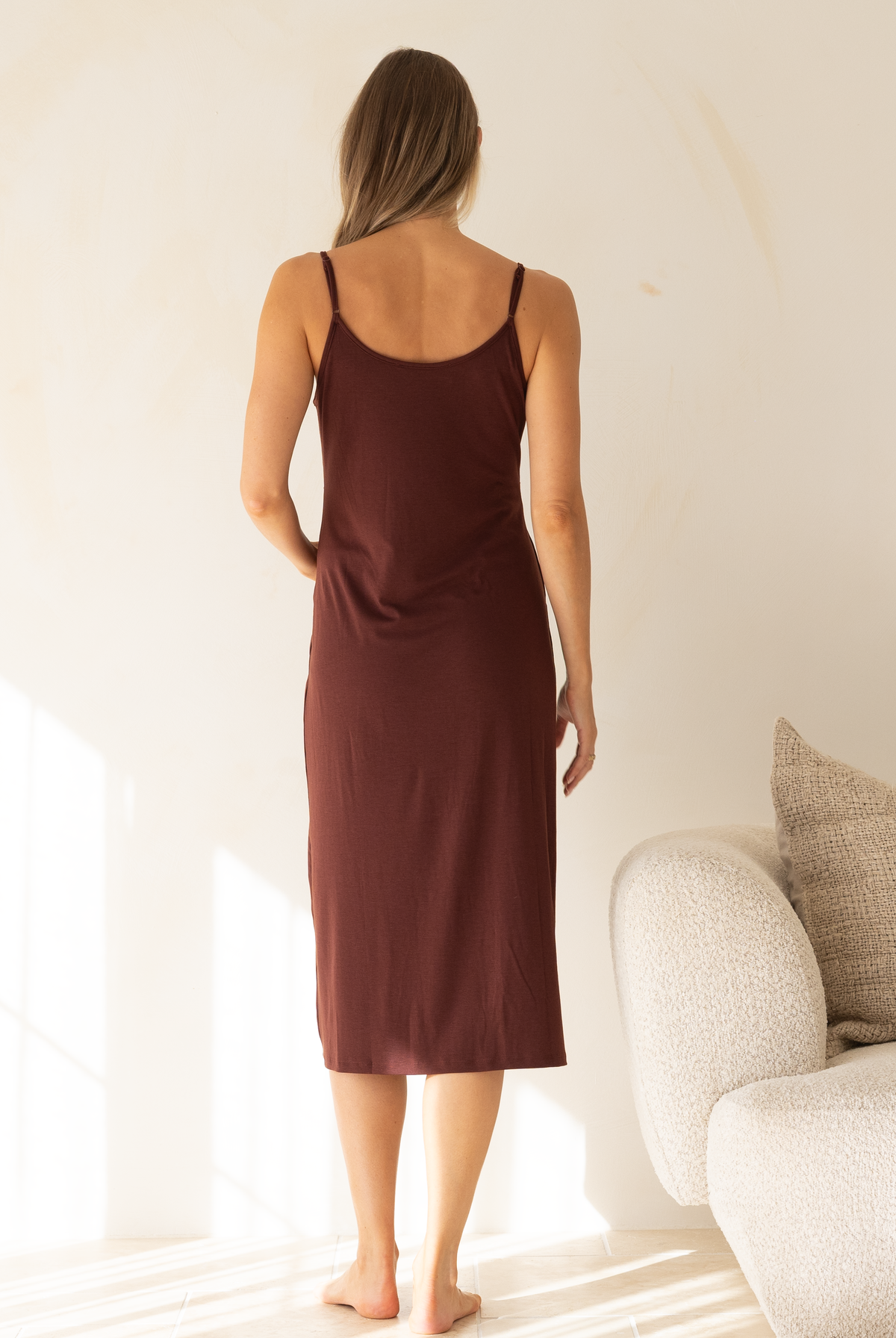
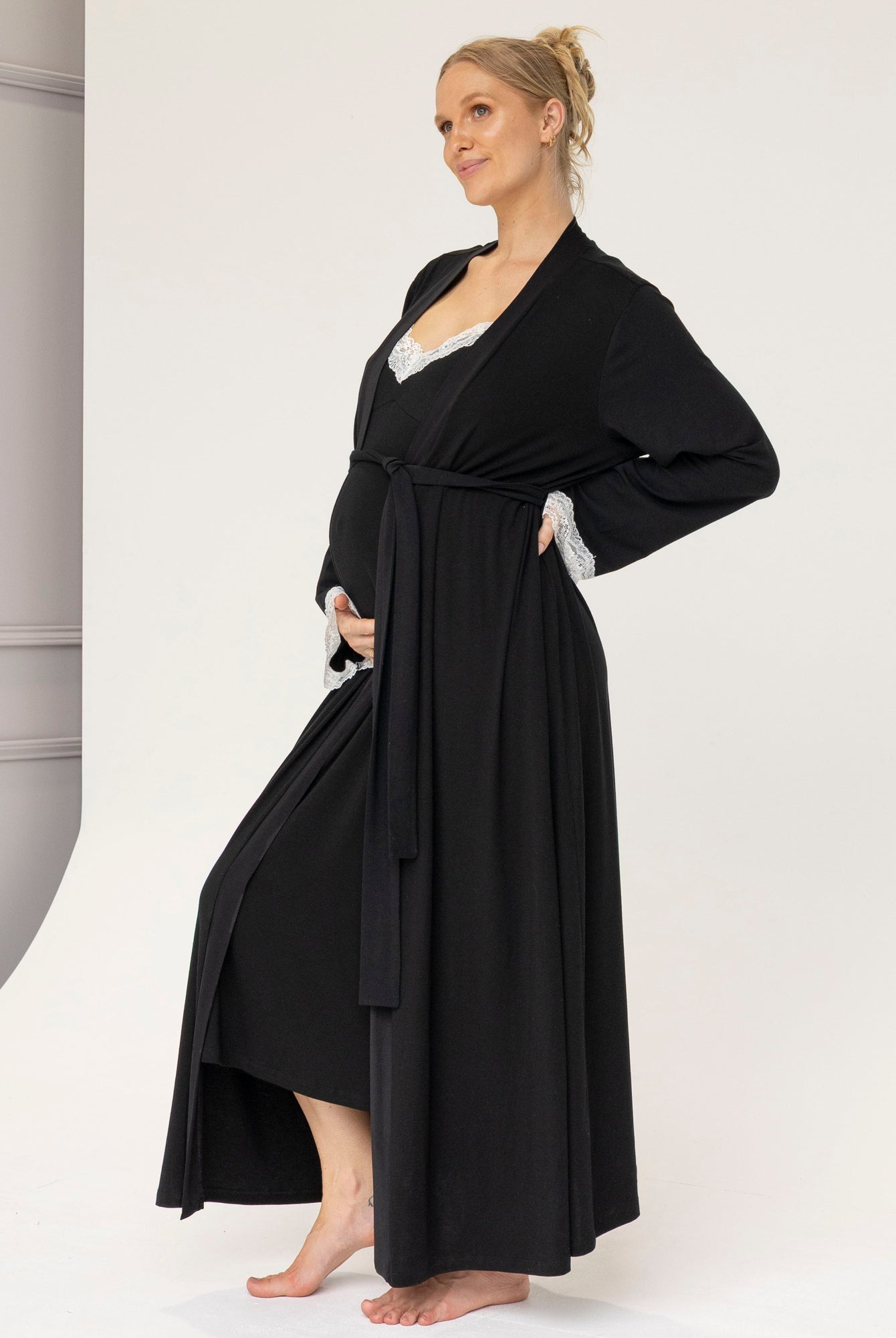
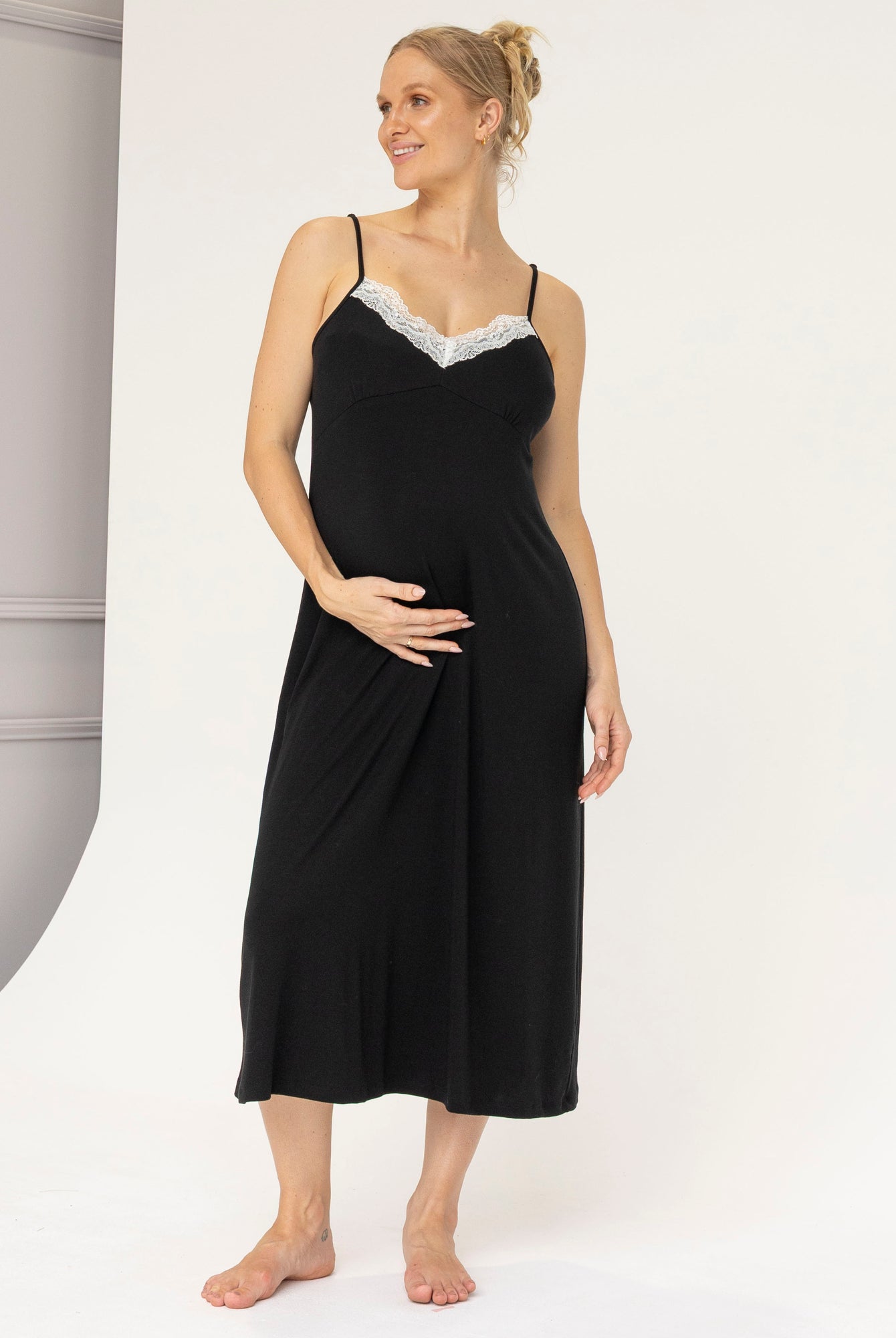
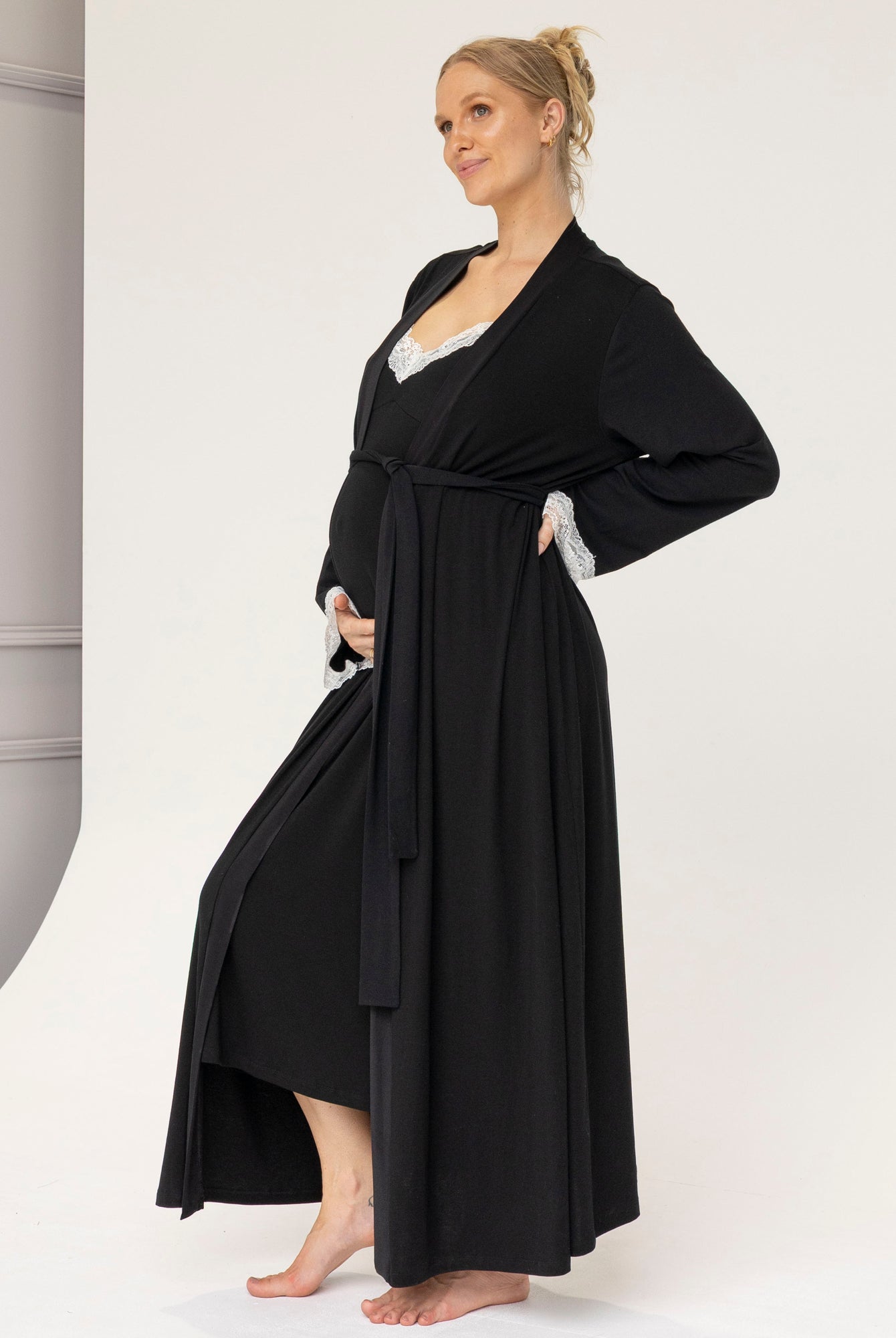
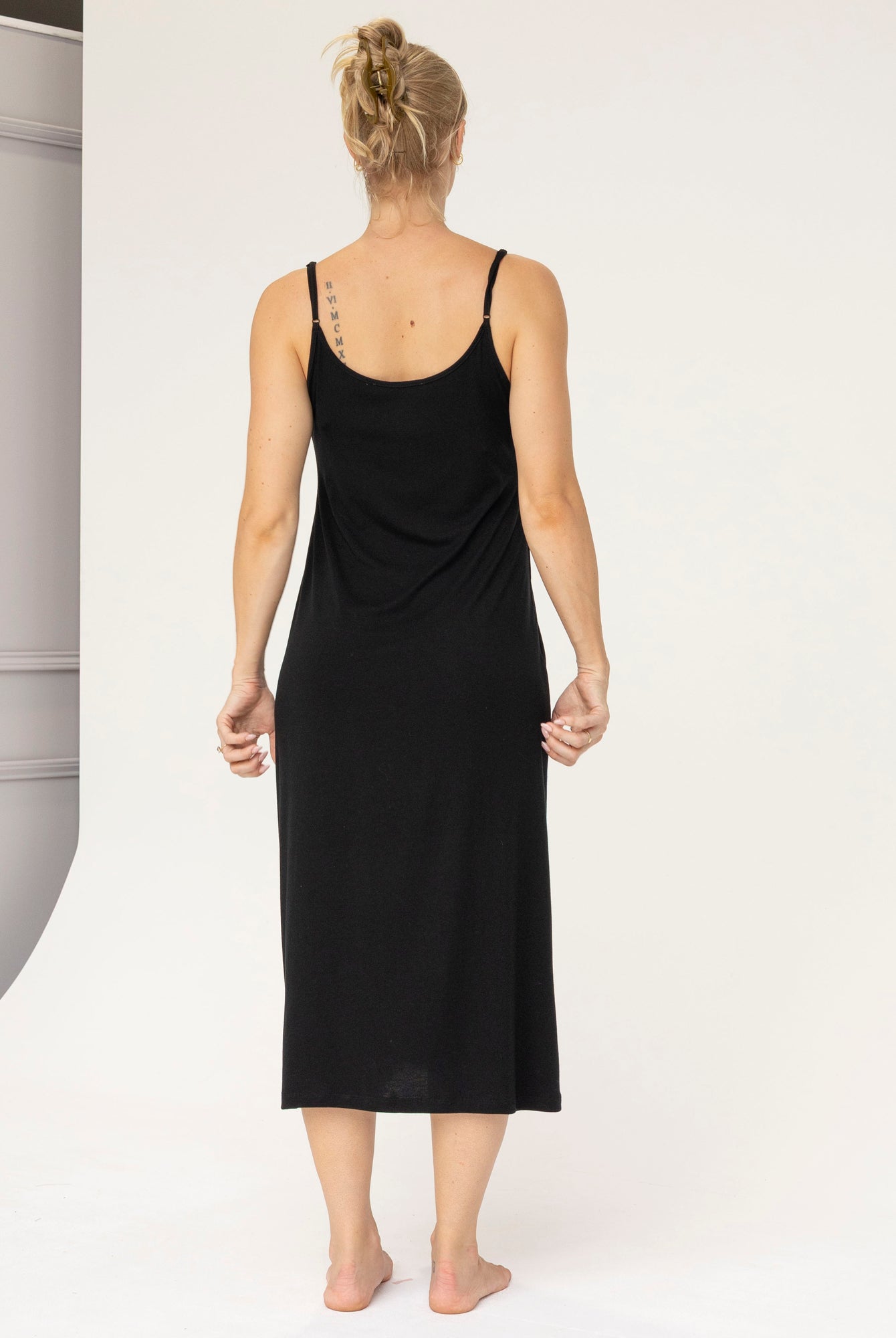
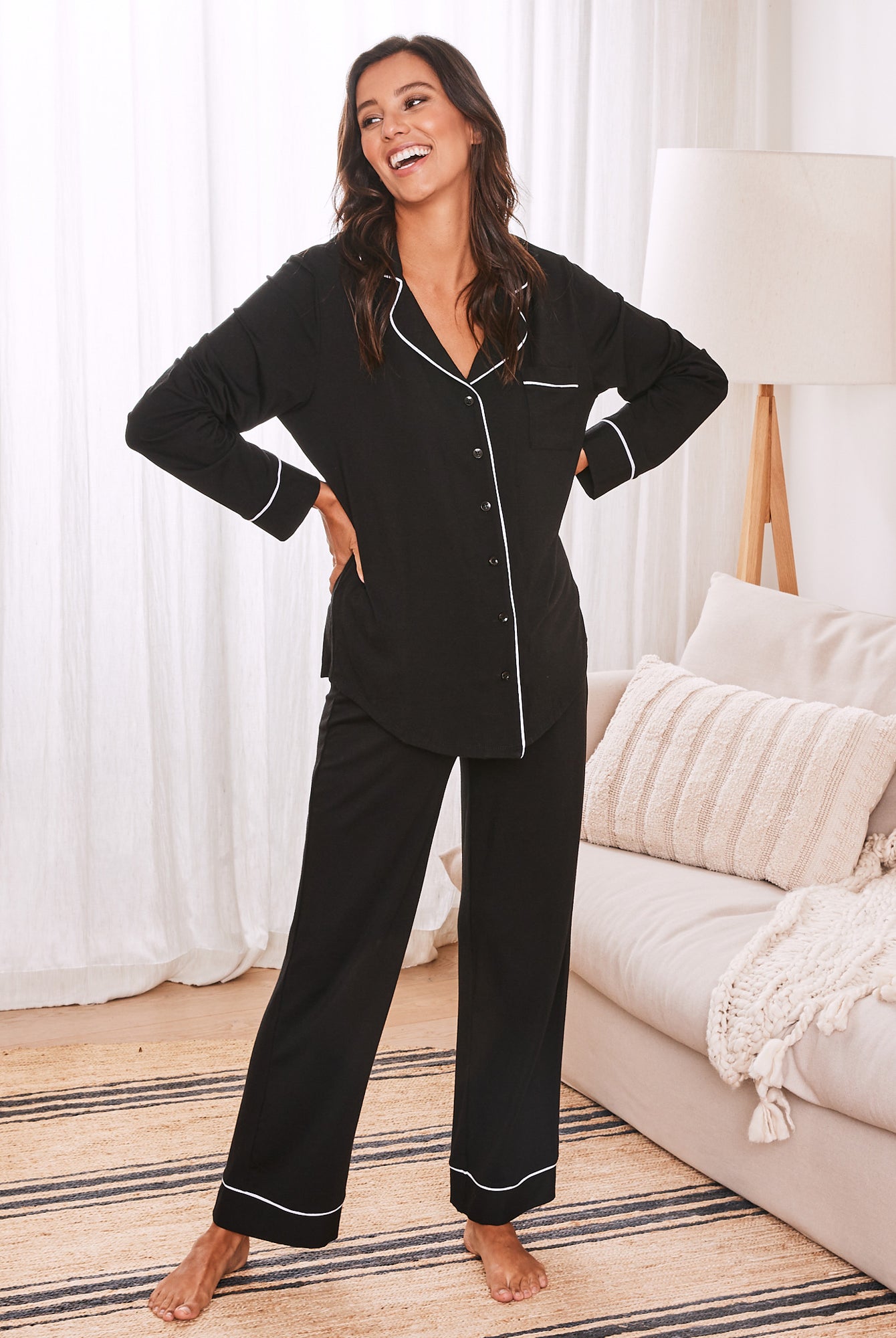
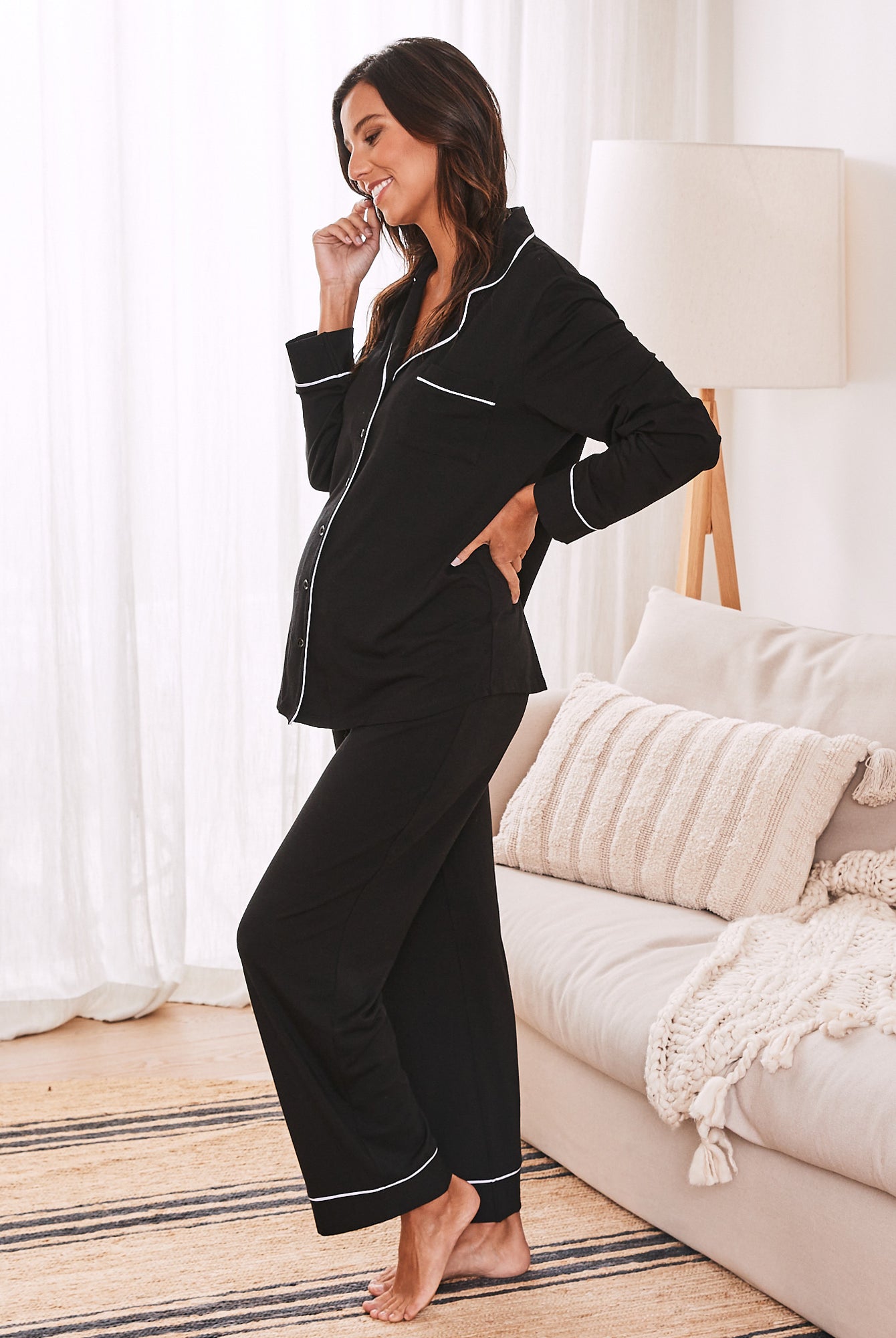
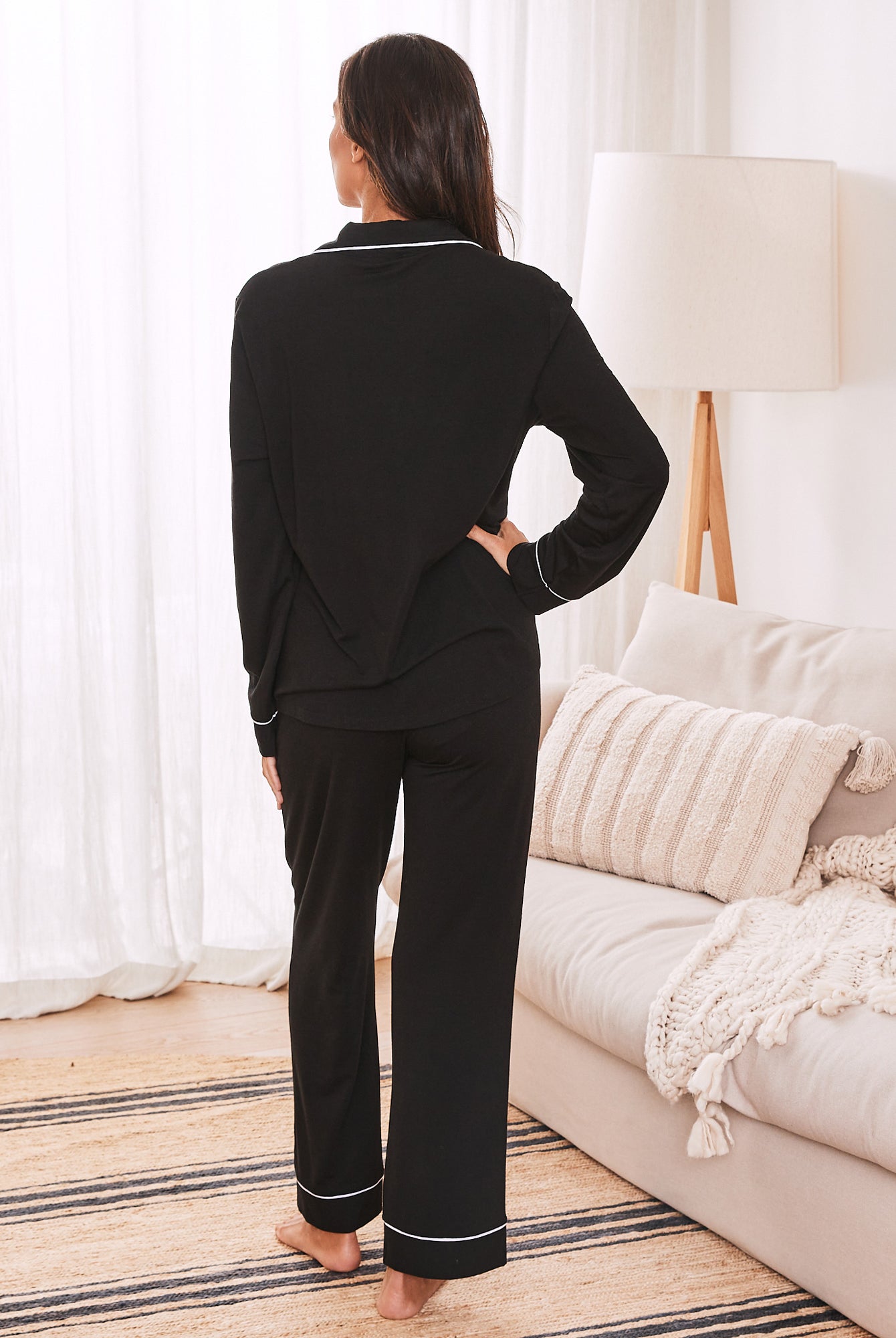
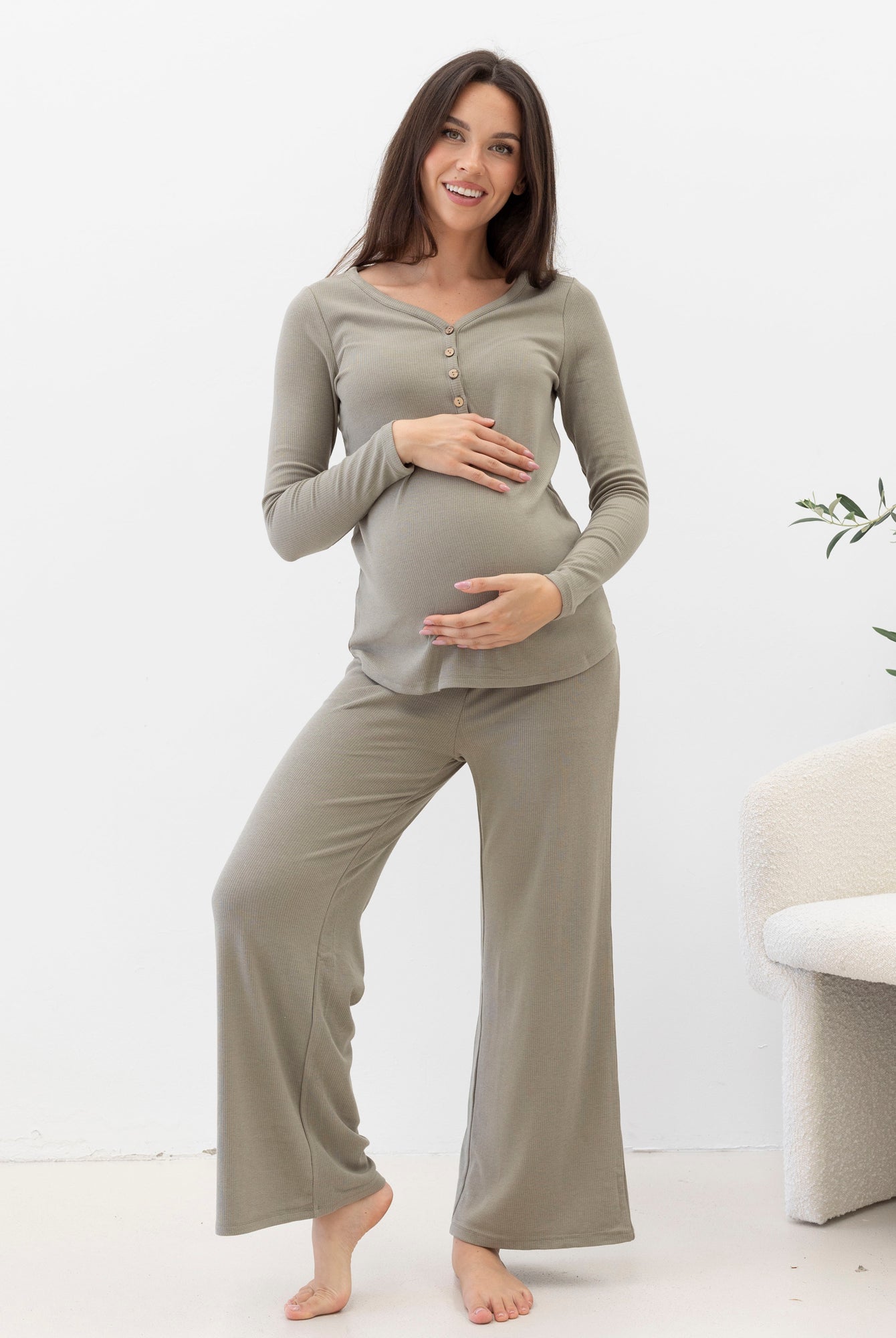
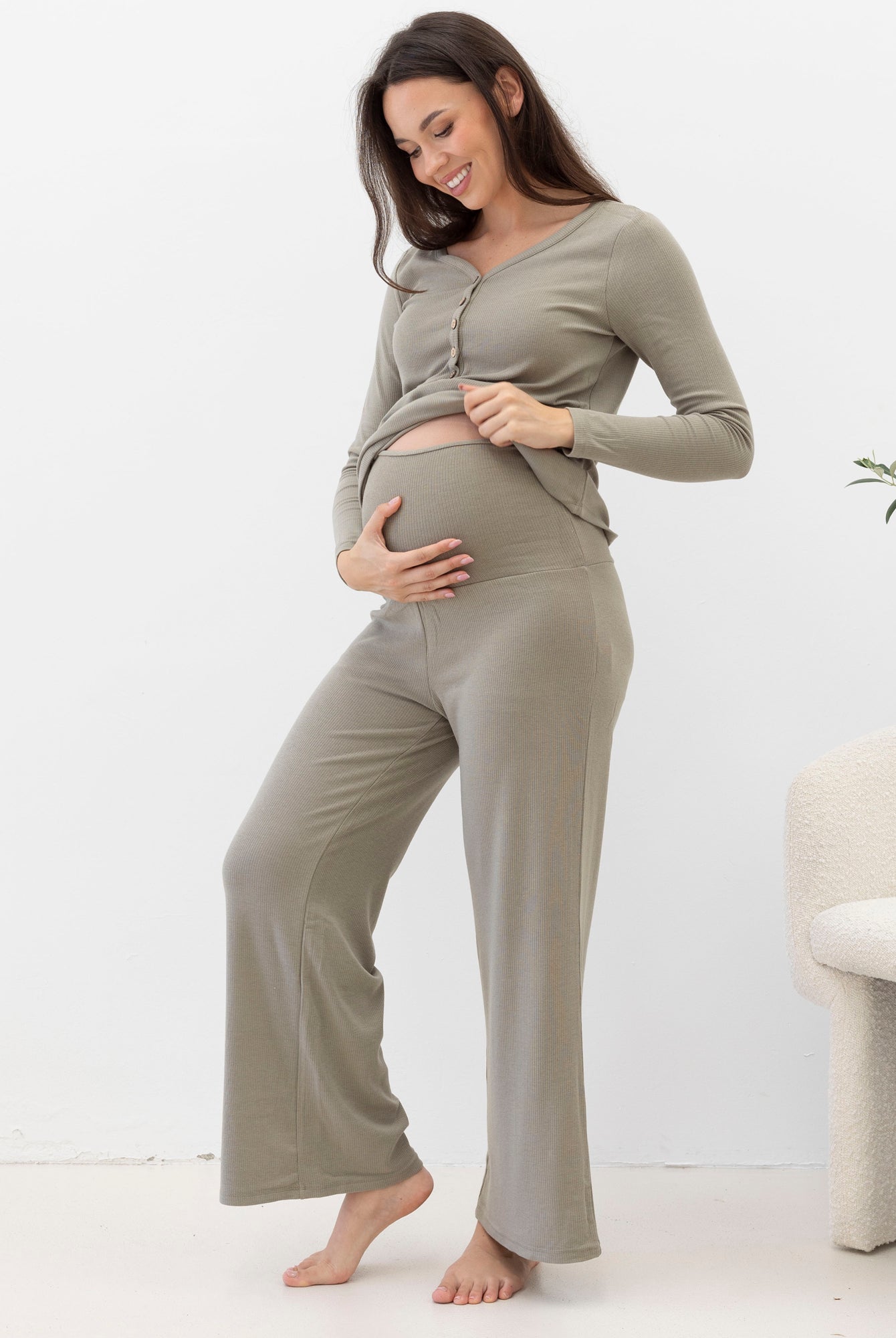
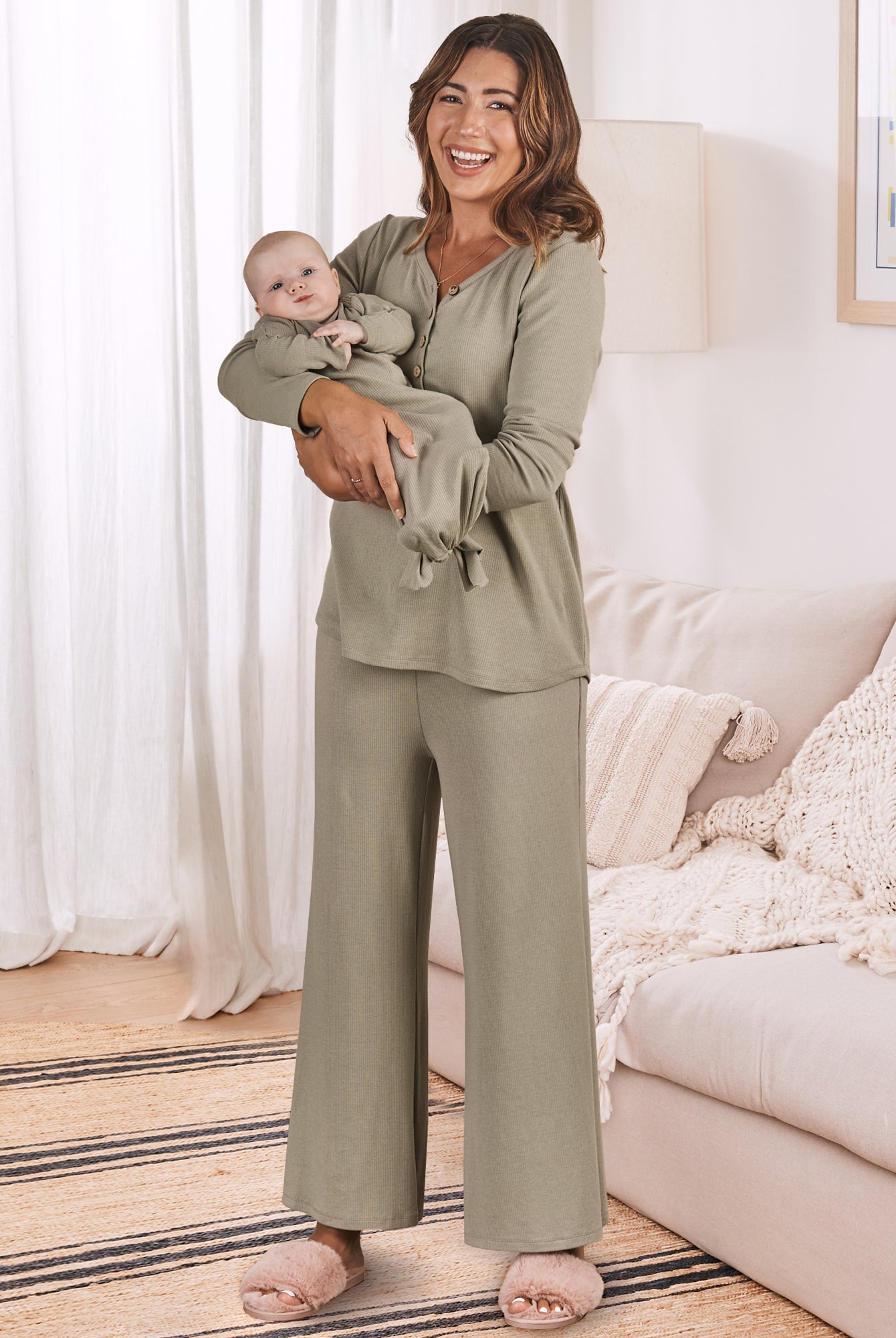
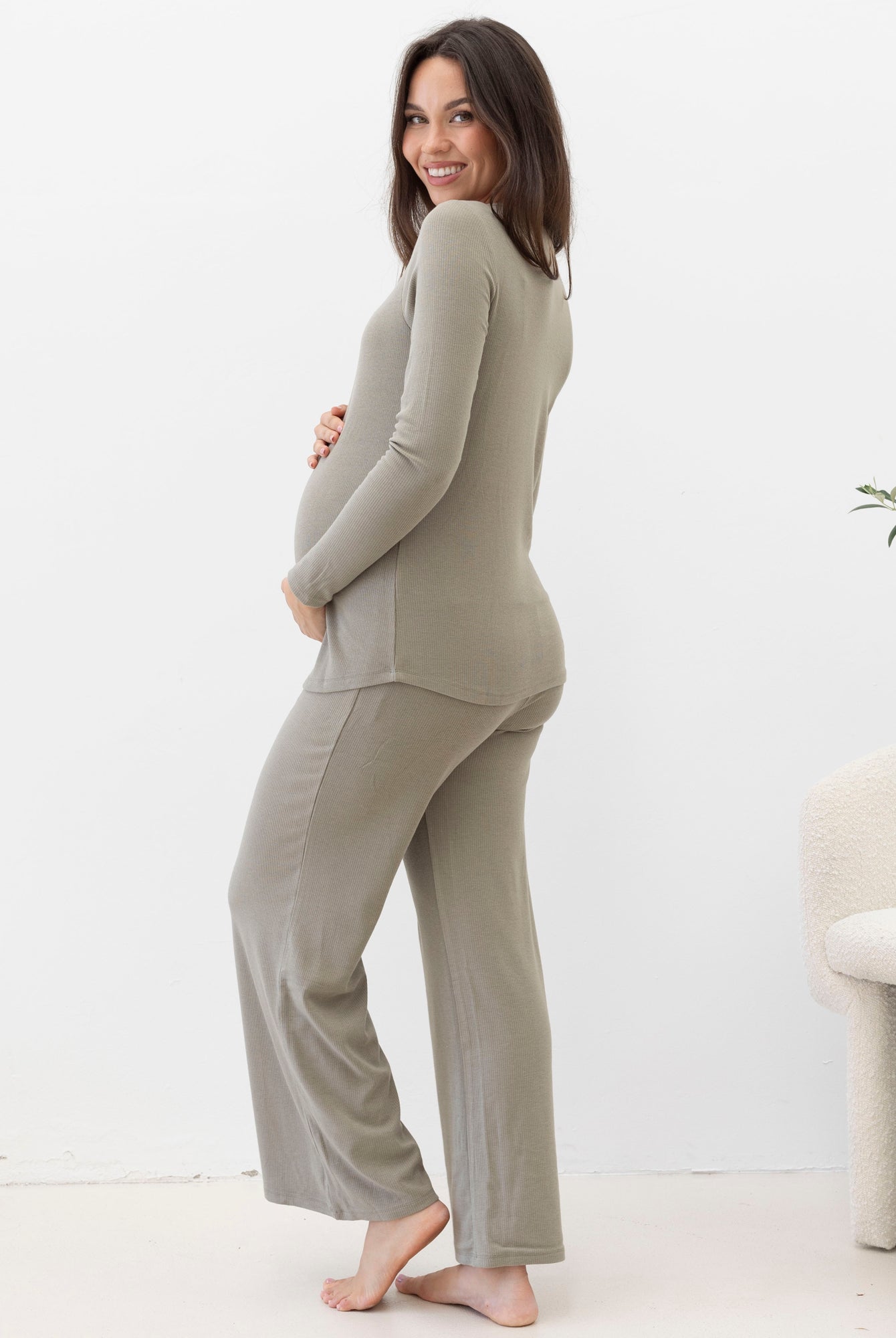
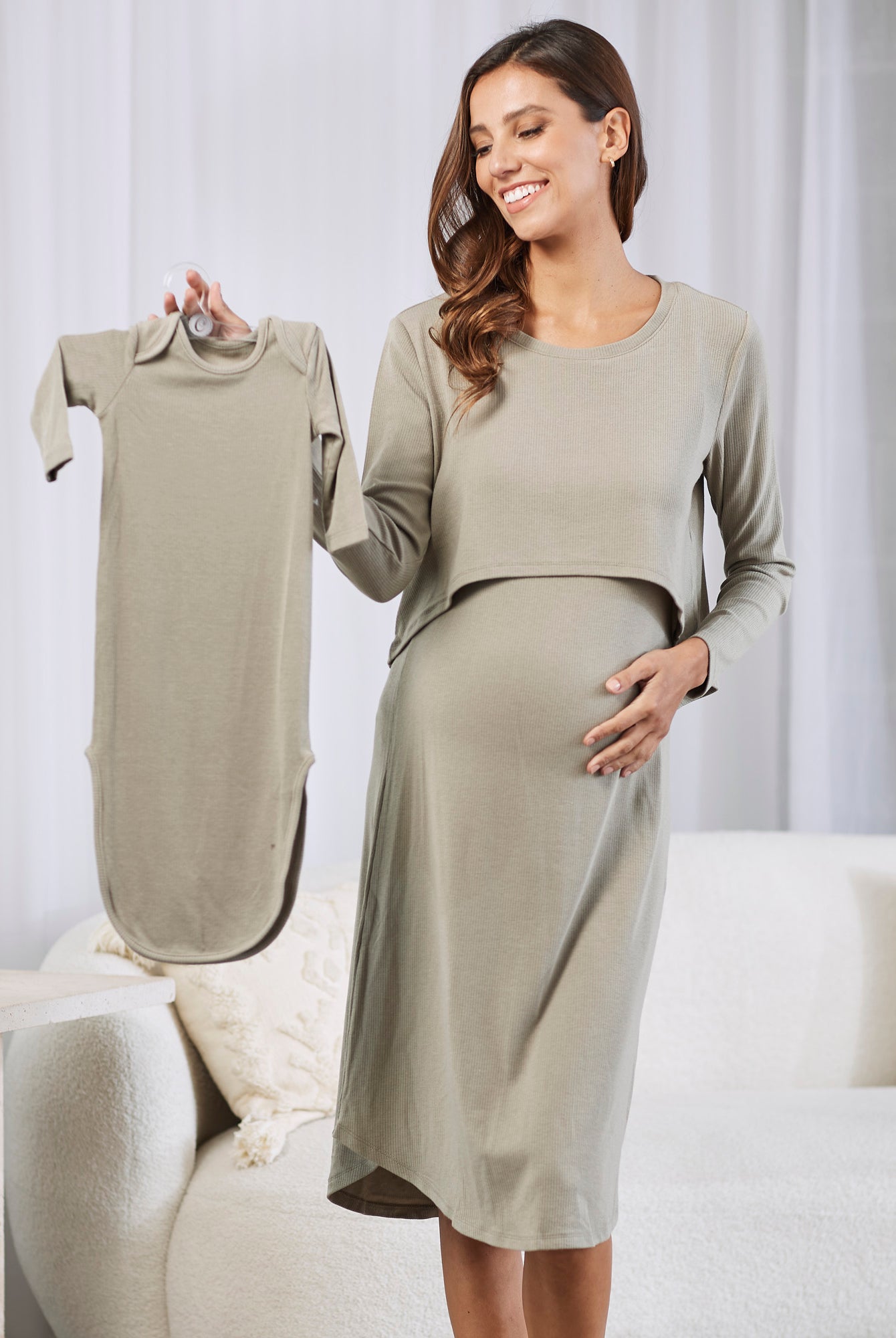
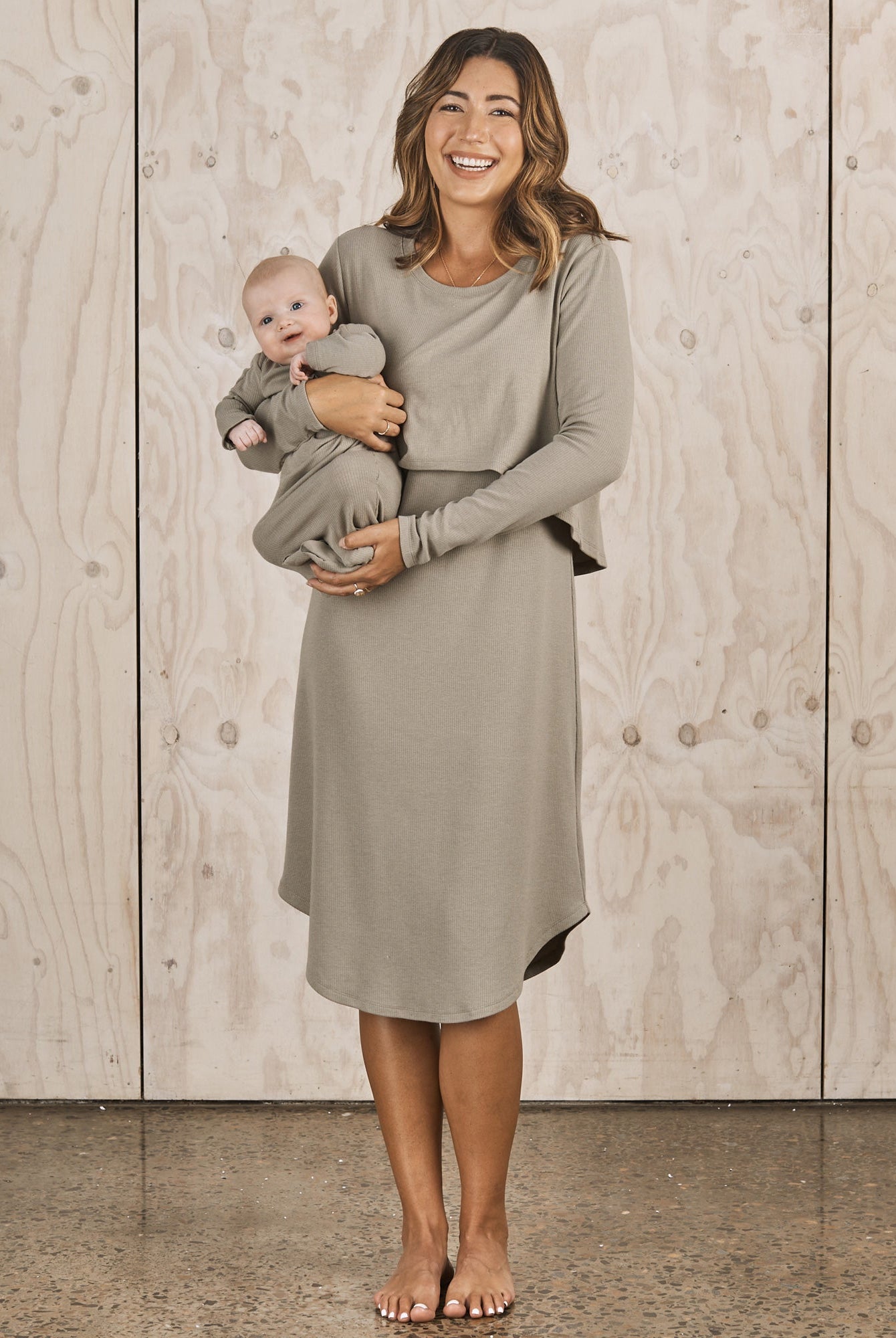
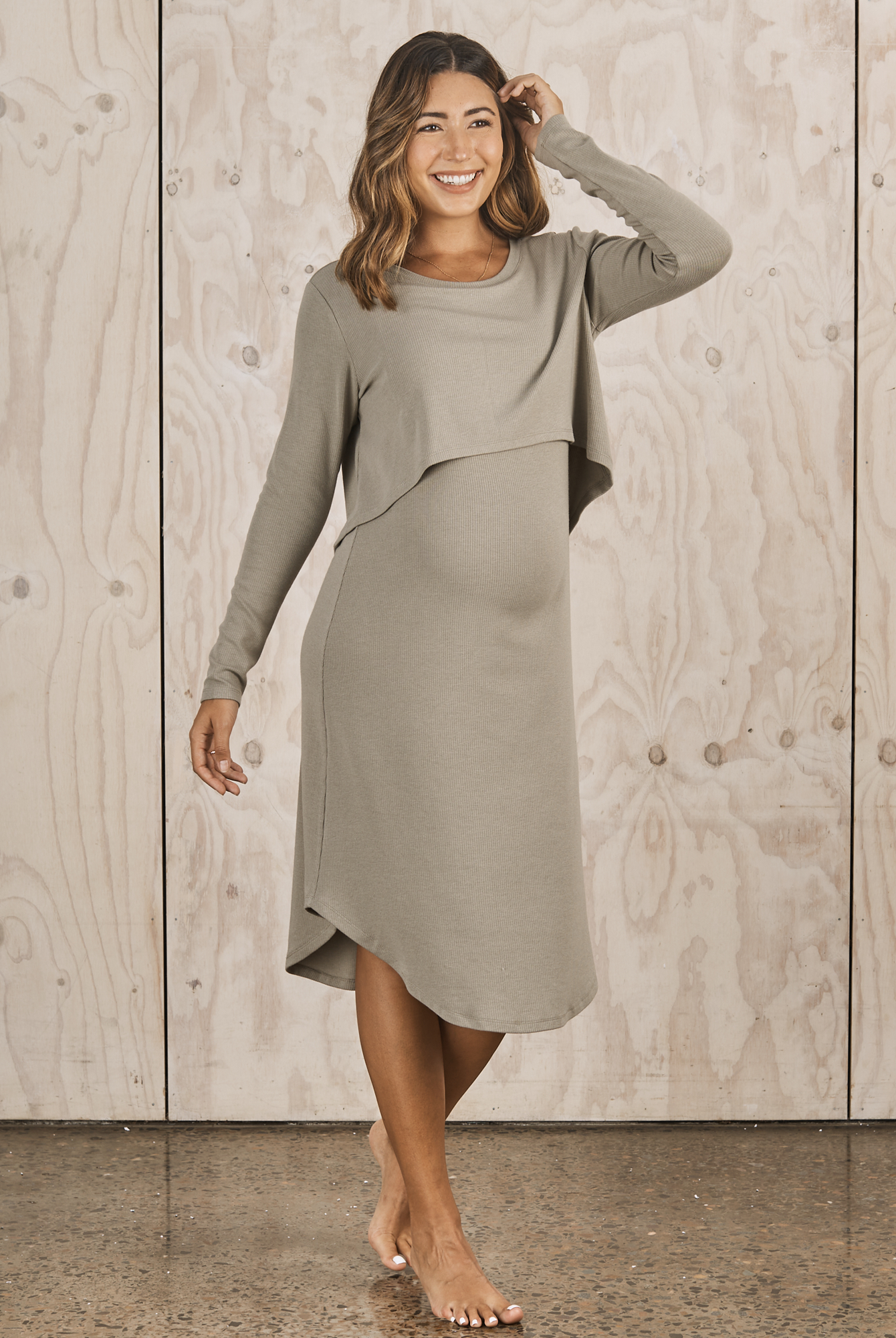
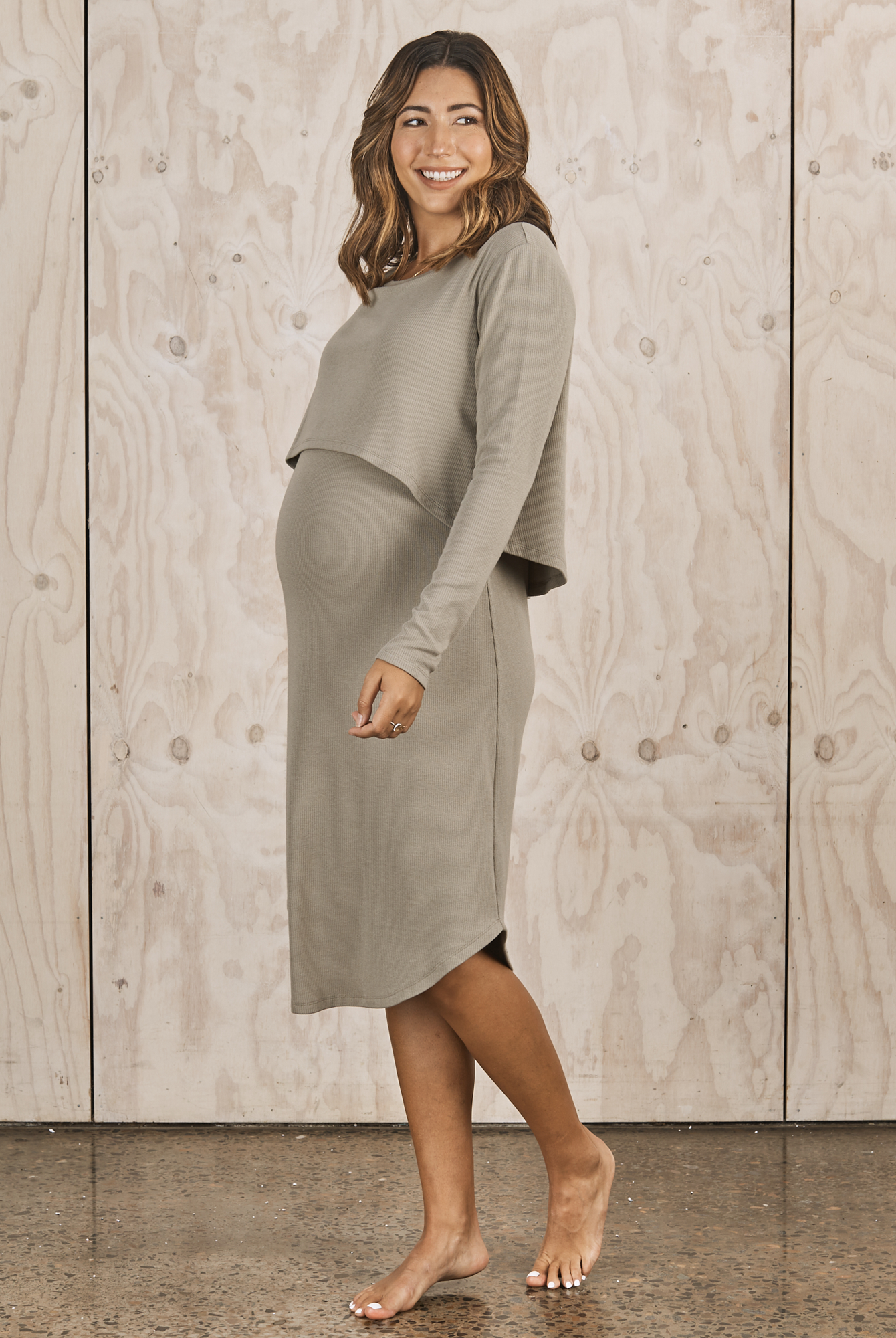
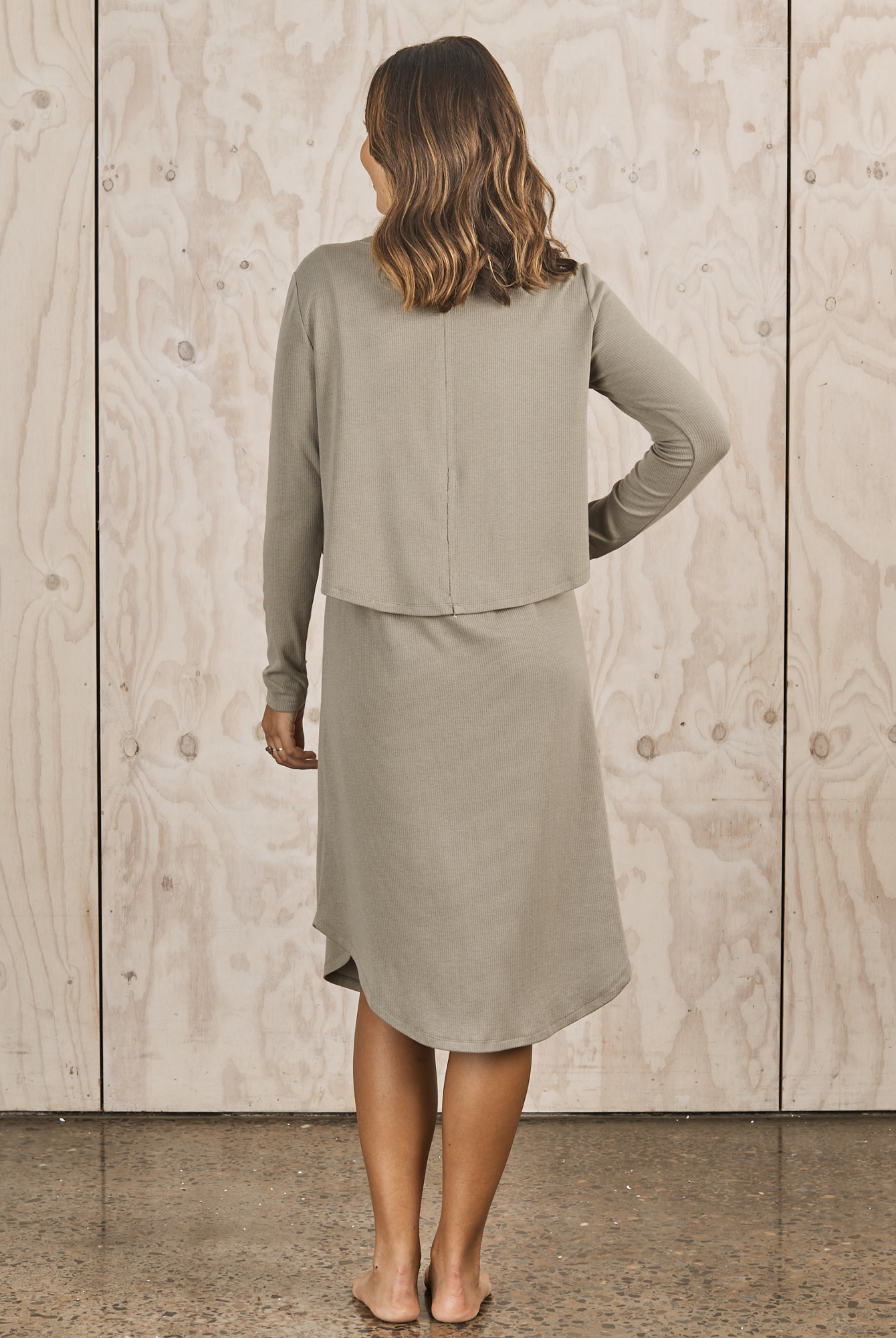
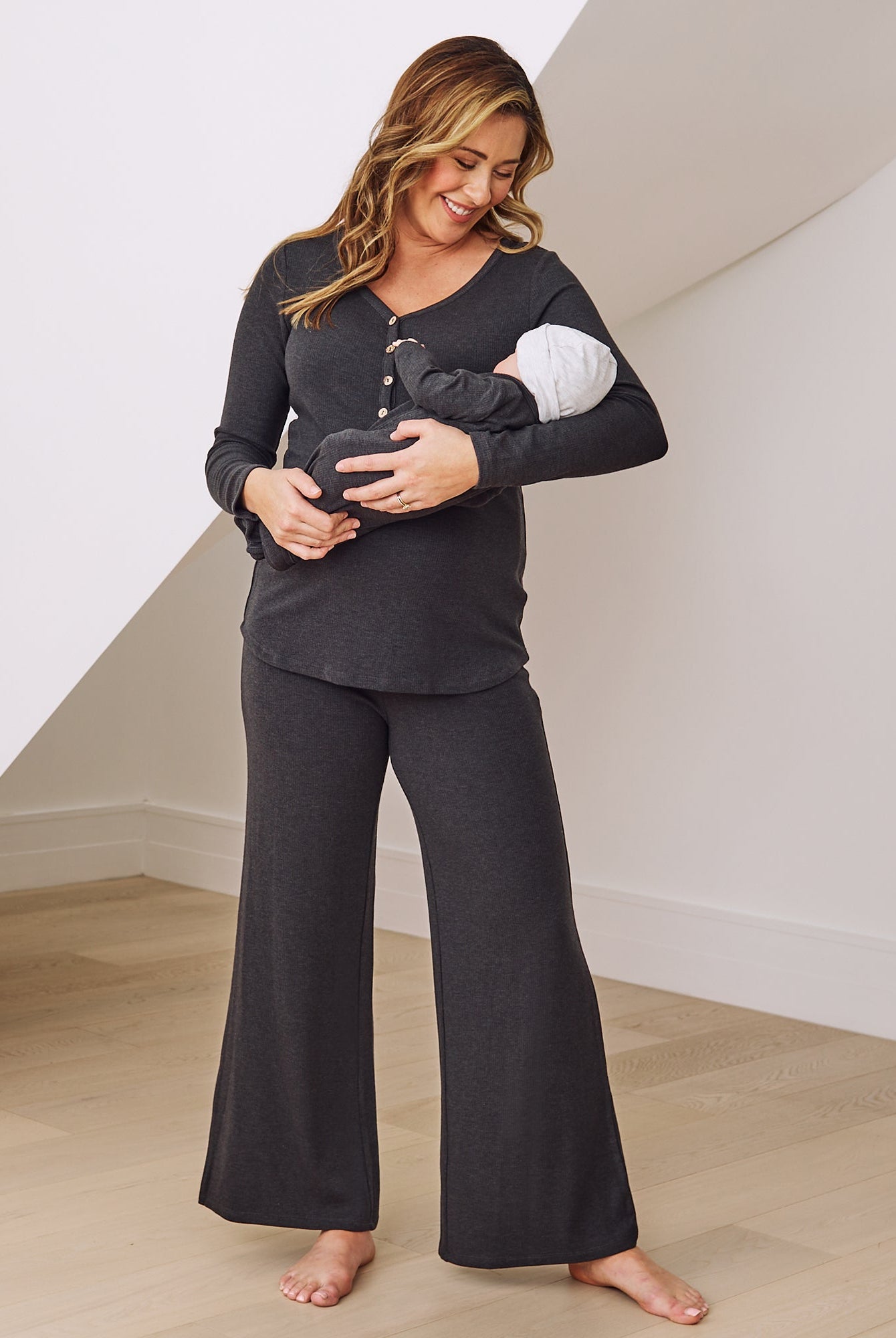


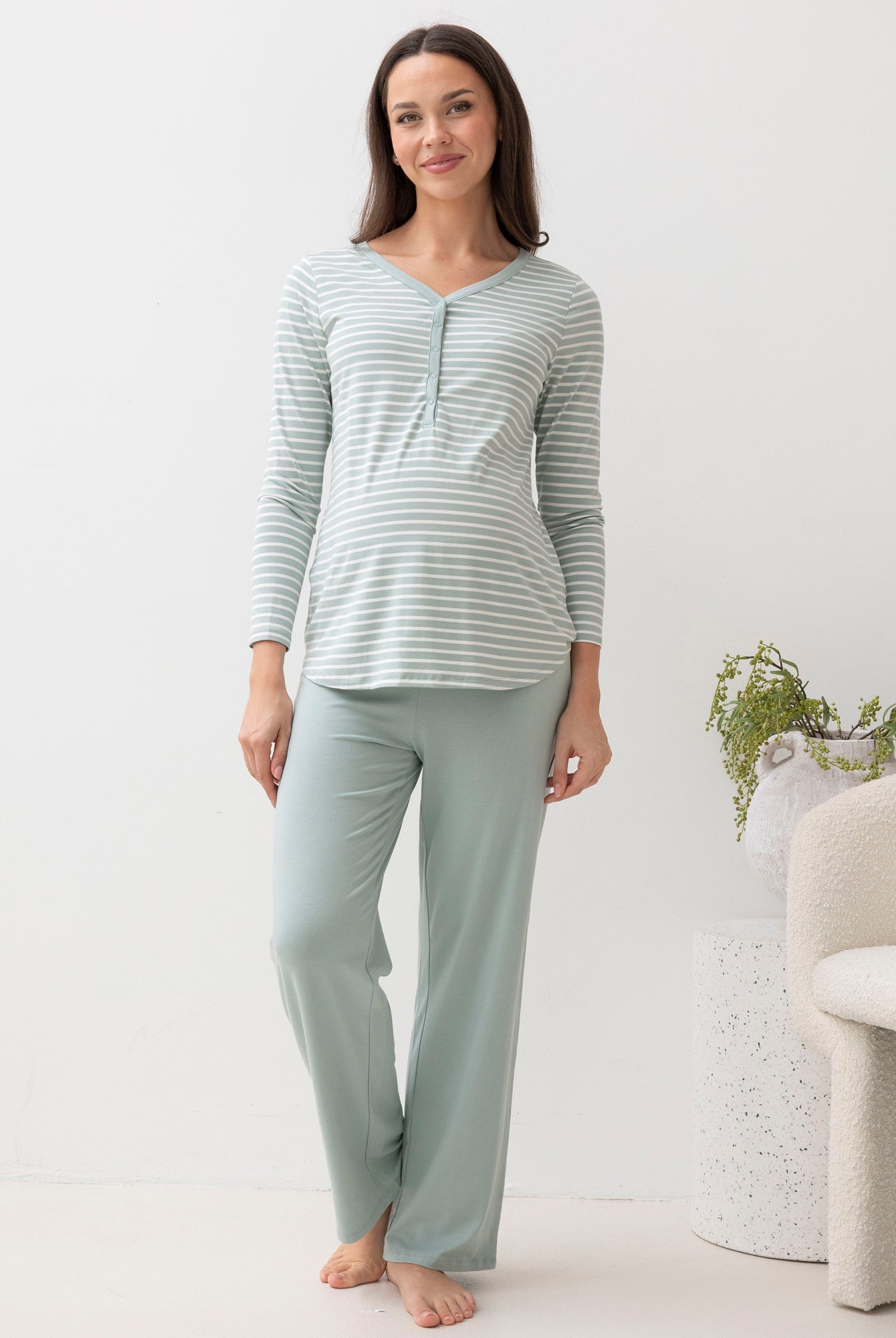
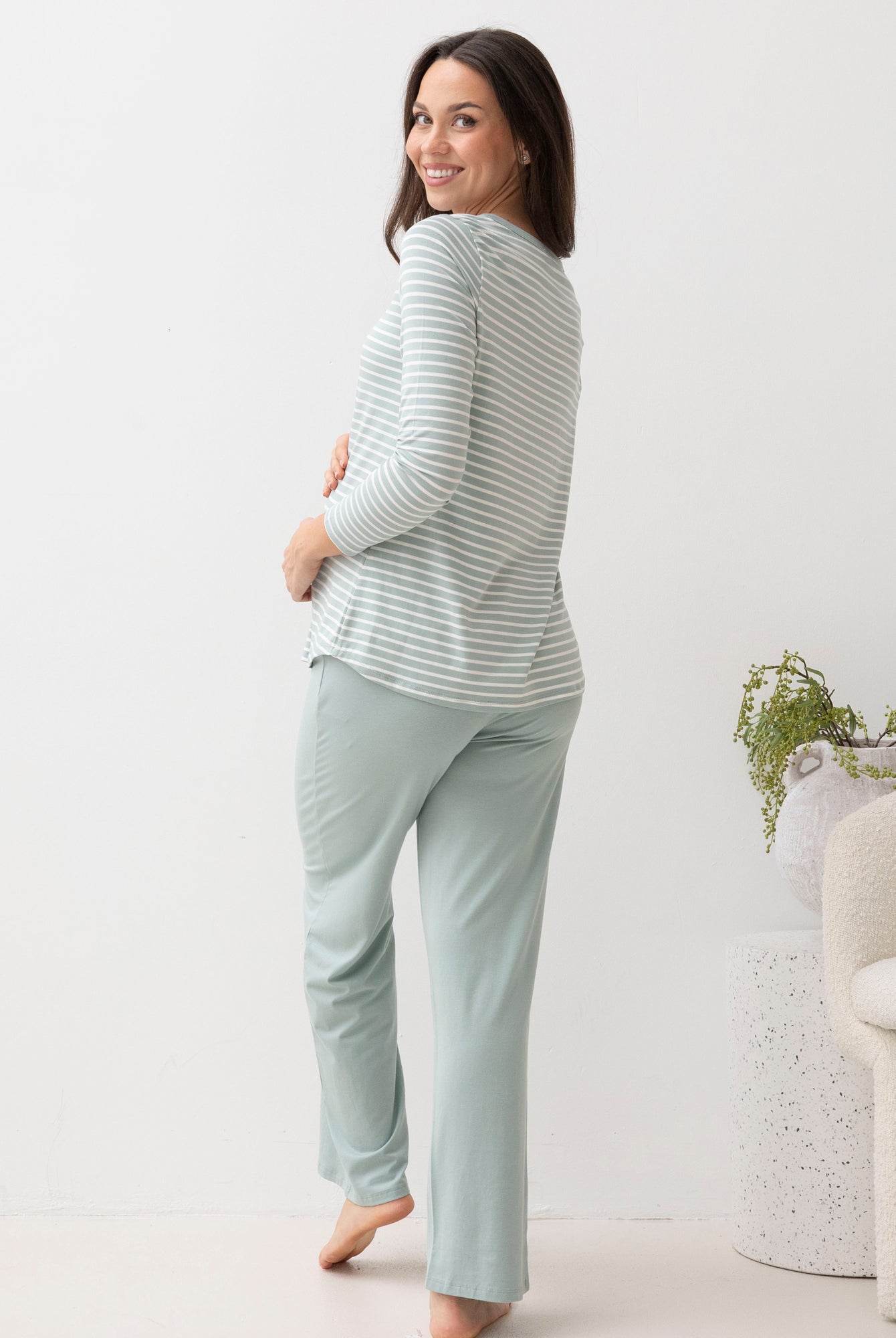
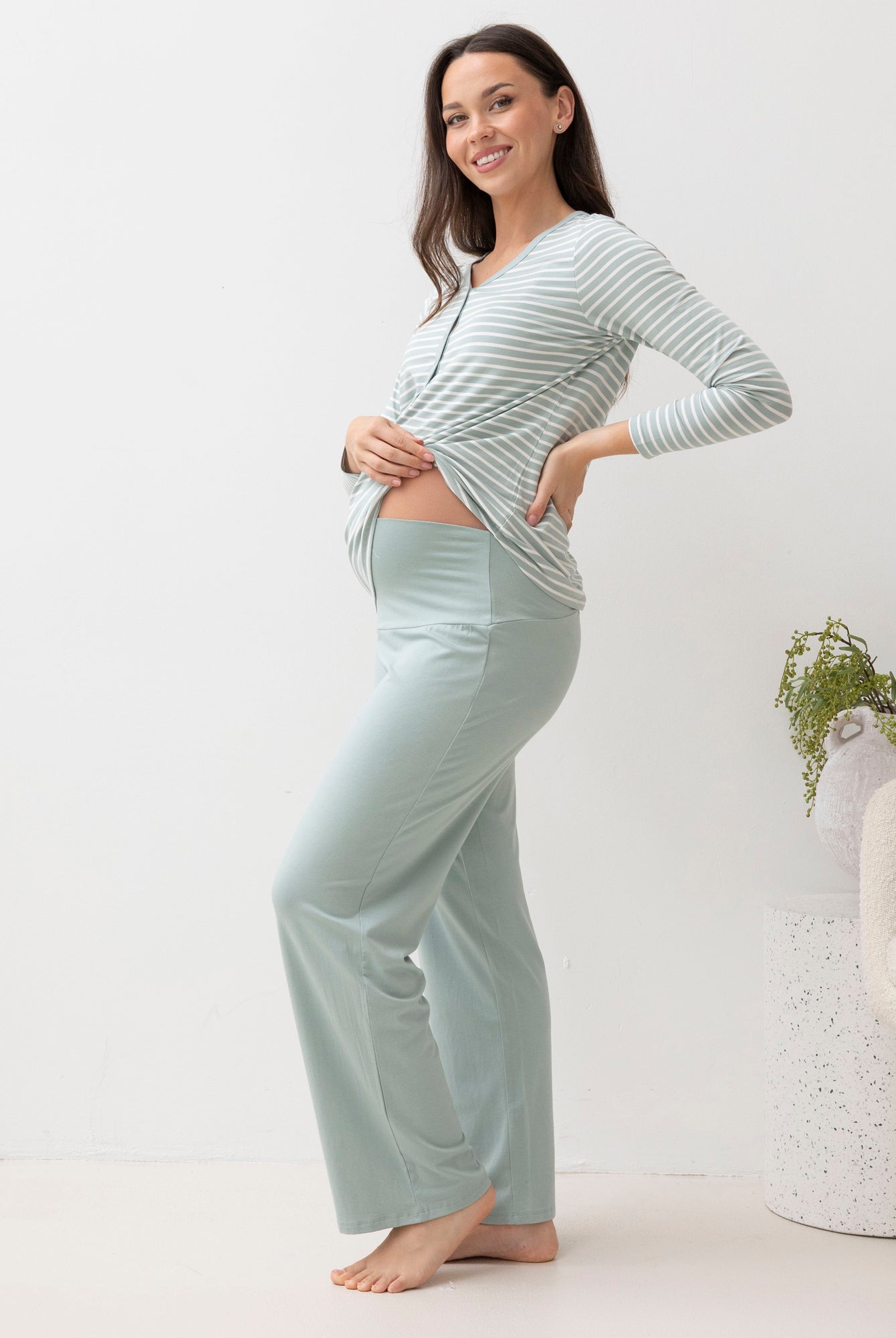
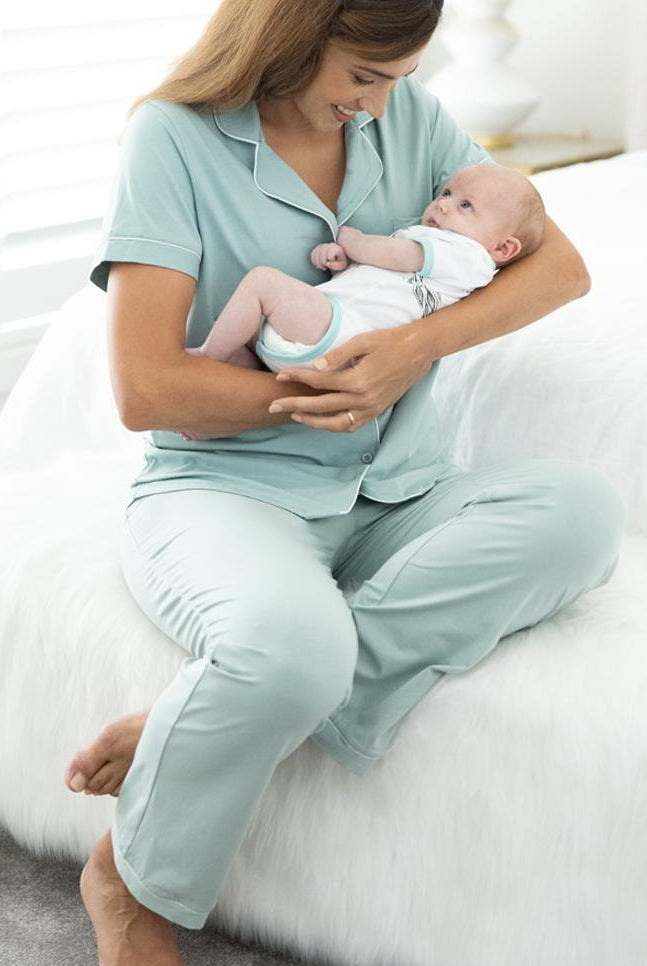
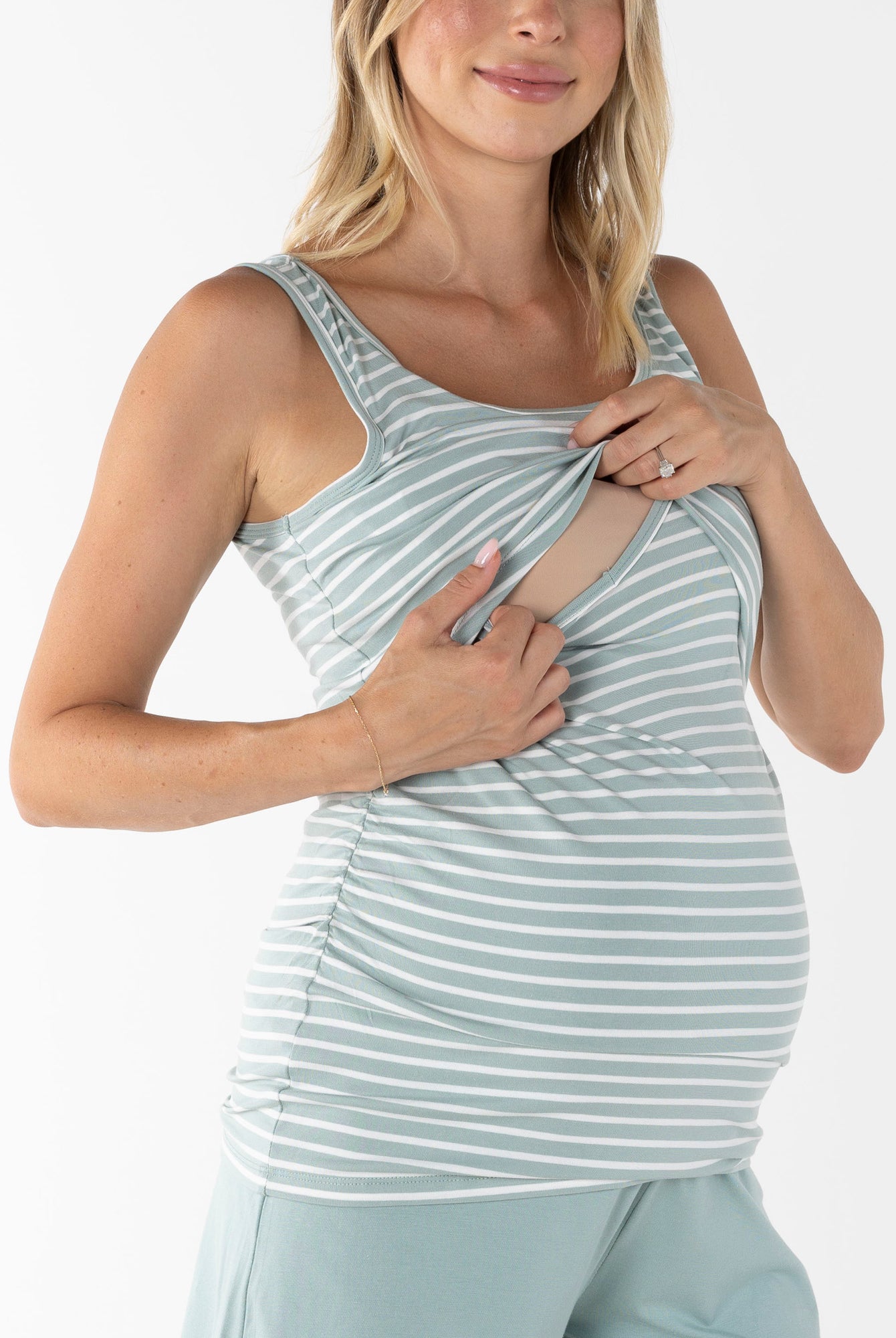
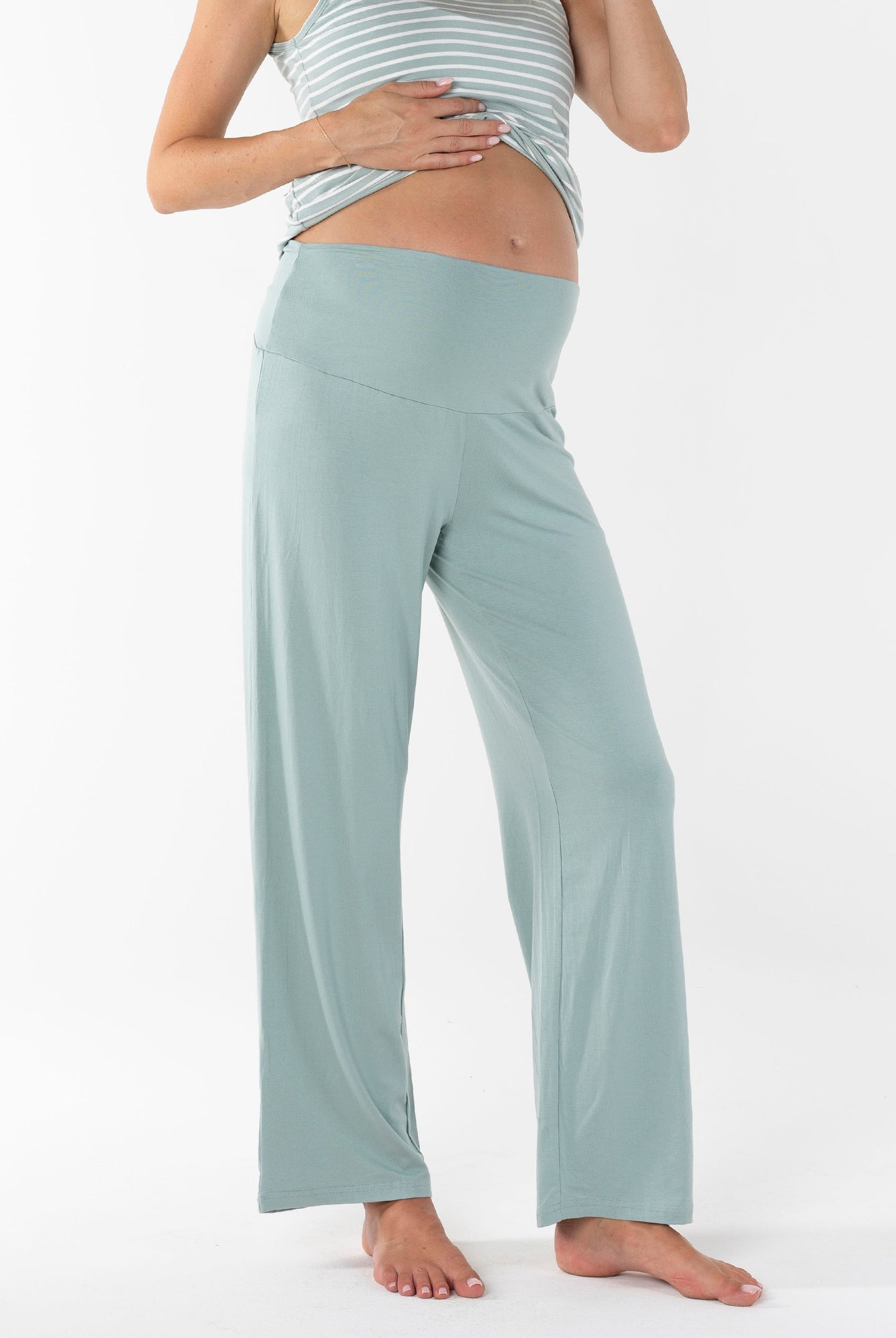
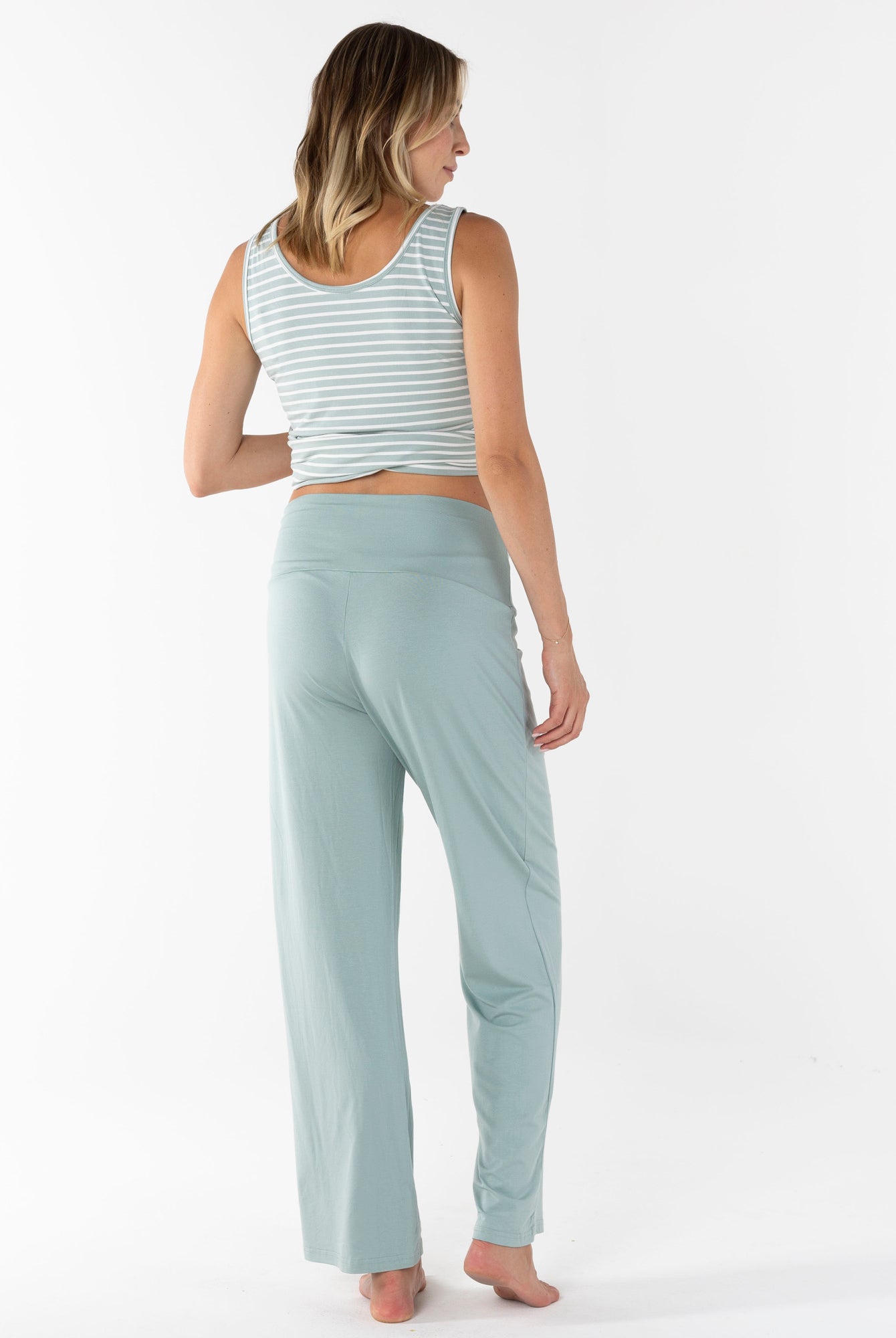
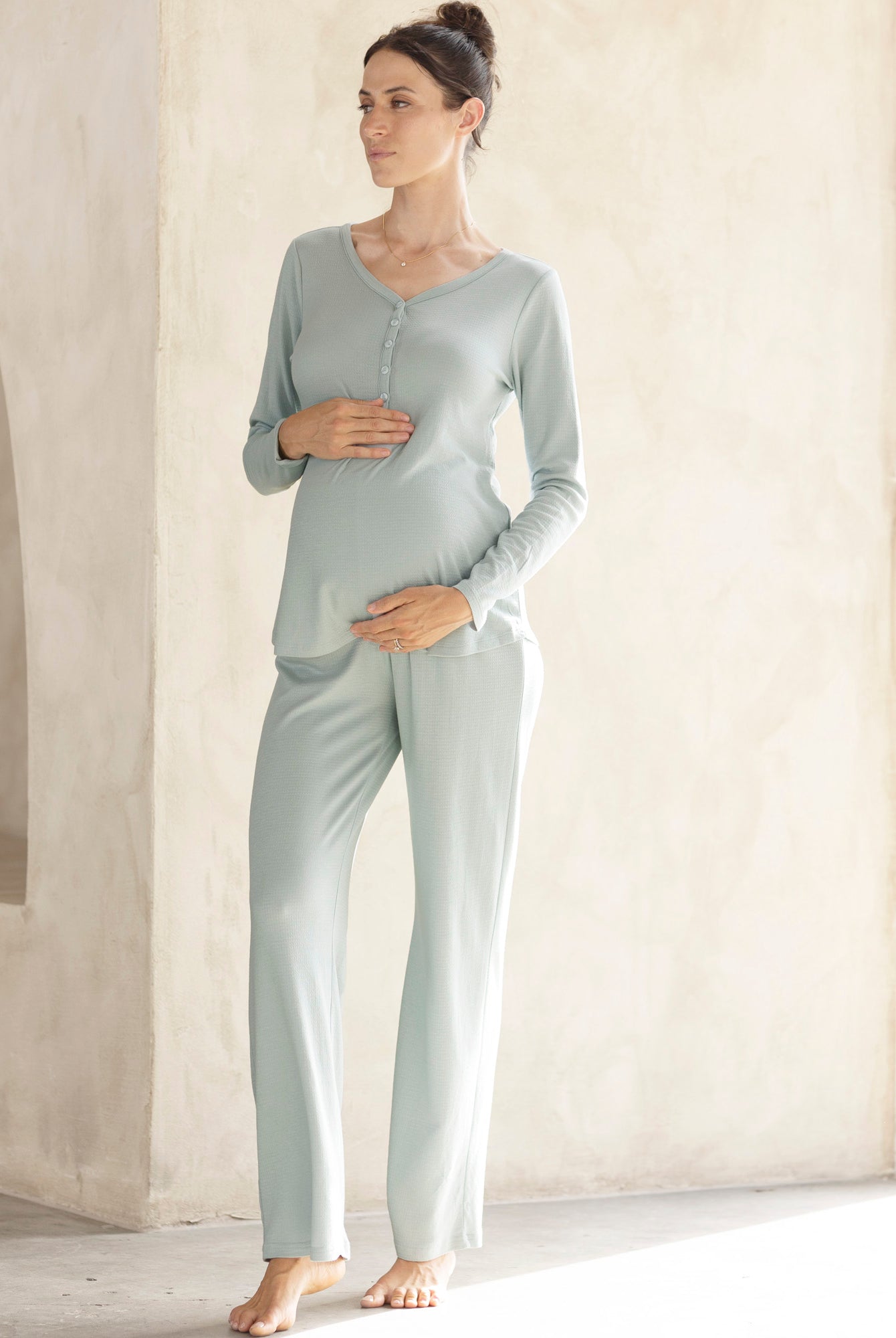
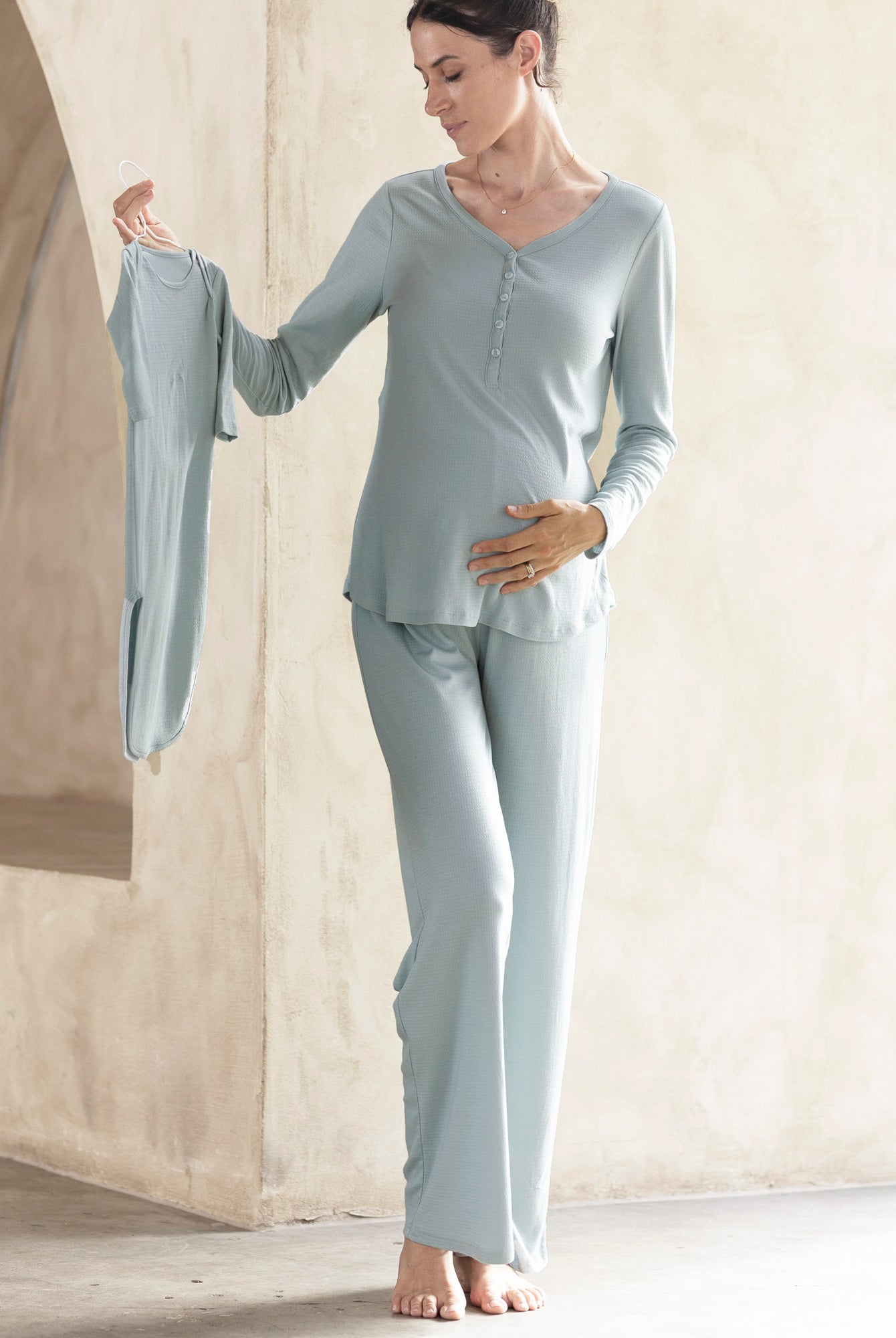
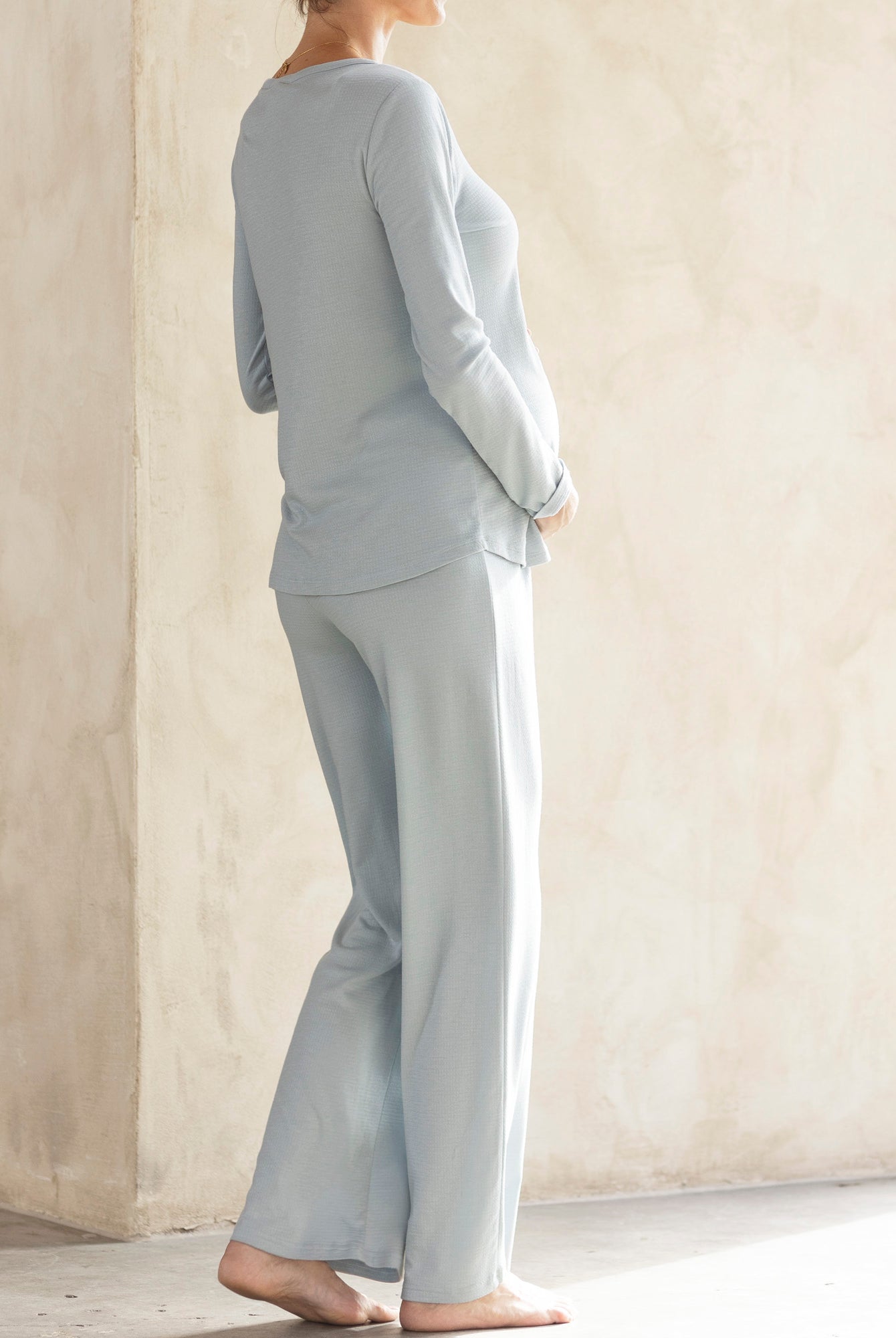
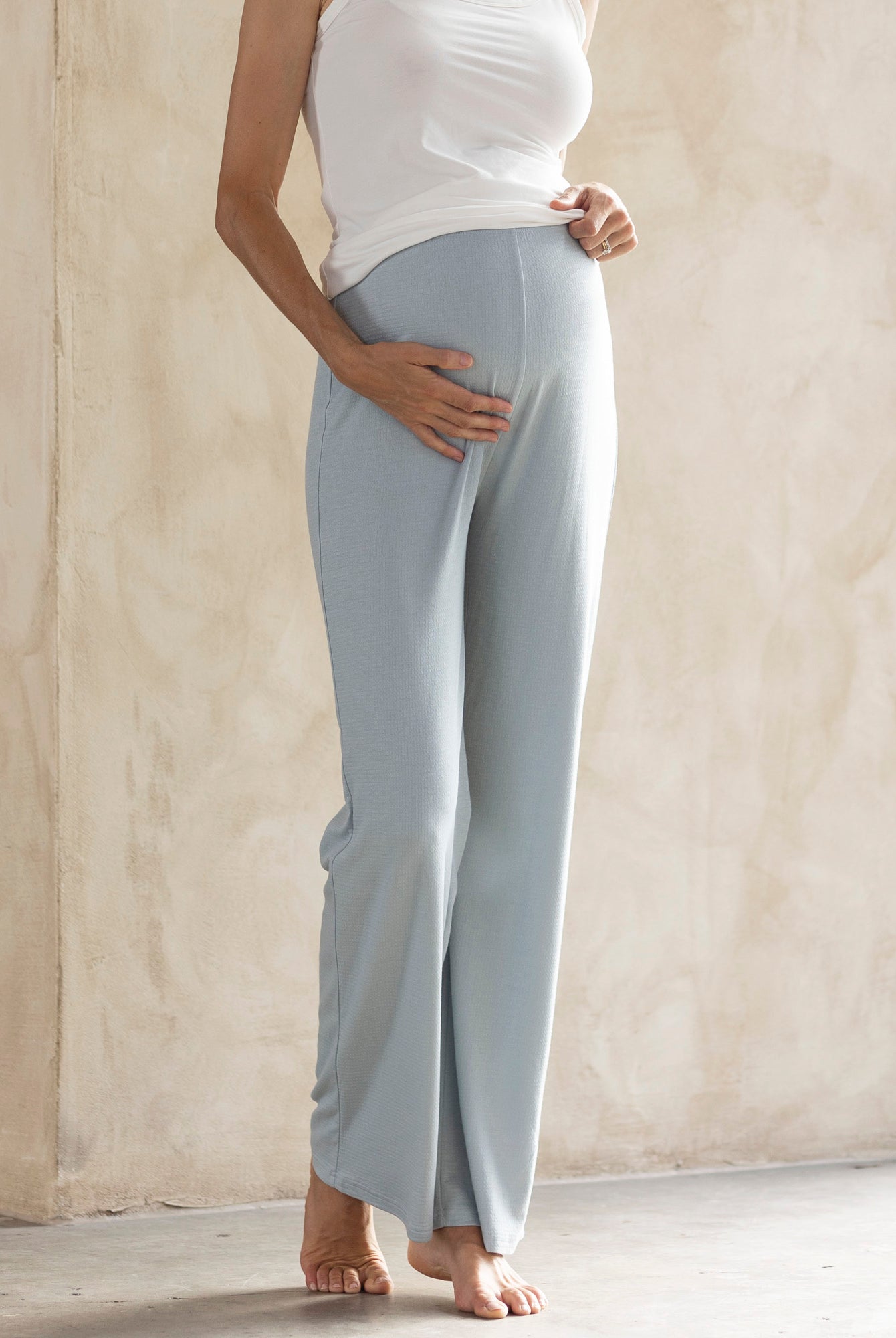
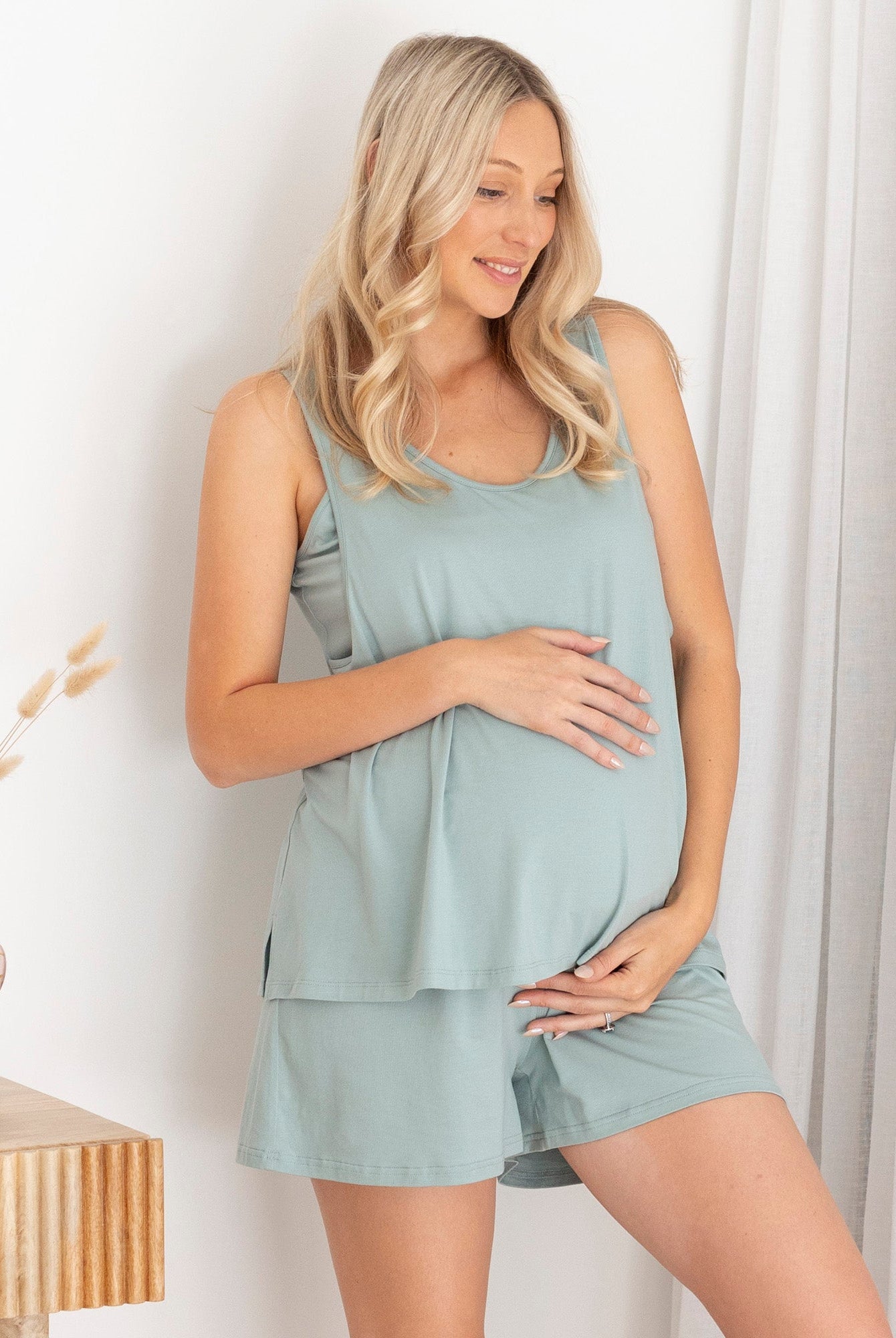


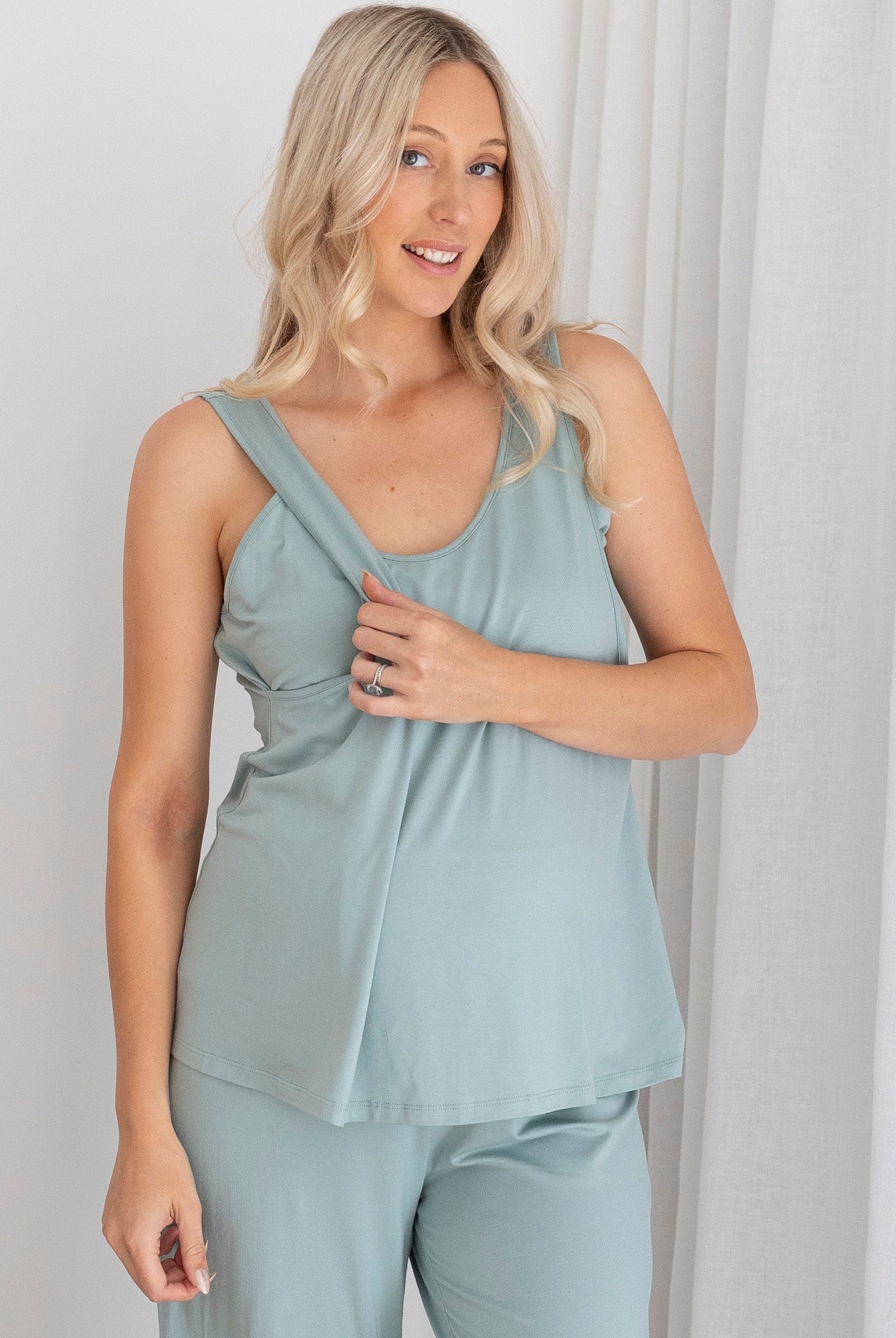
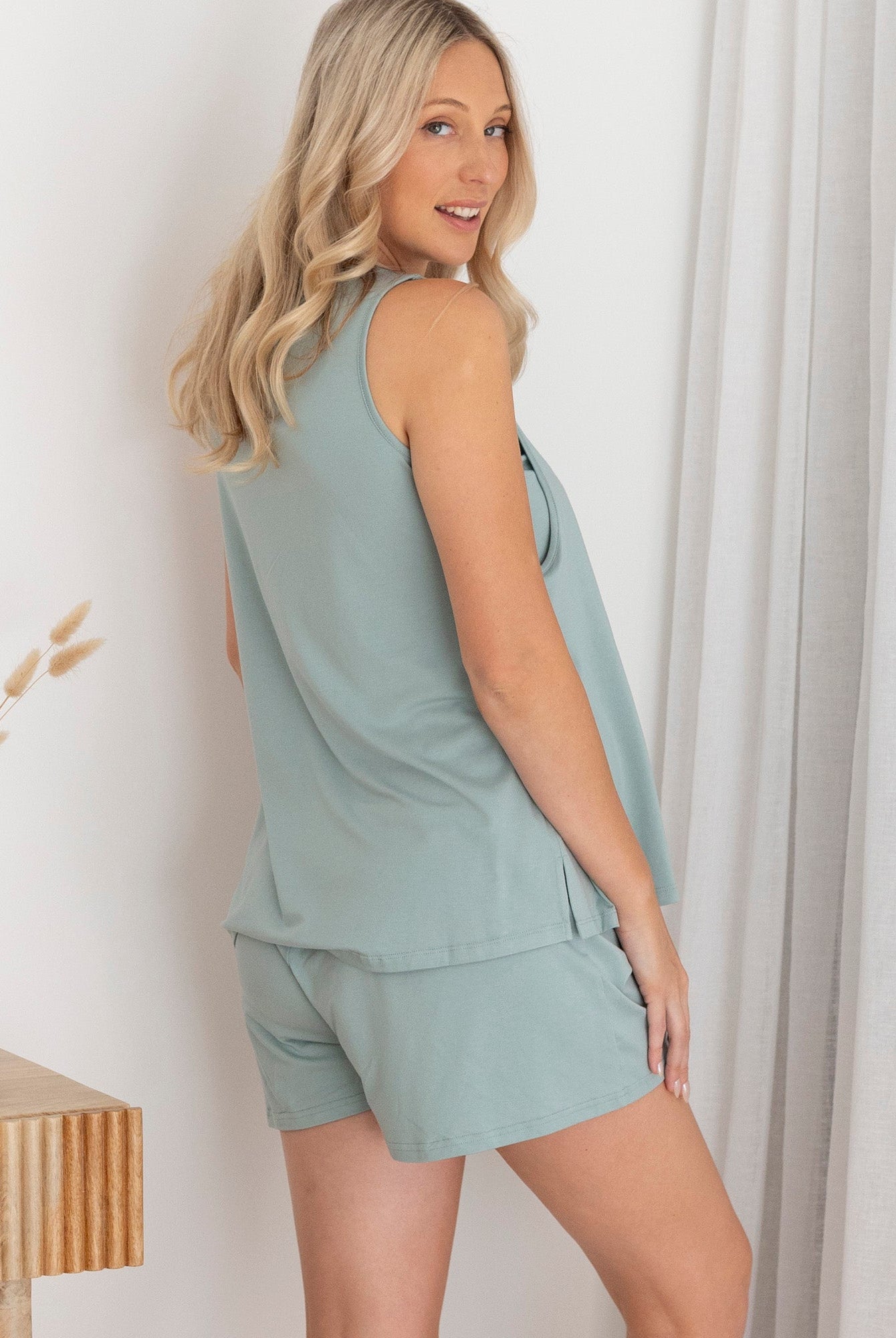
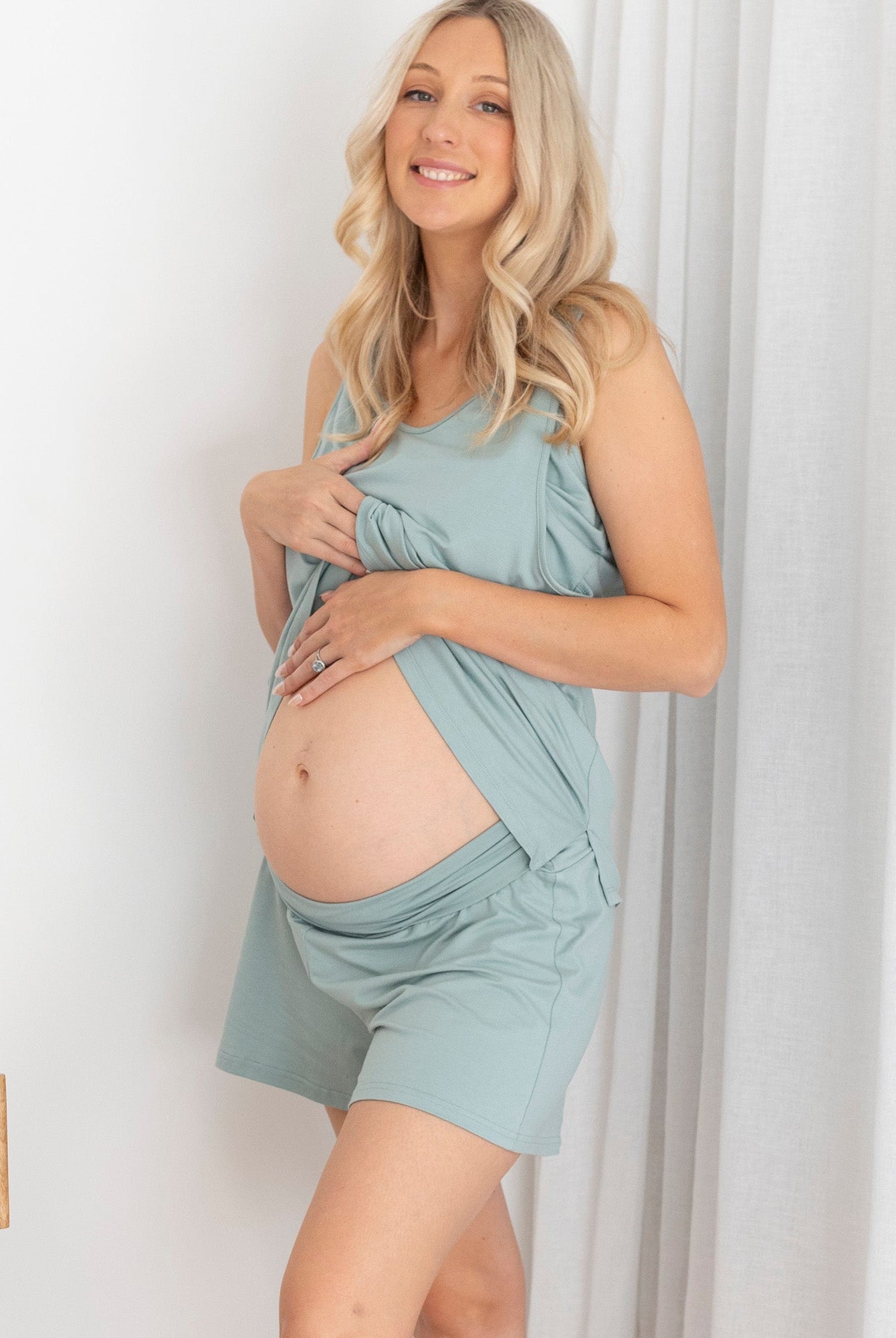


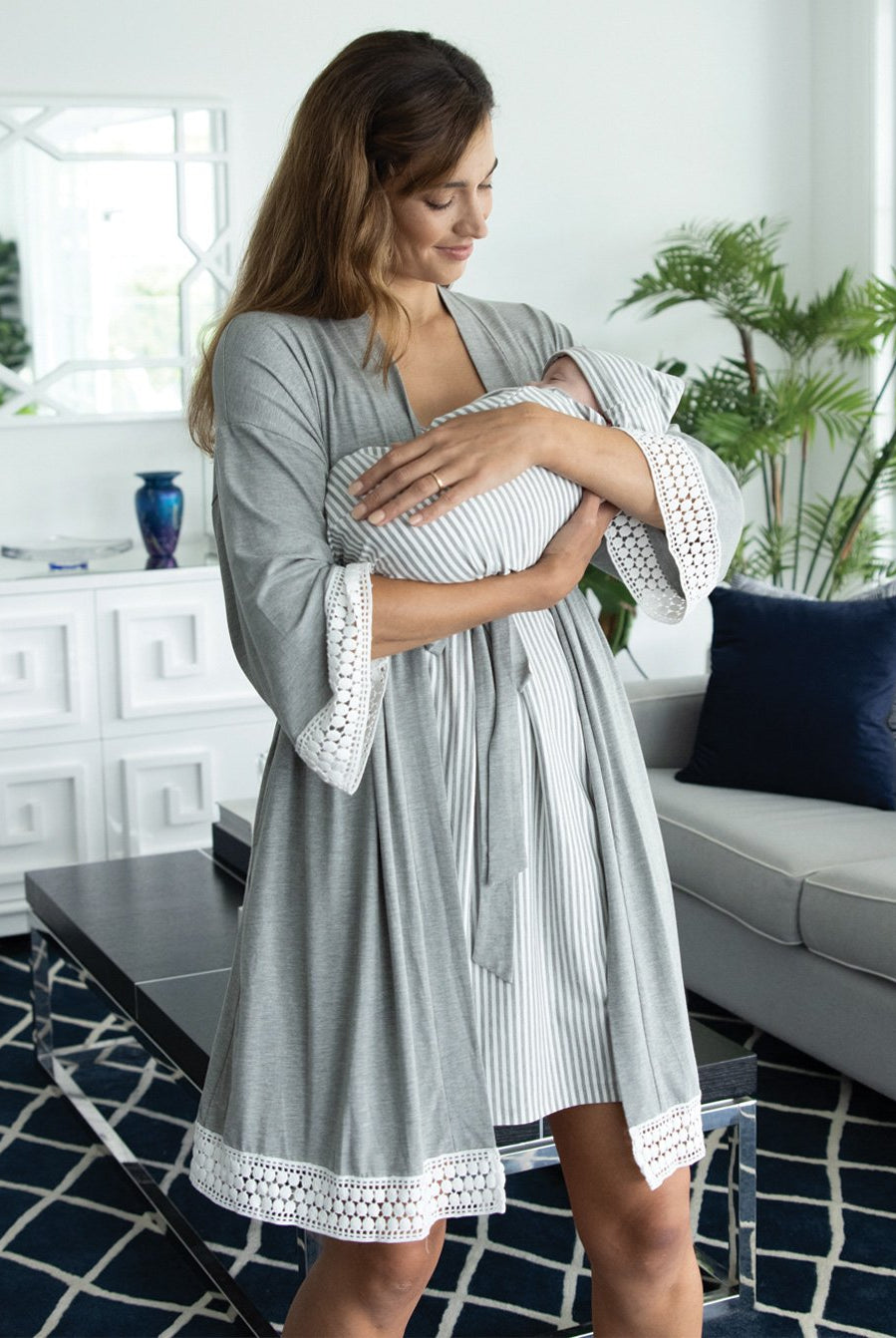

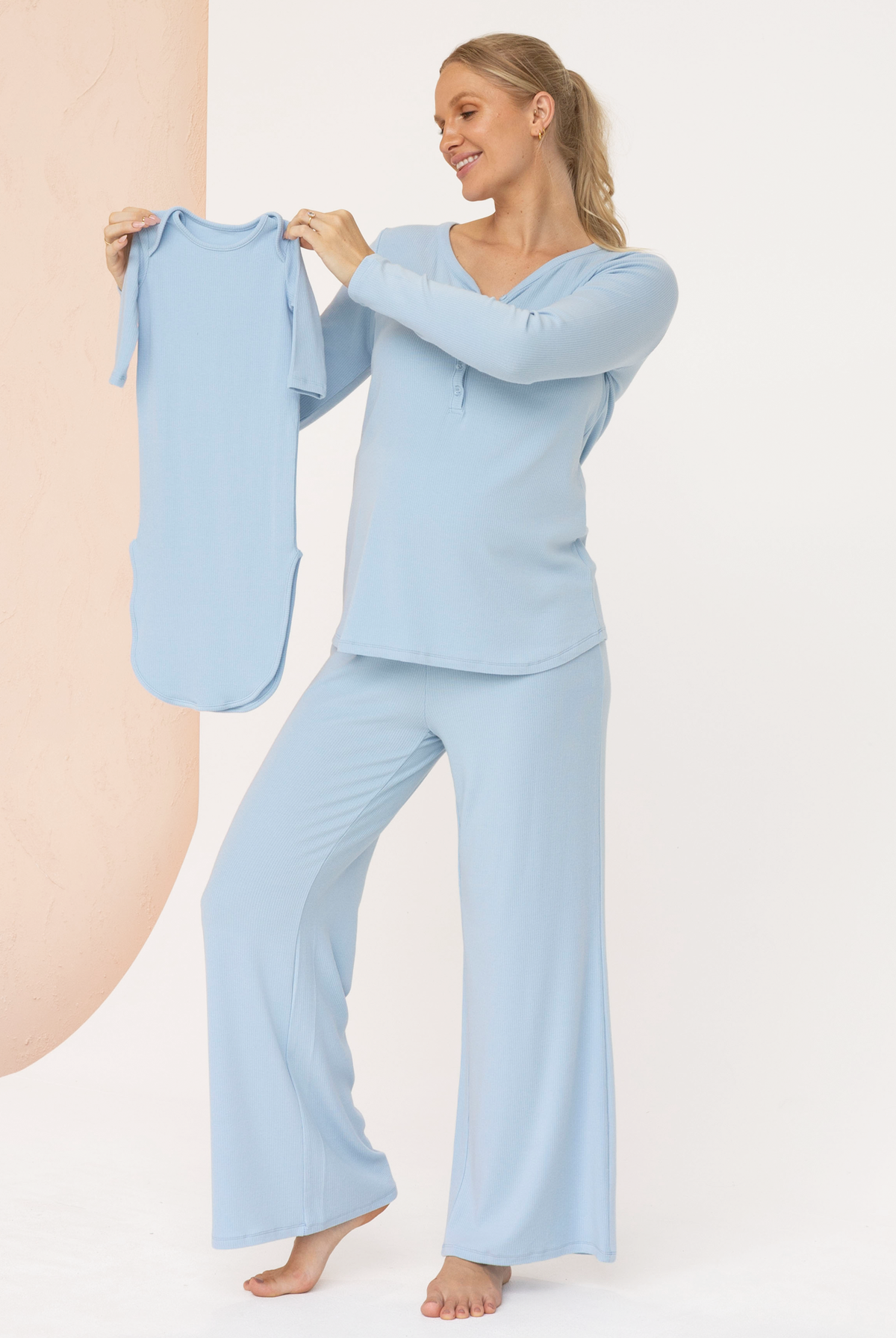

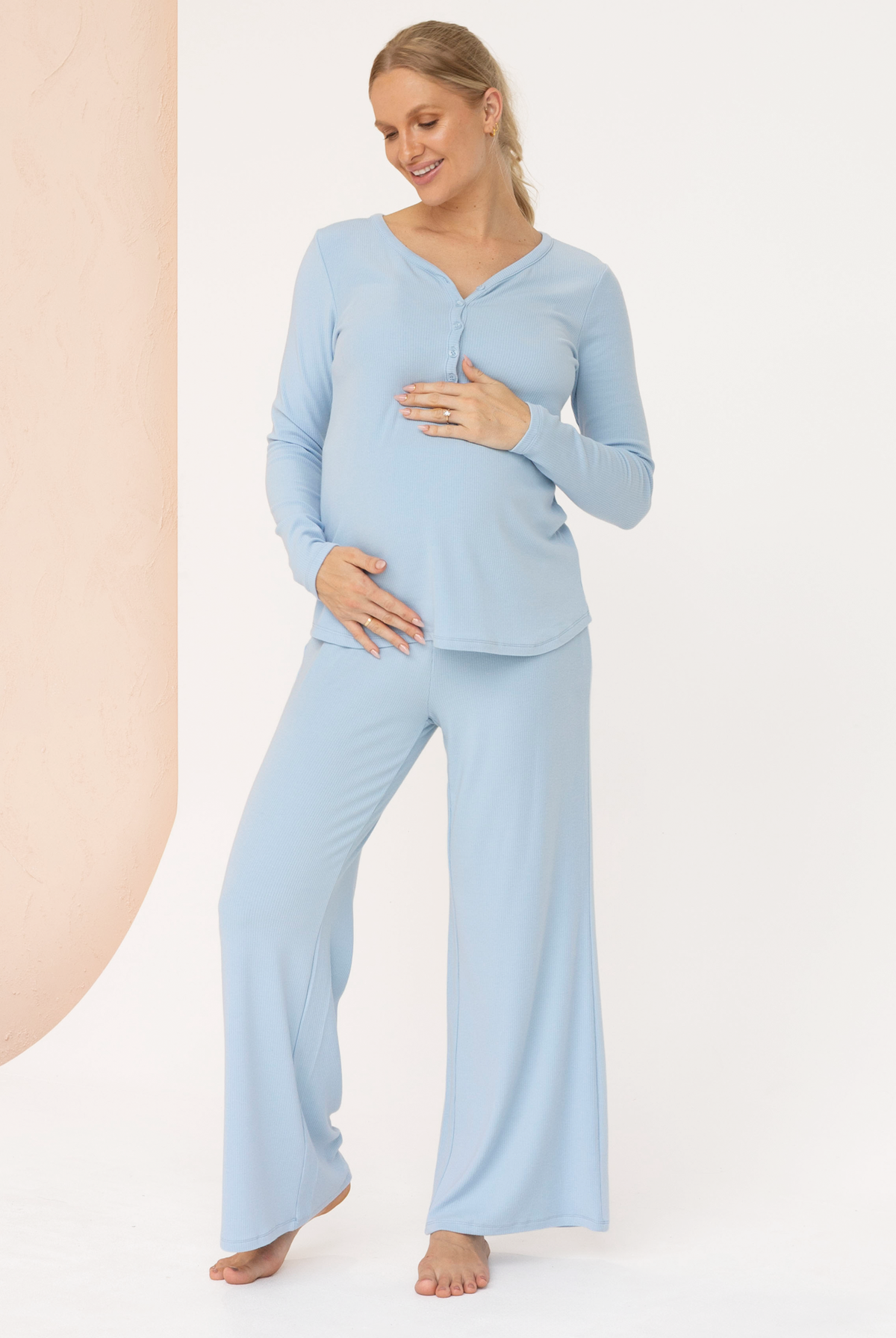
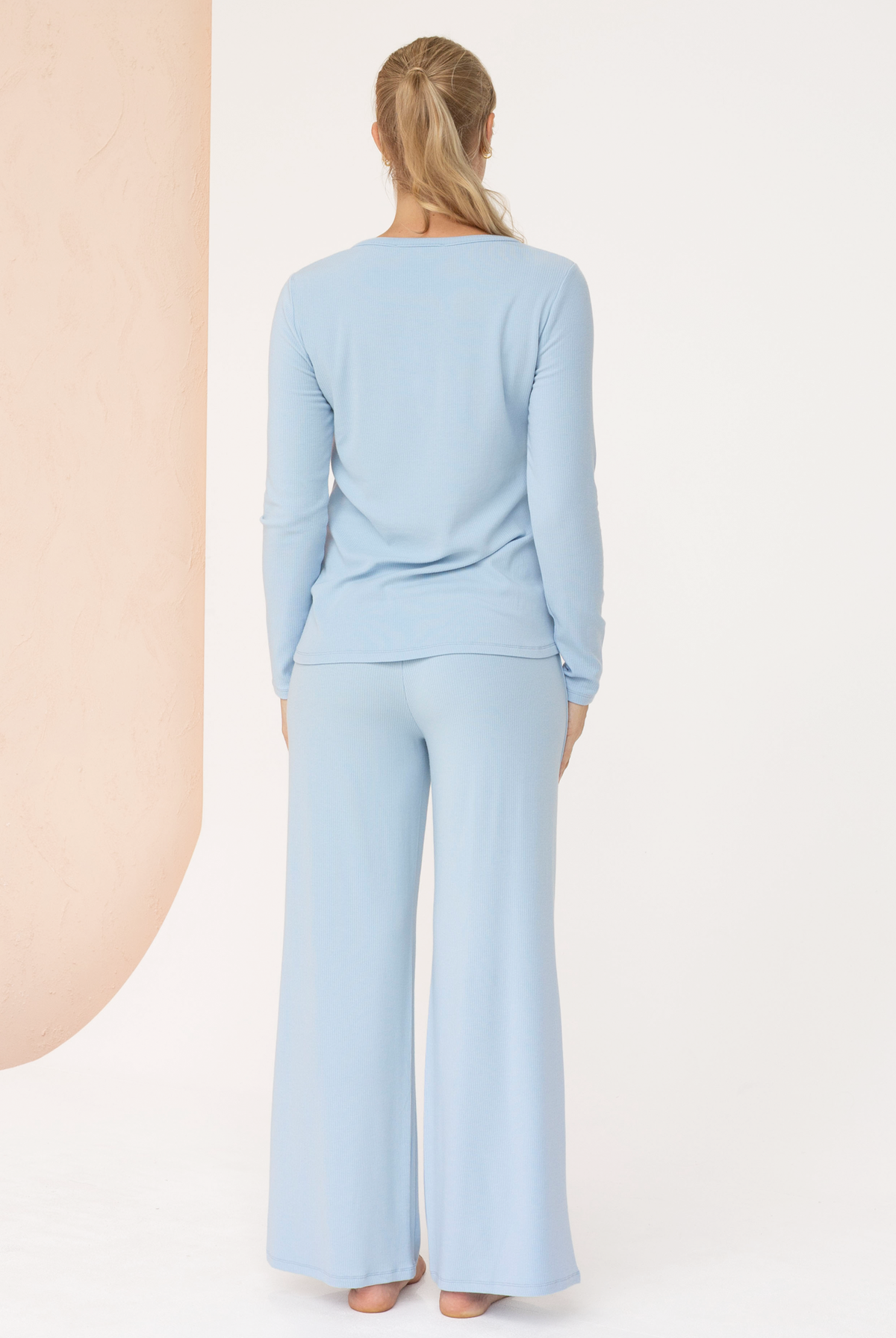


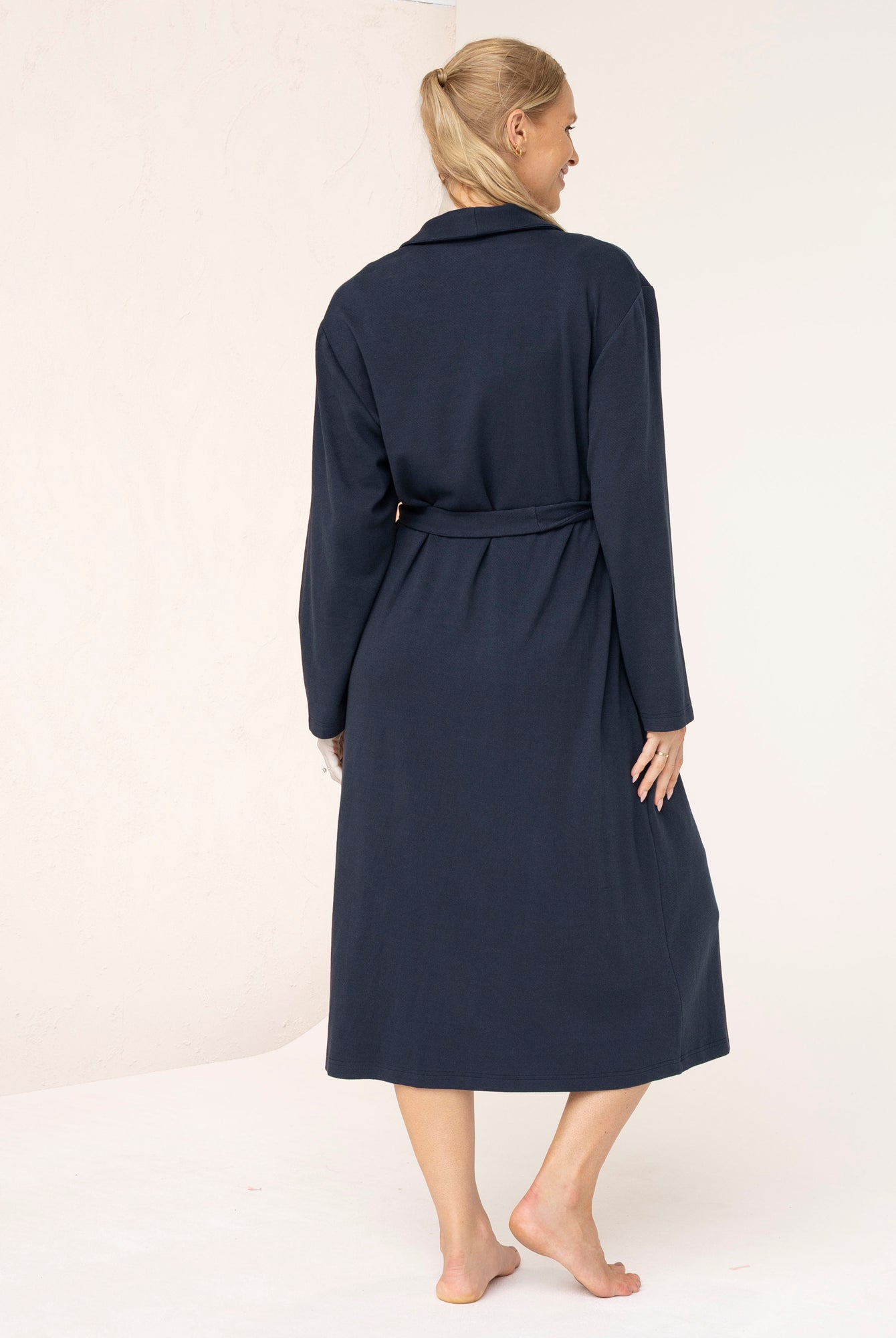
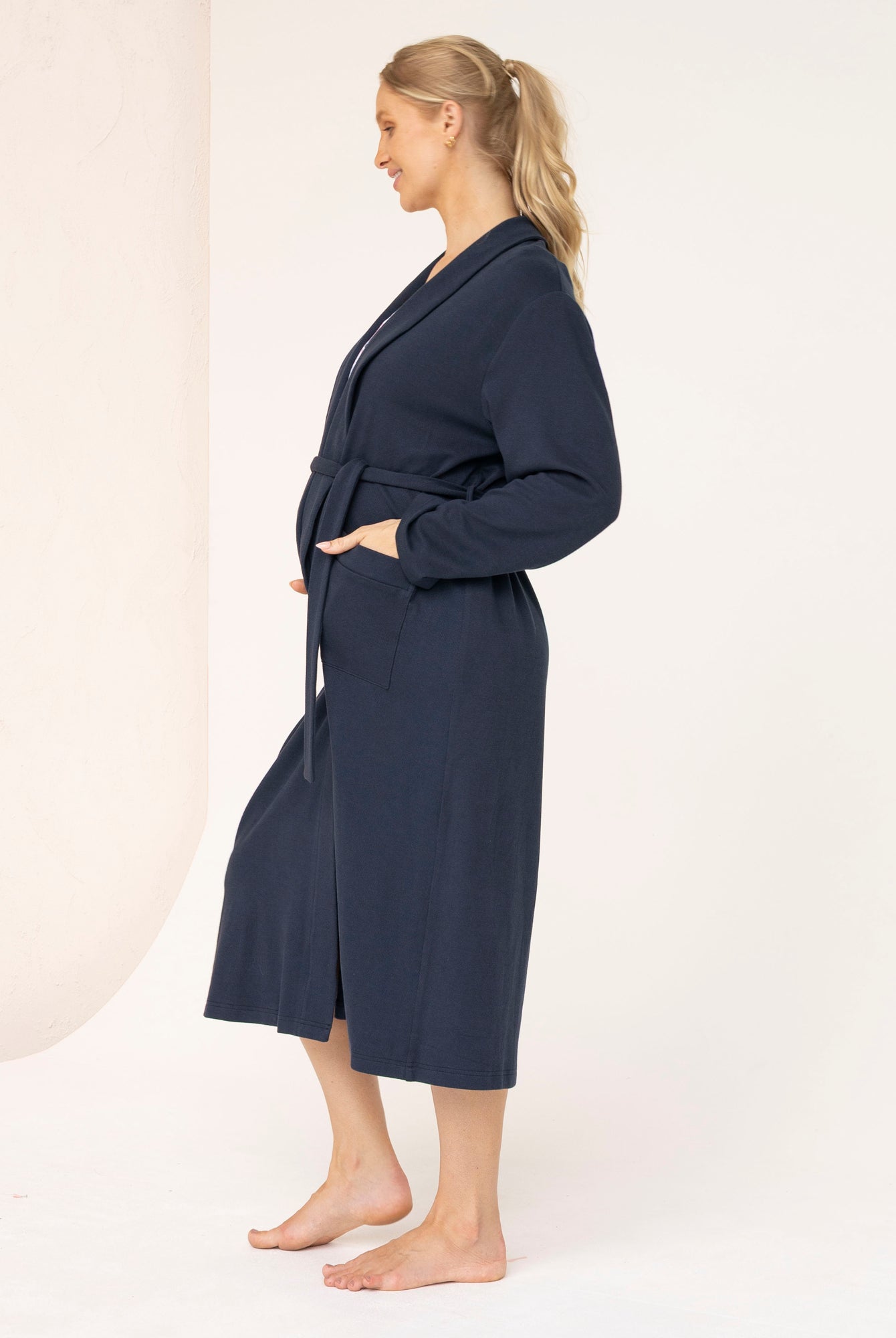
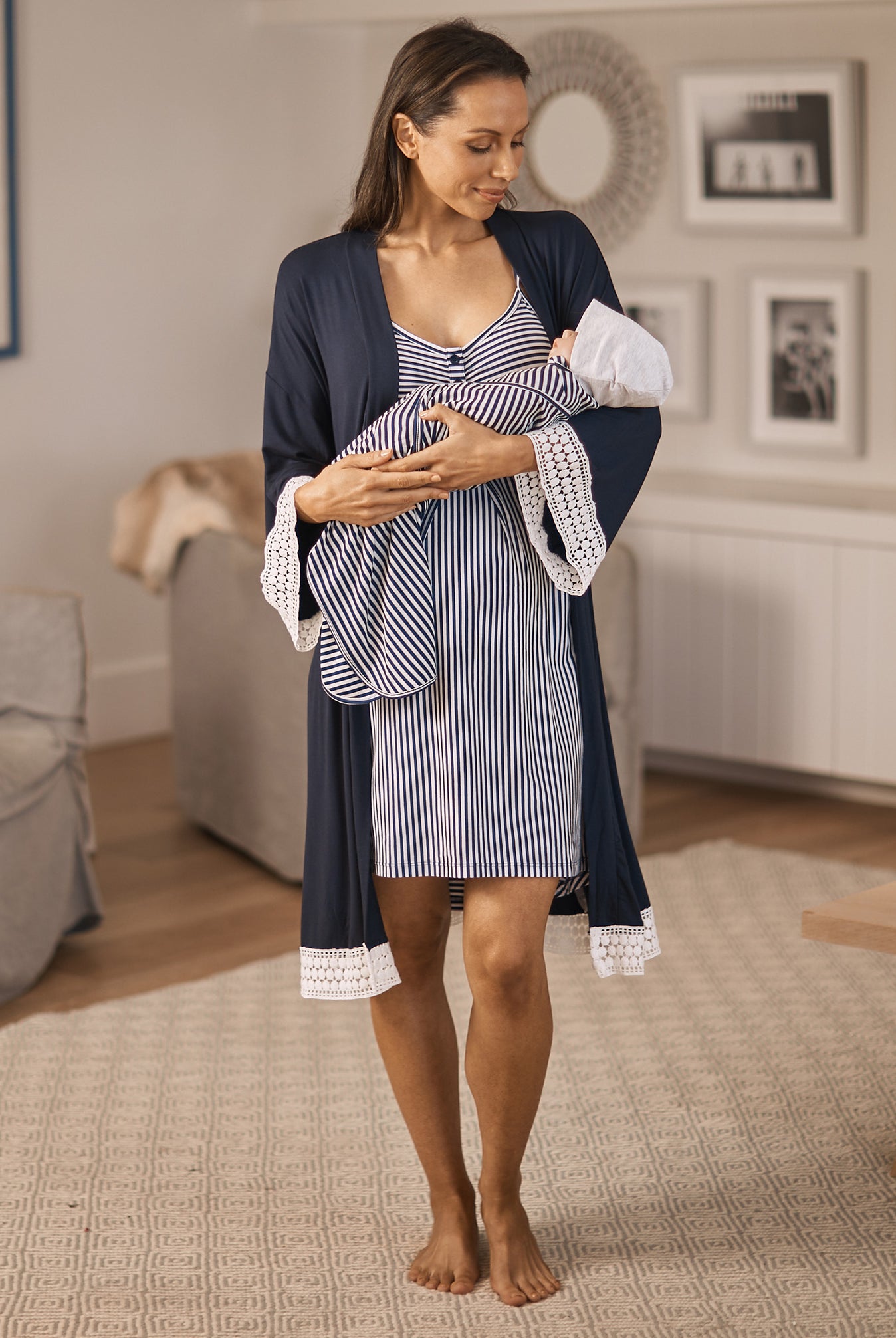
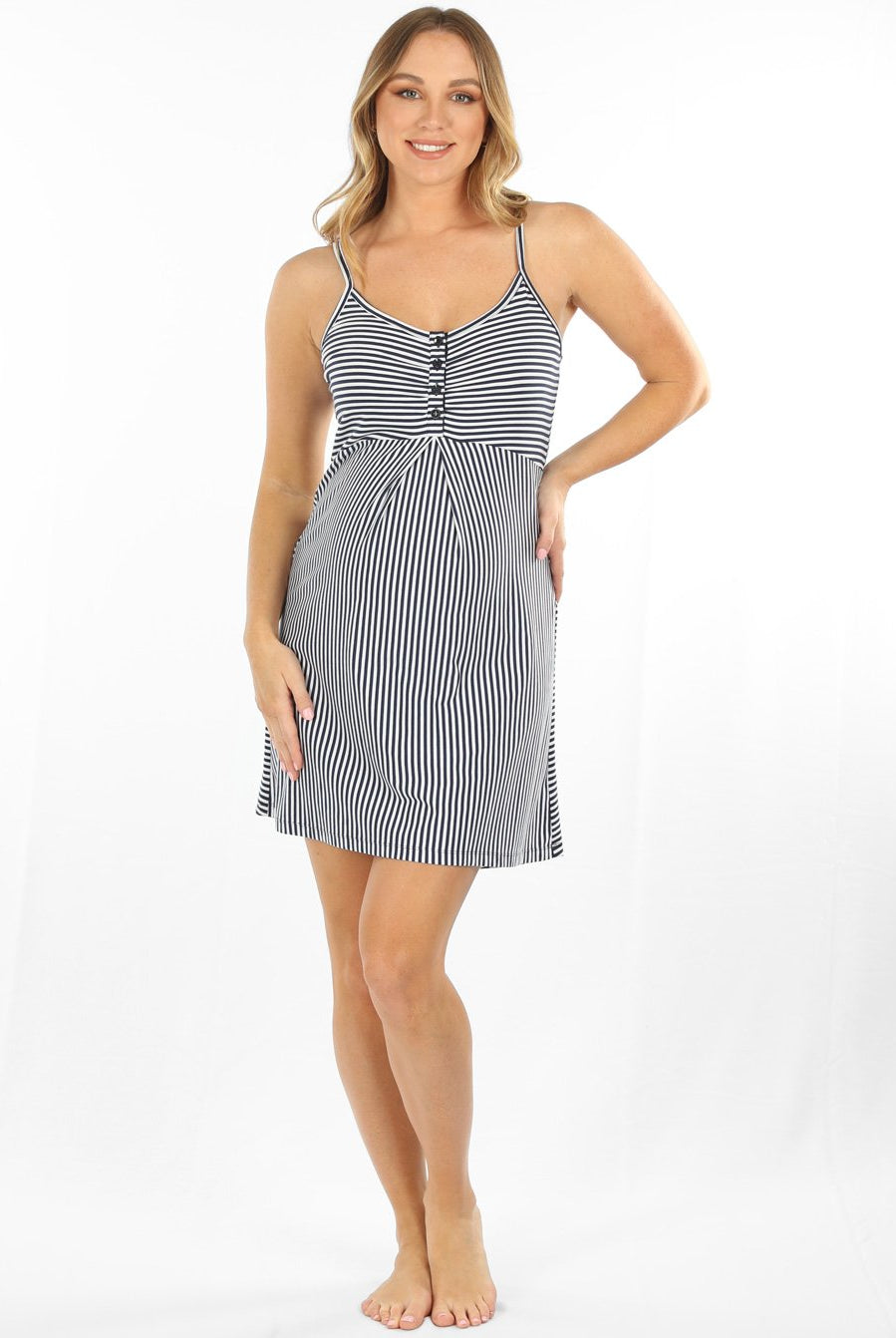
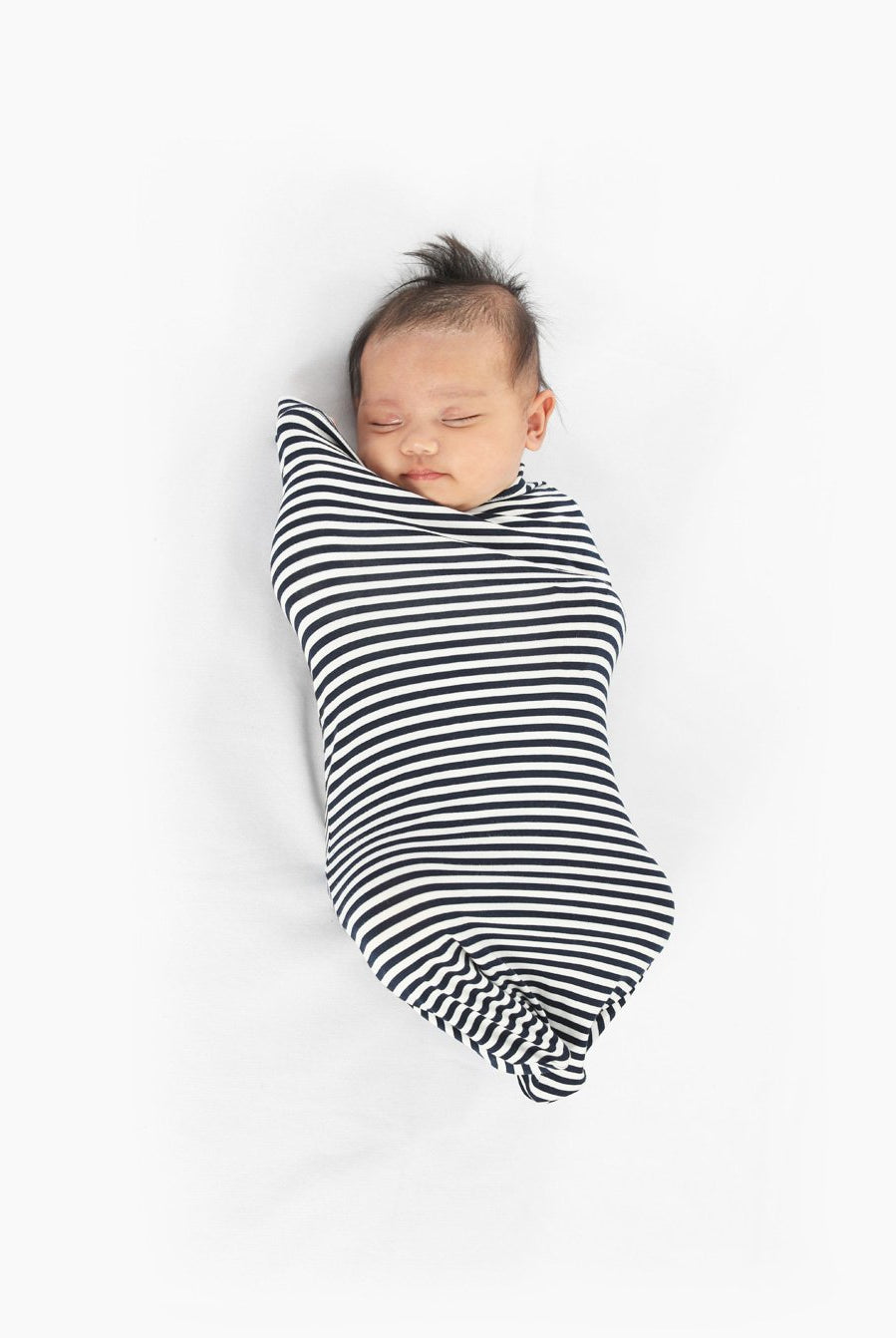
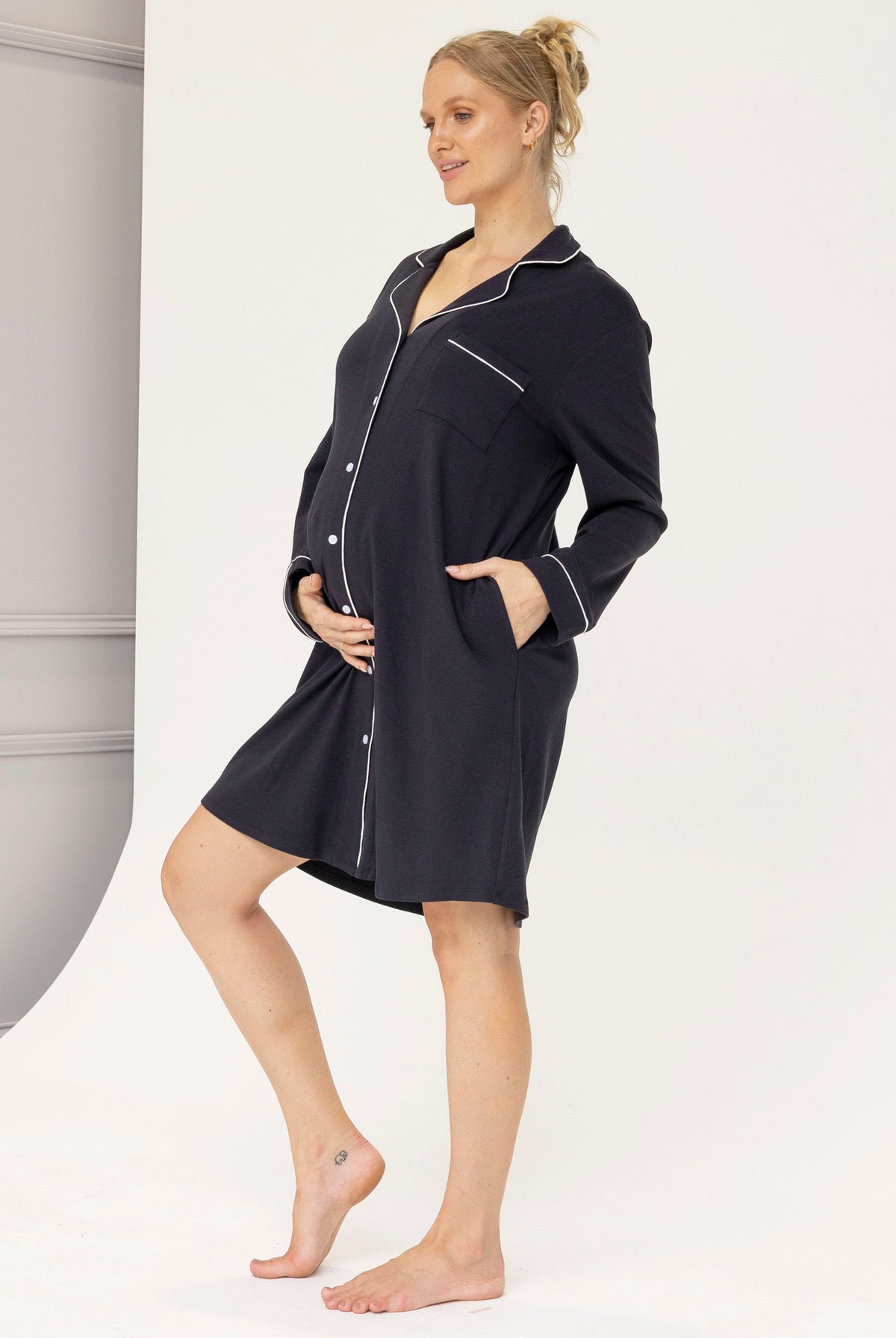
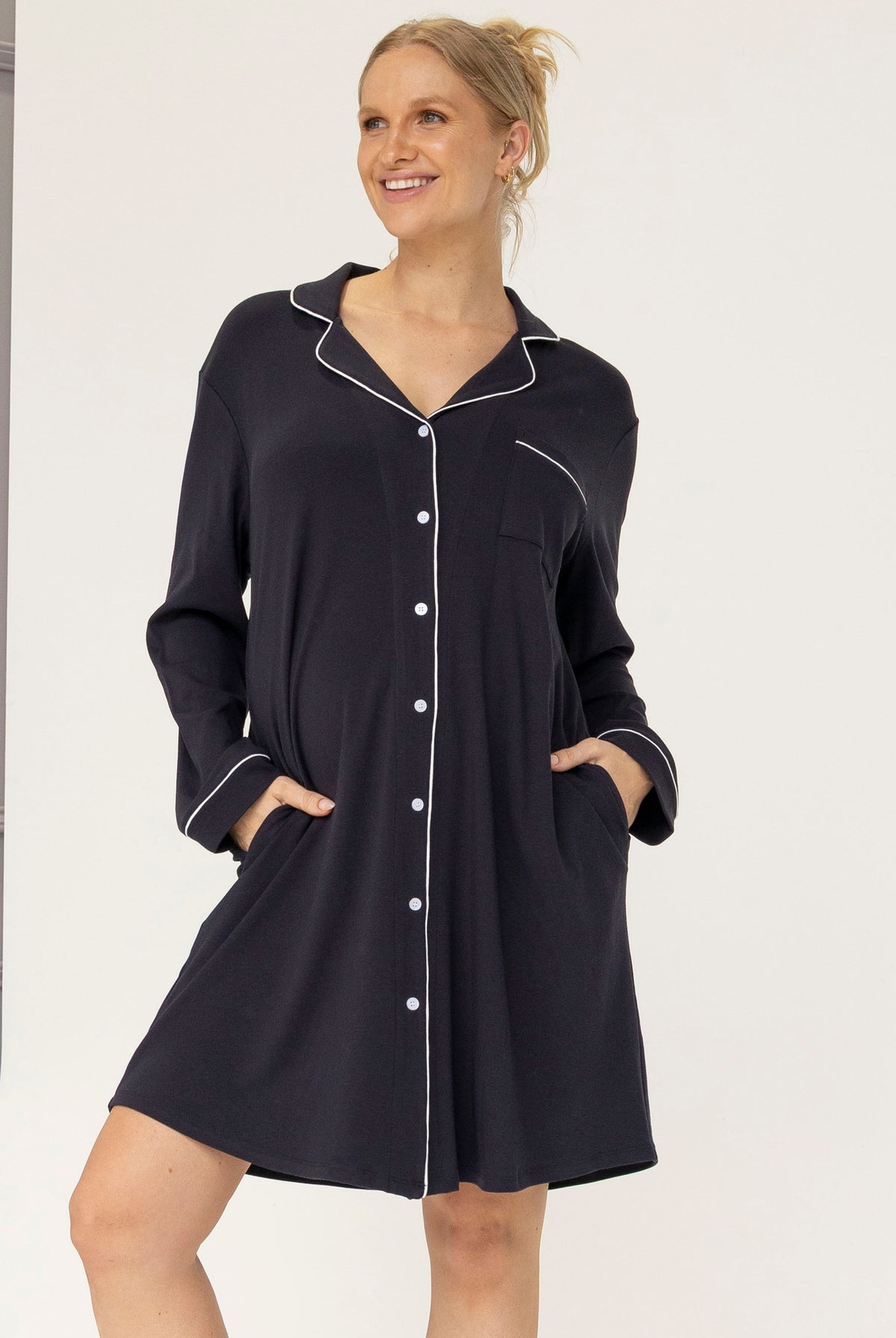
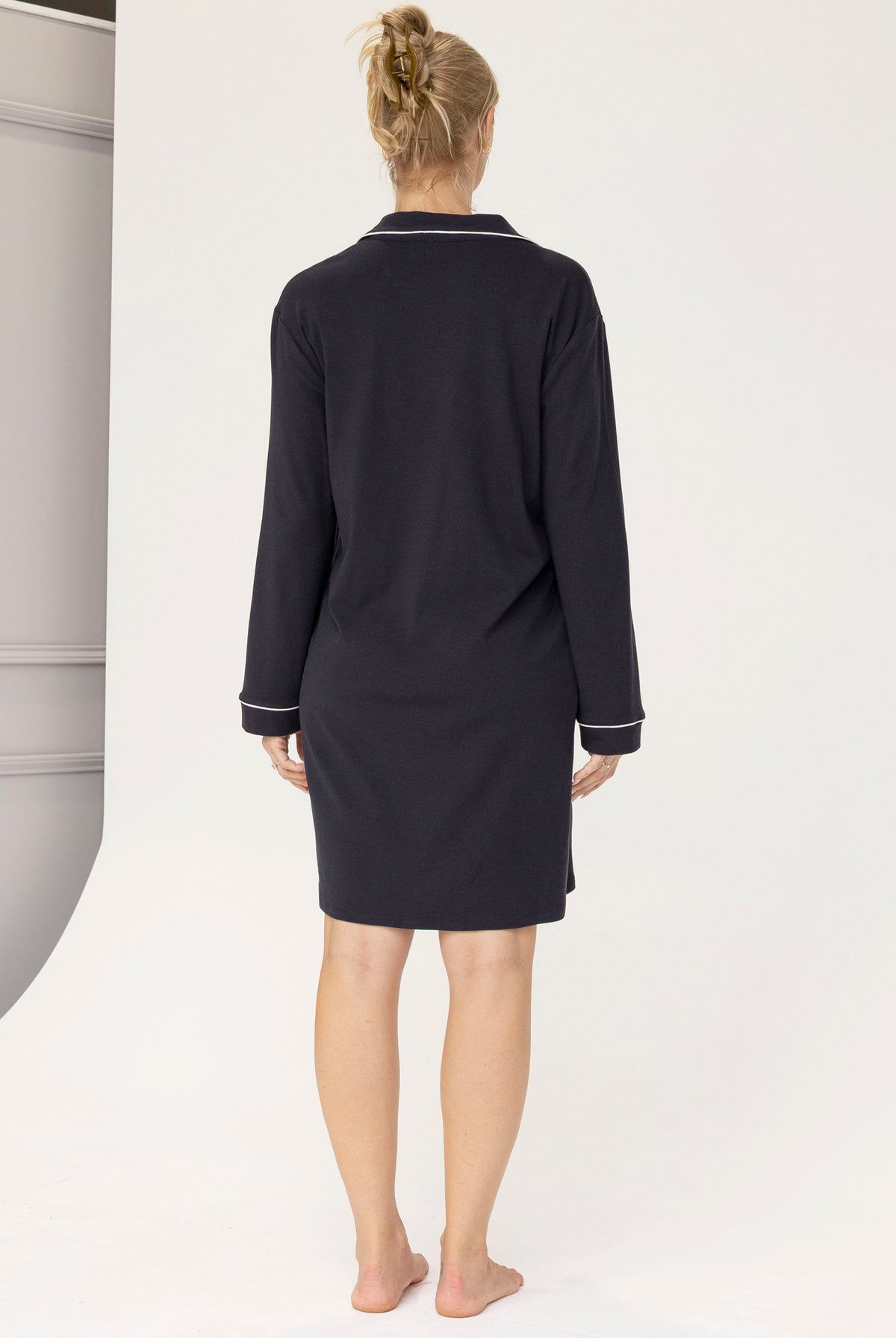



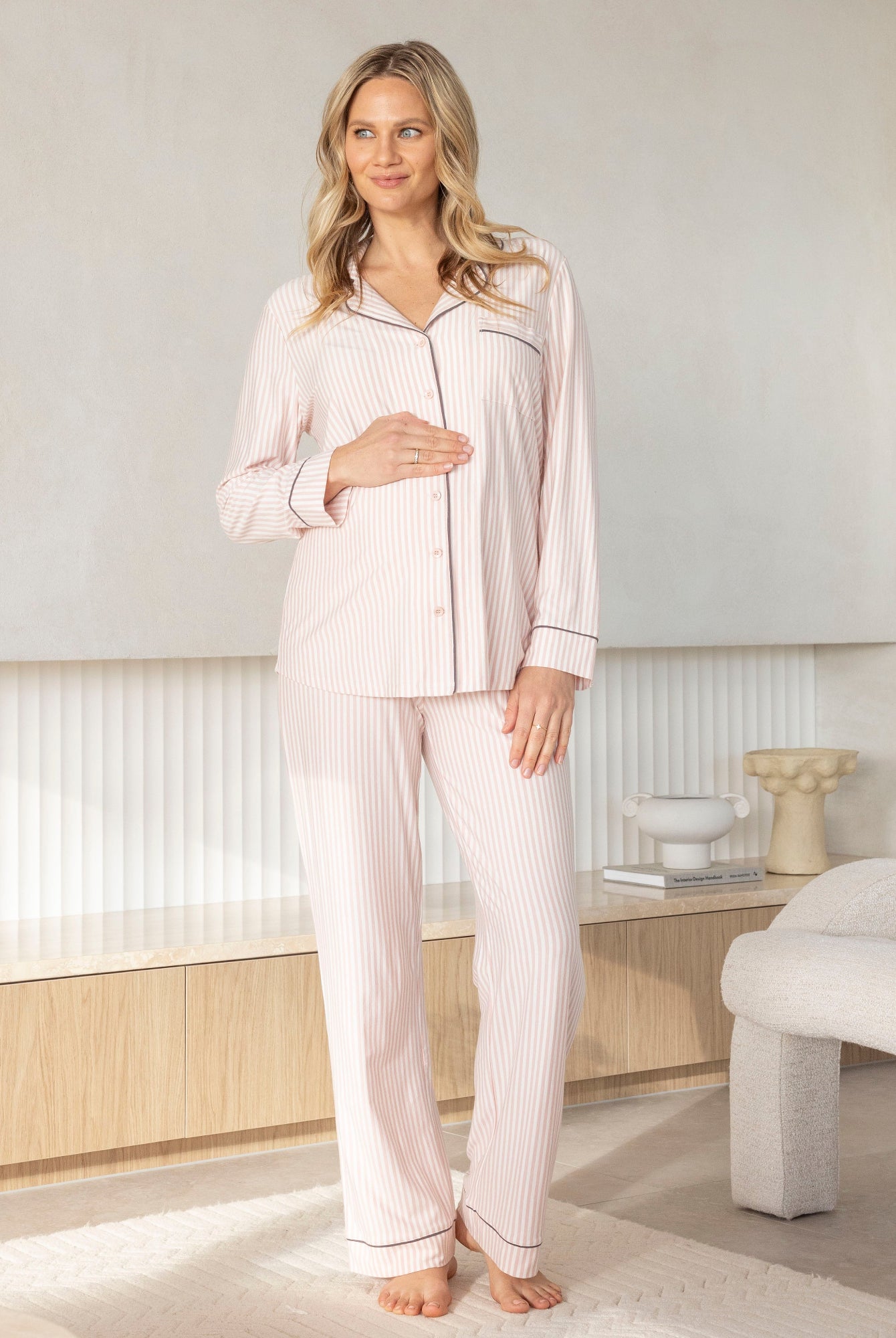
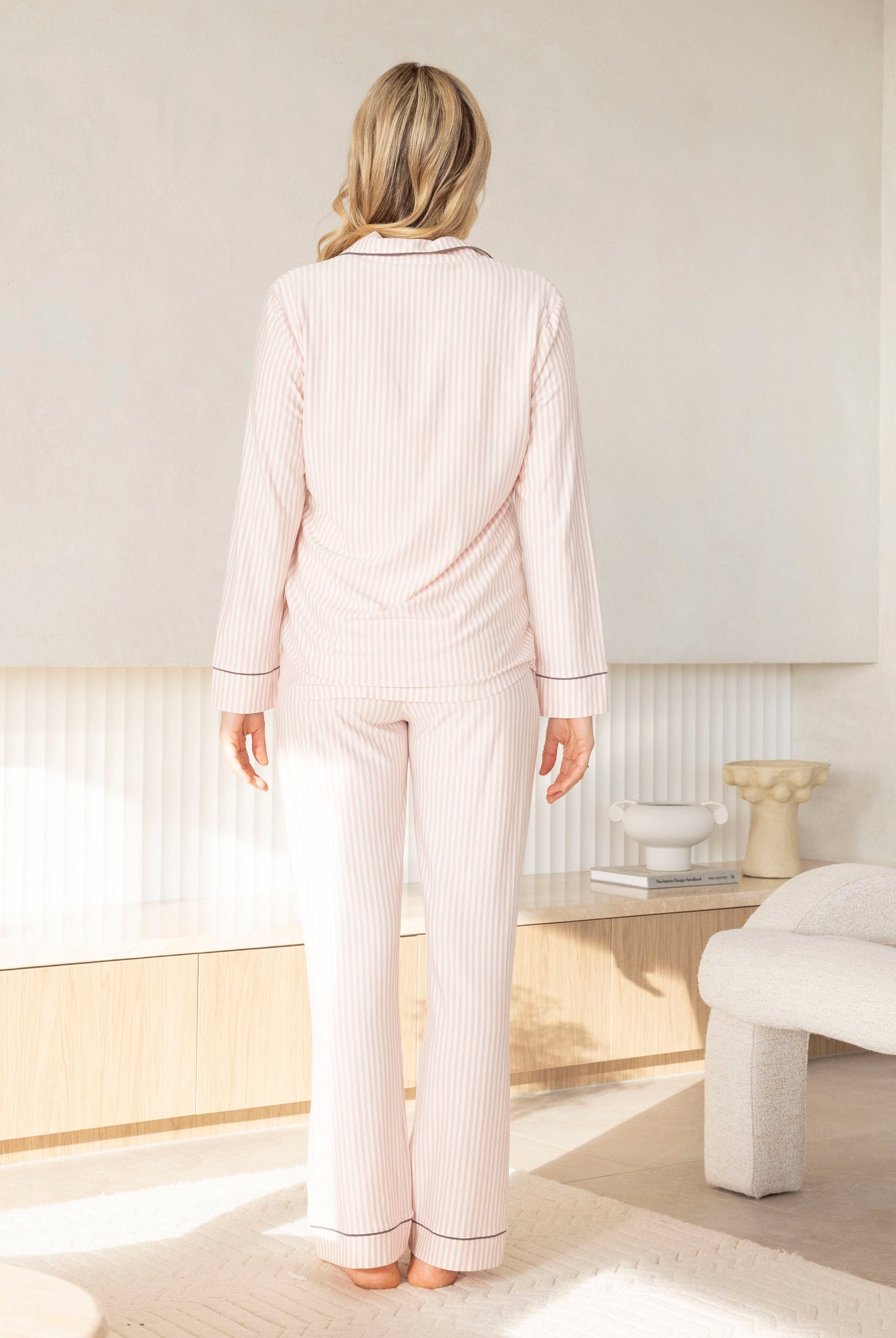
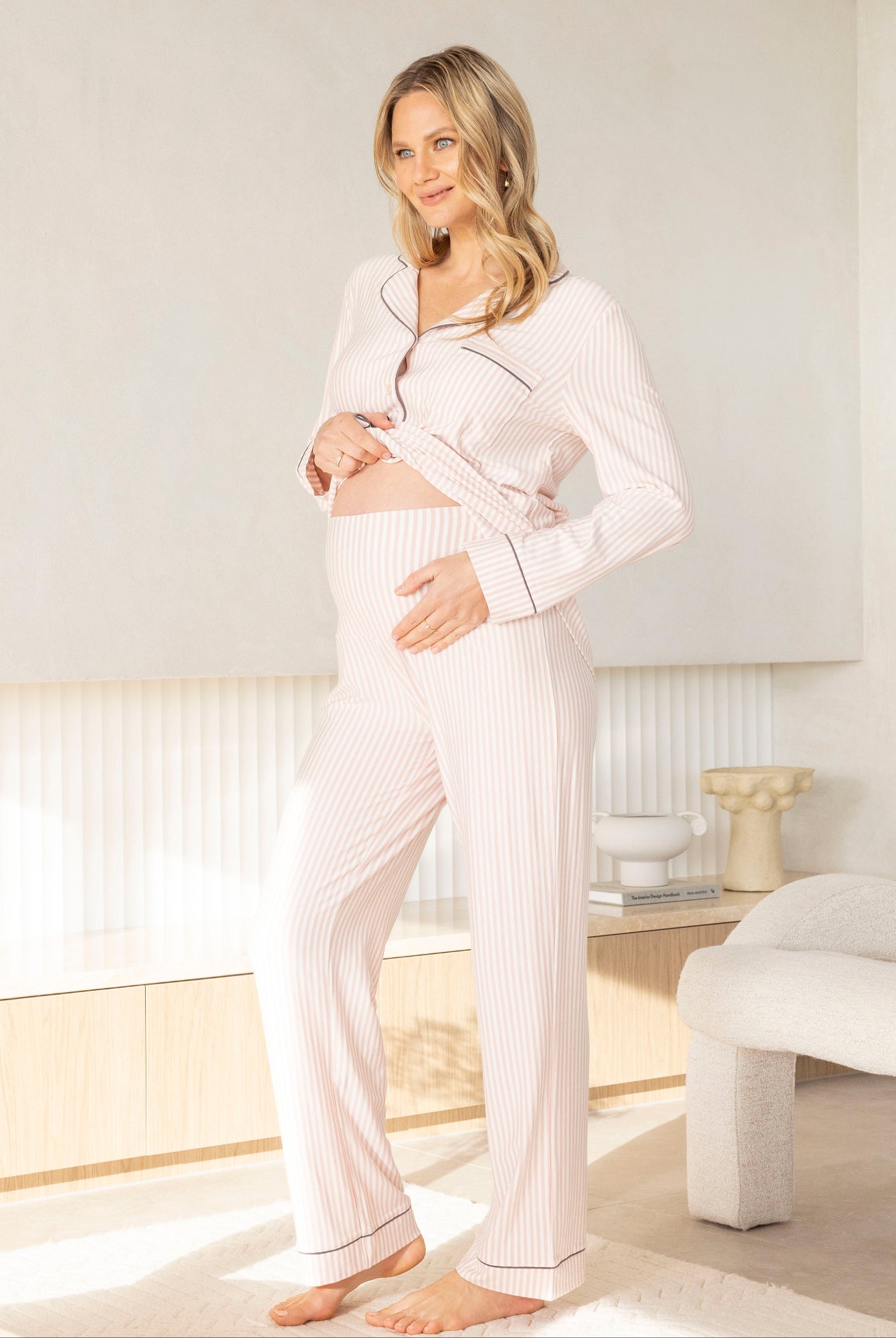
Maternity and Nursing Pajamas for the Months You Barely Sleep
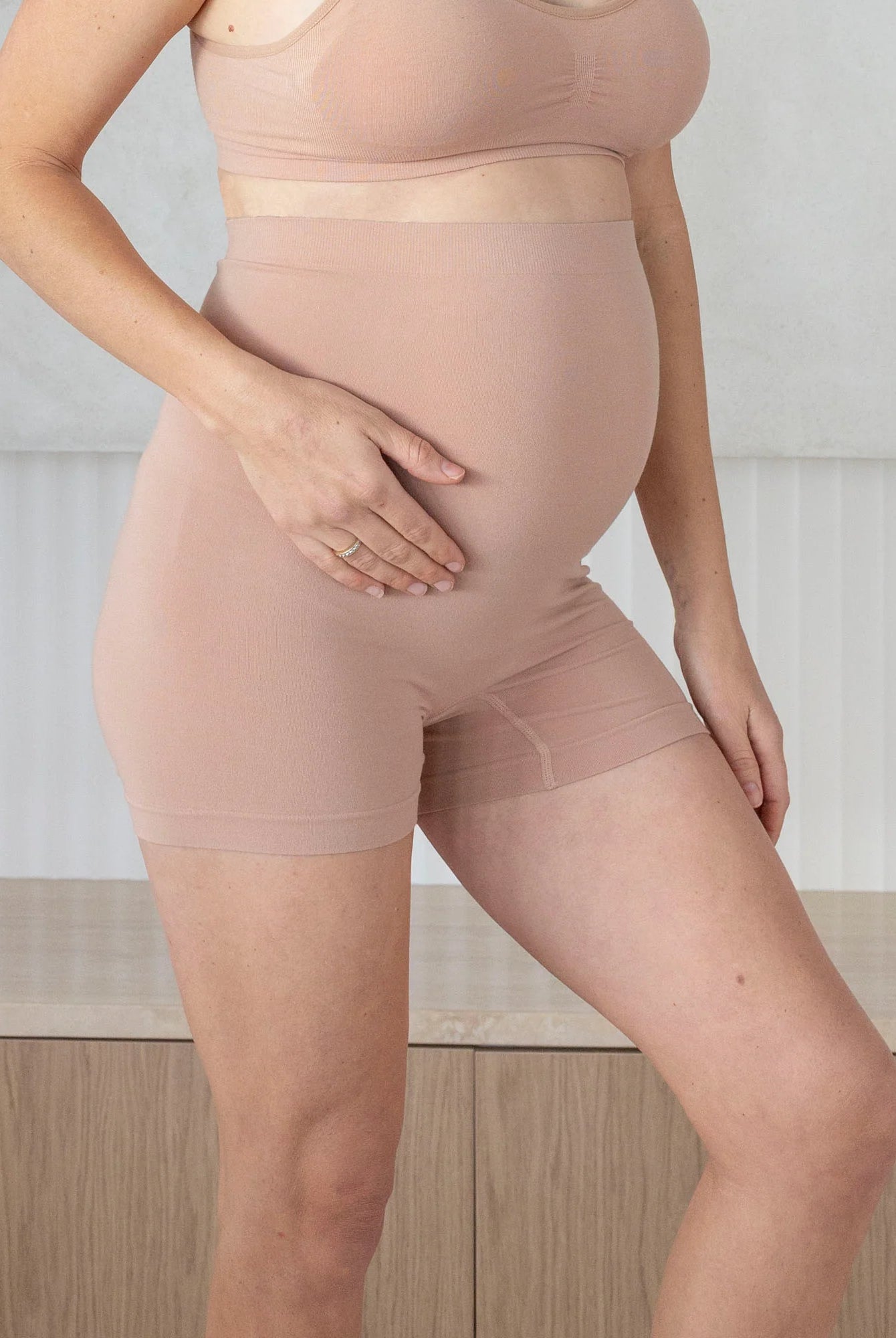
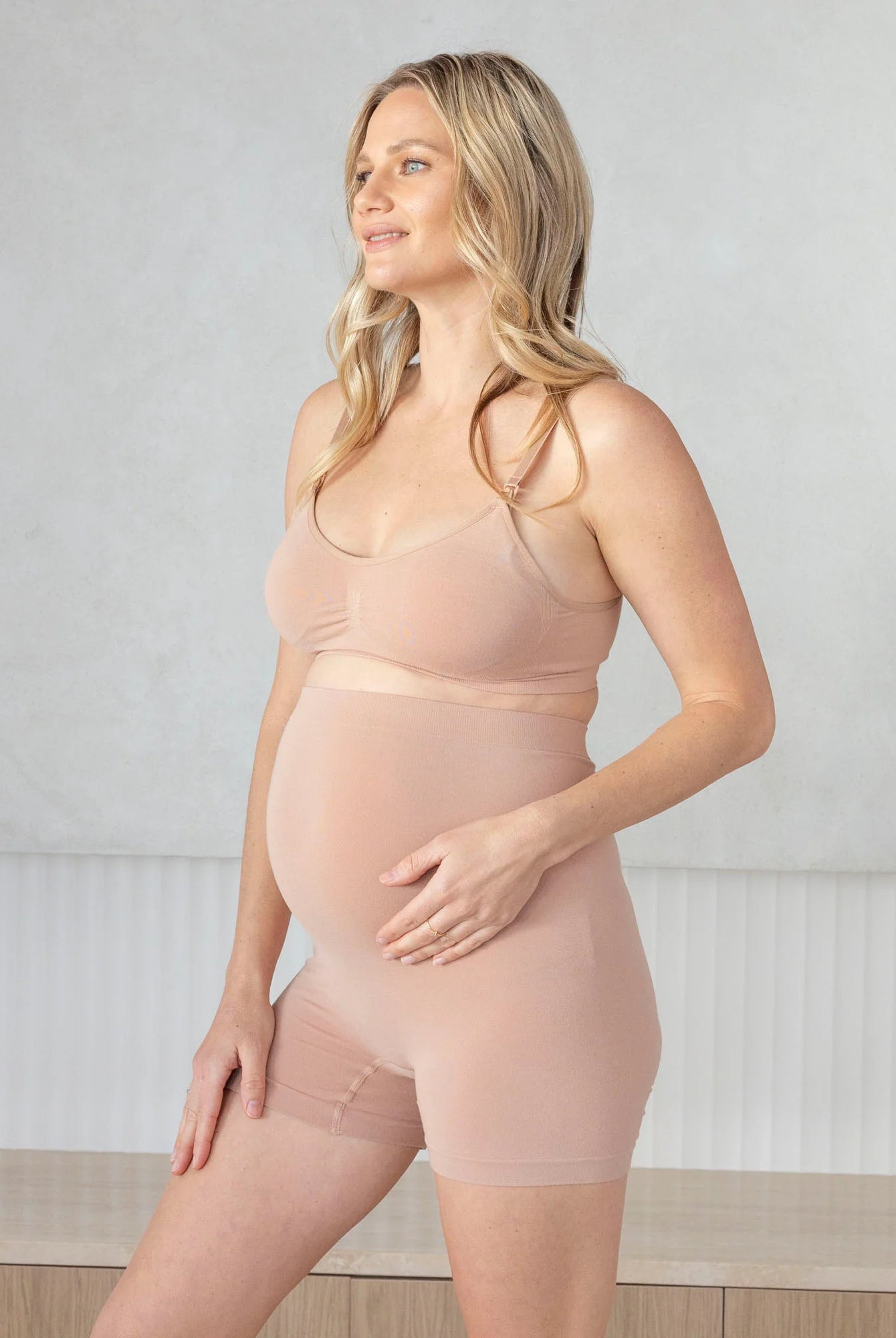
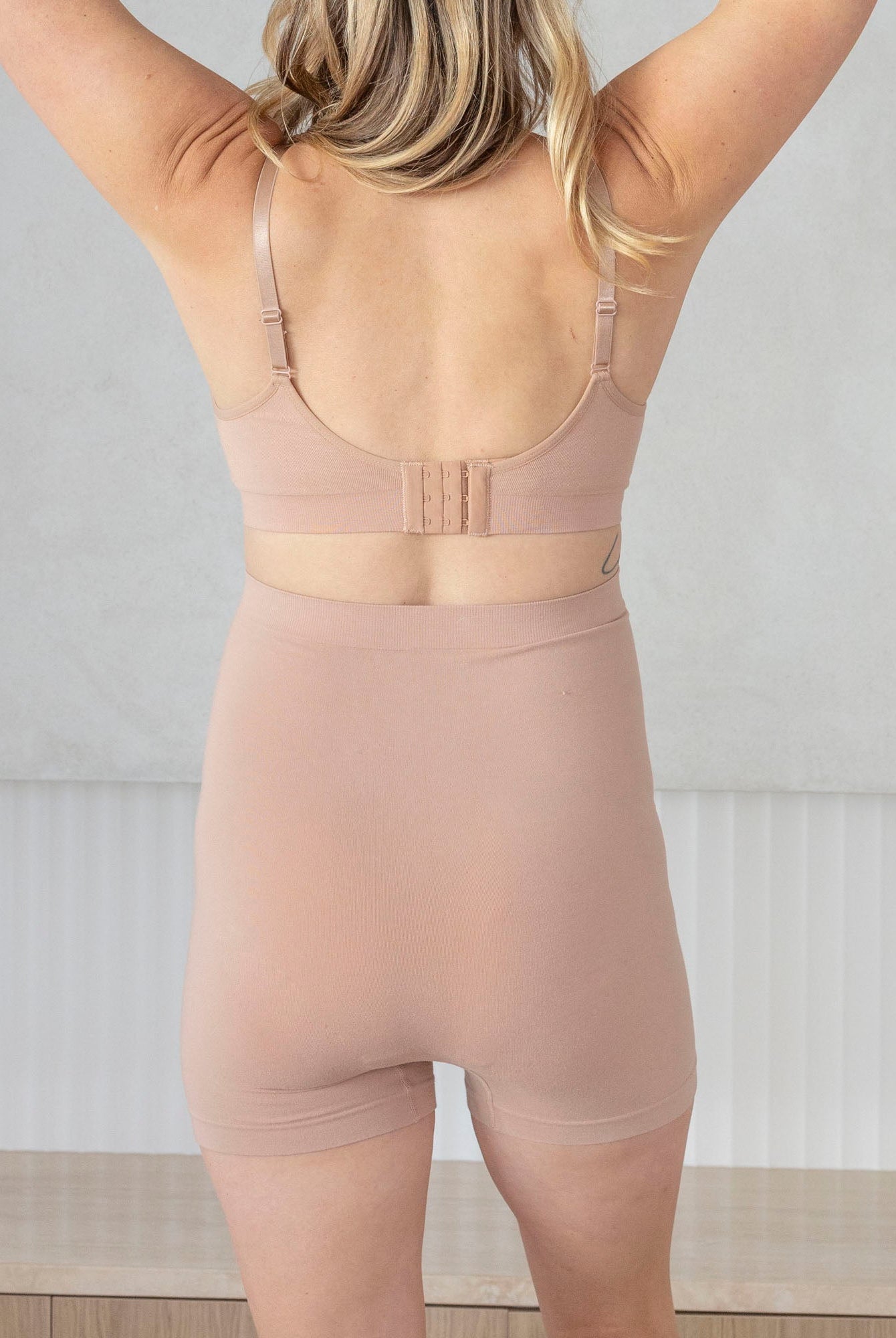
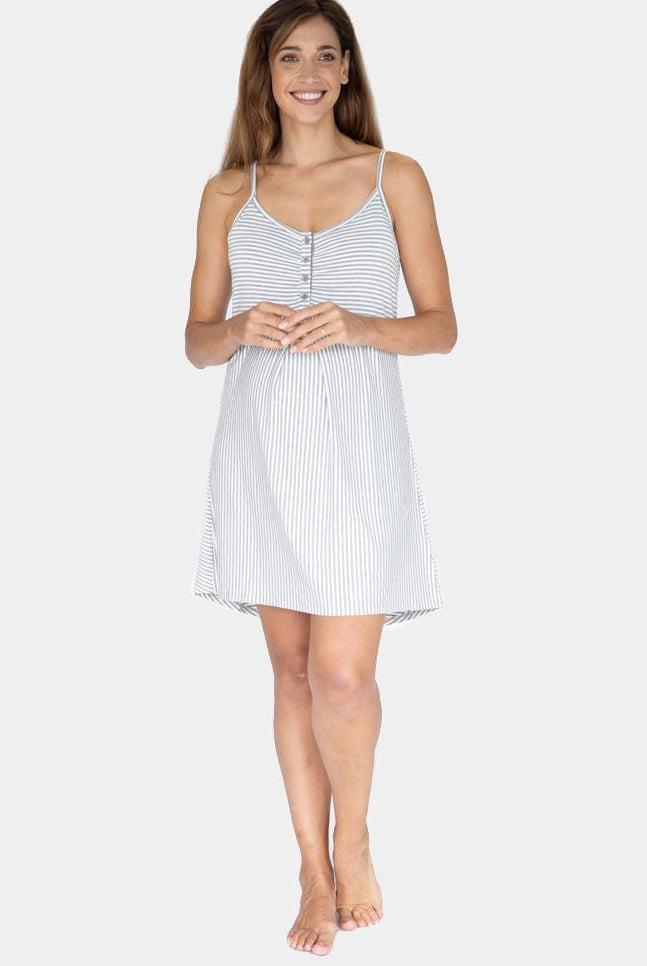
Sleepwear stops being an afterthought the moment you are up four times a night. What you wear to bed has to survive night sweats in the third trimester, hospital, feeding at 3am and a body that is a different shape every few weeks. This collection is 77 maternity and nursing pajamas, pajama sets, nighties and sleep separates in sizes XS through 3XL.
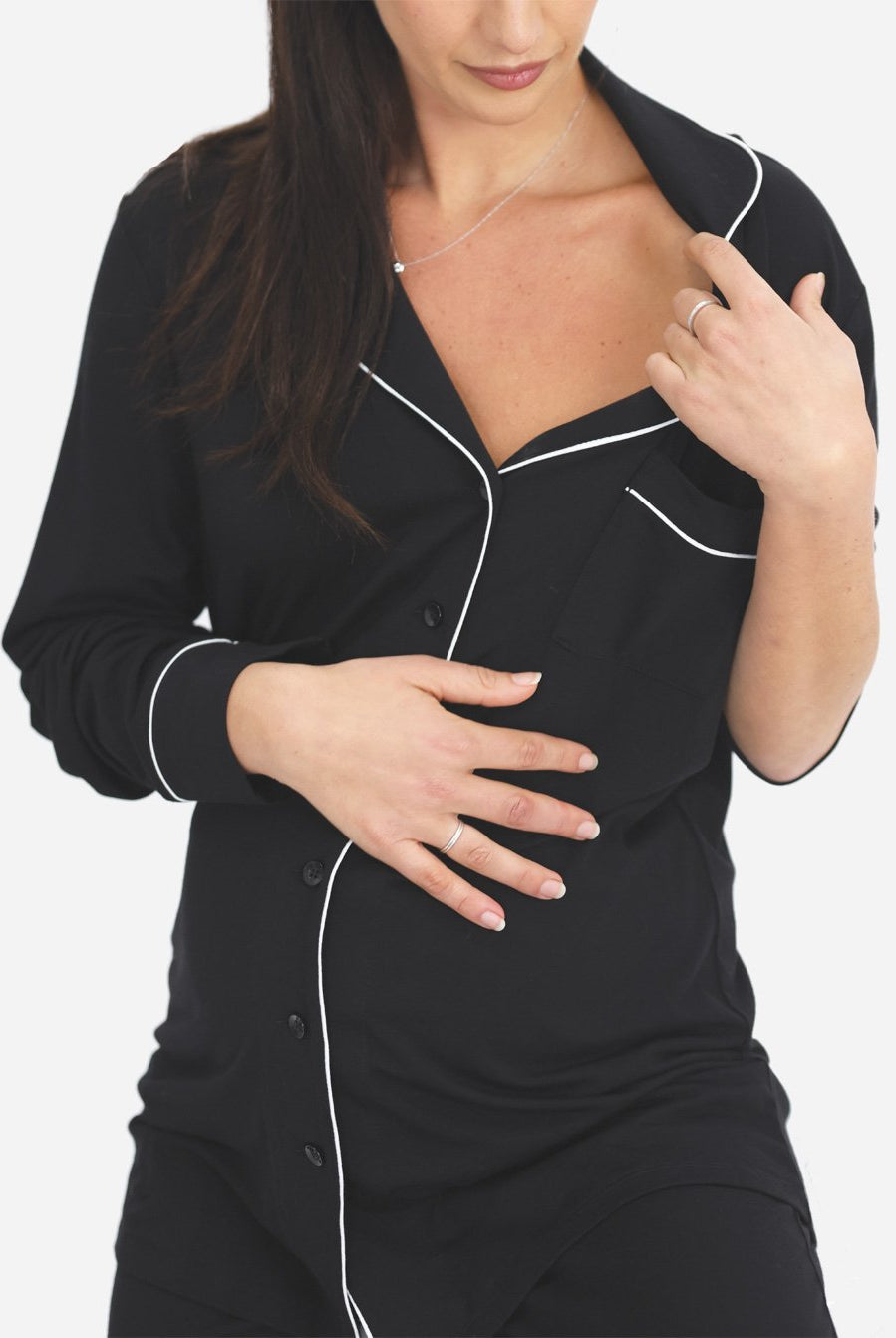
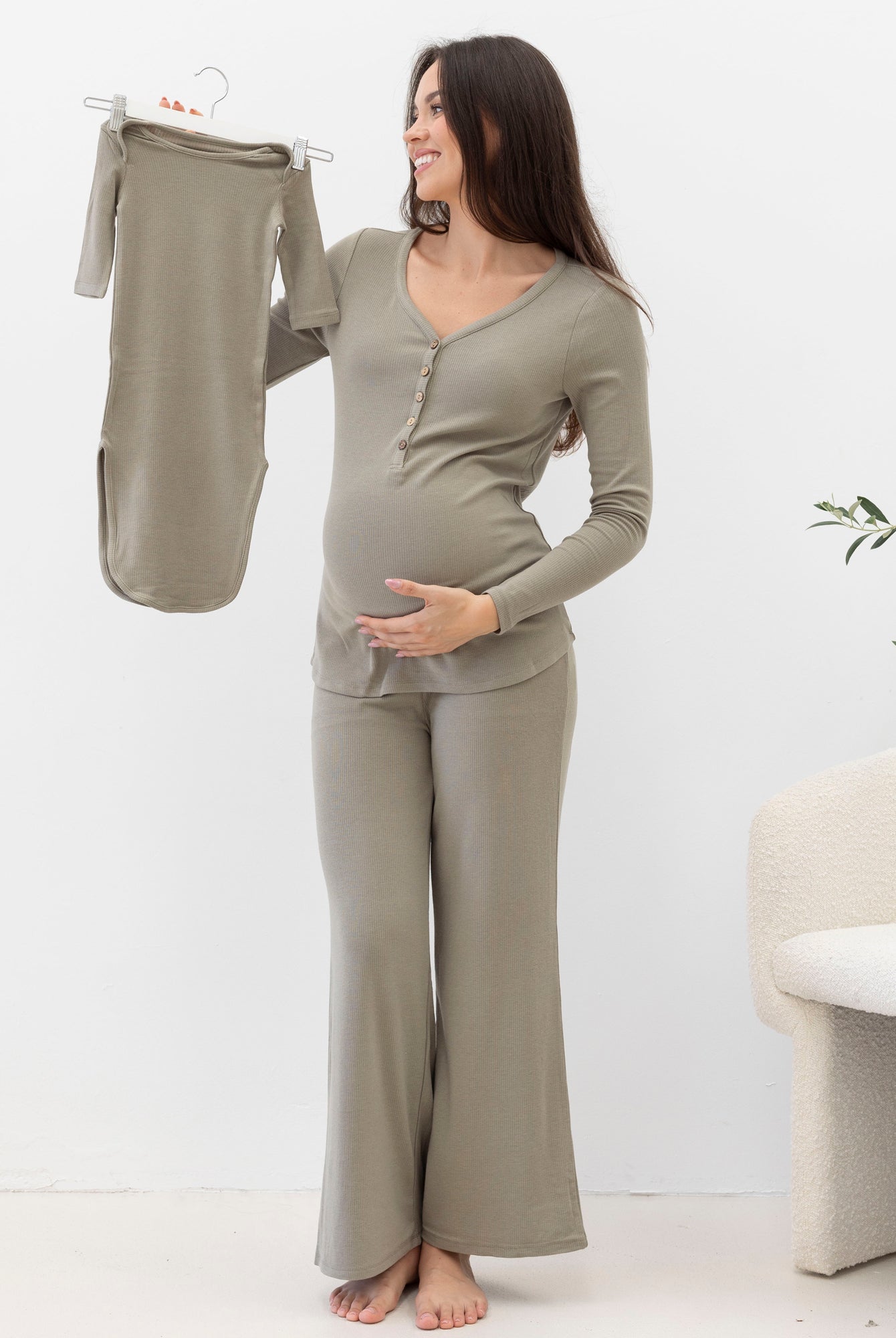
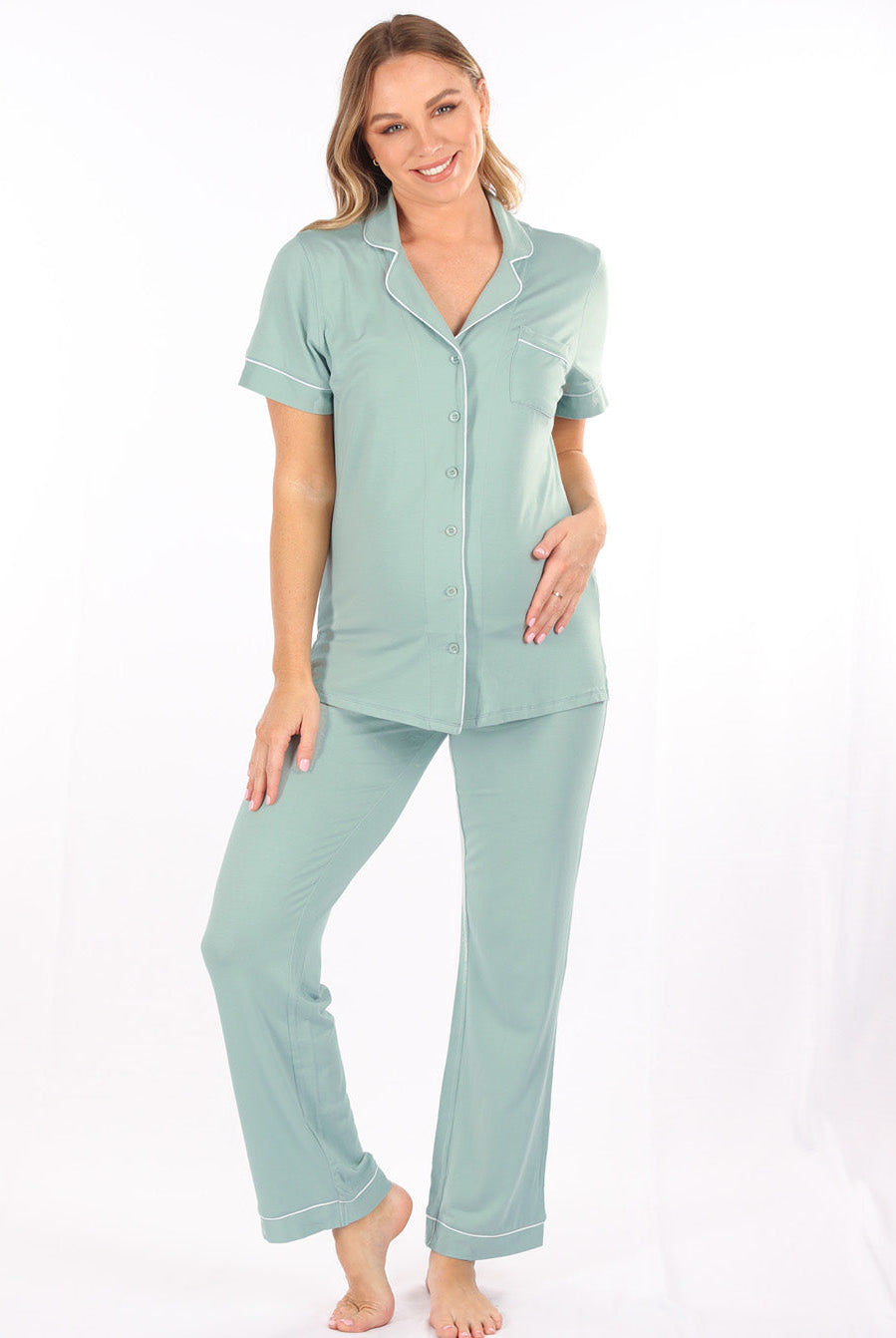
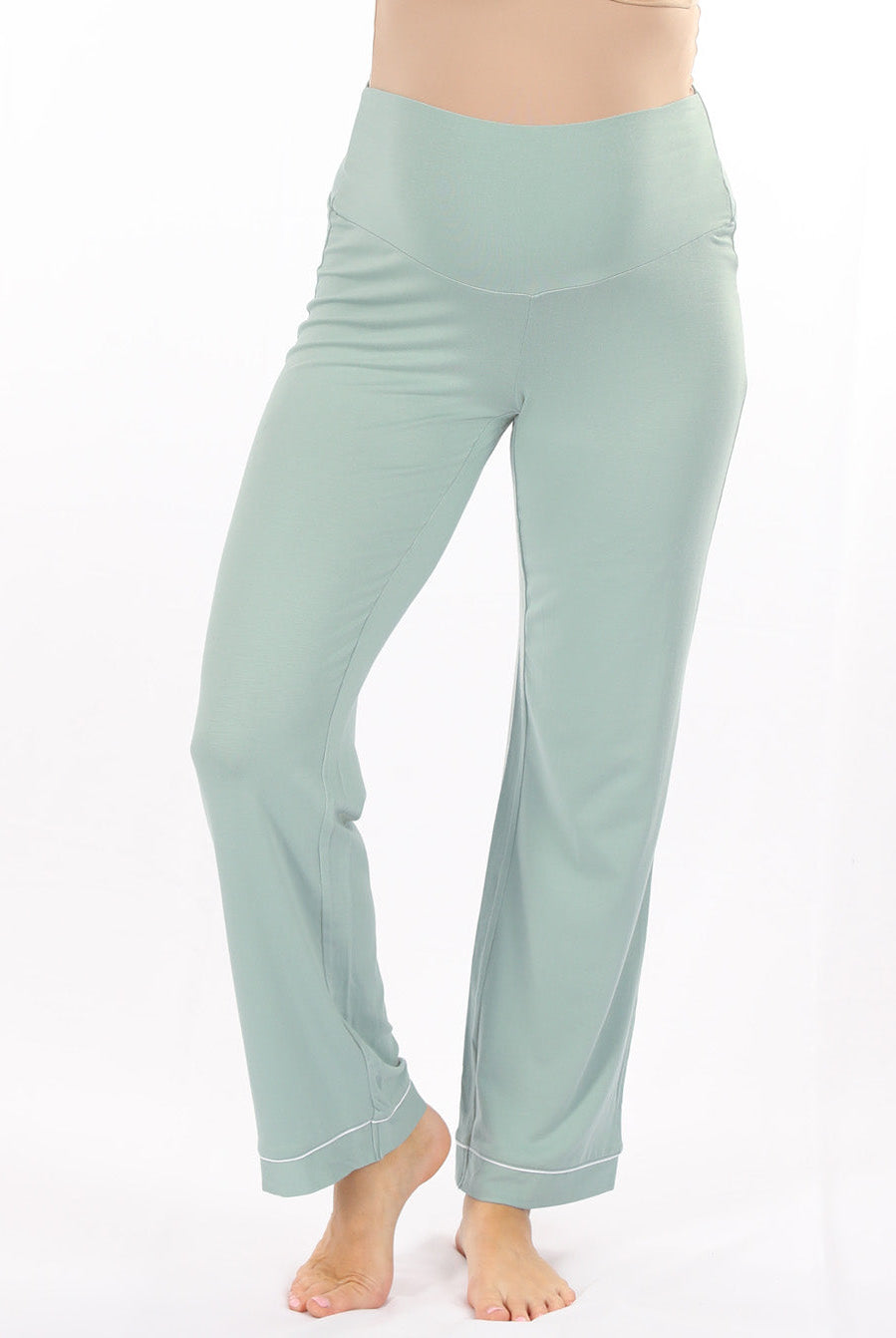
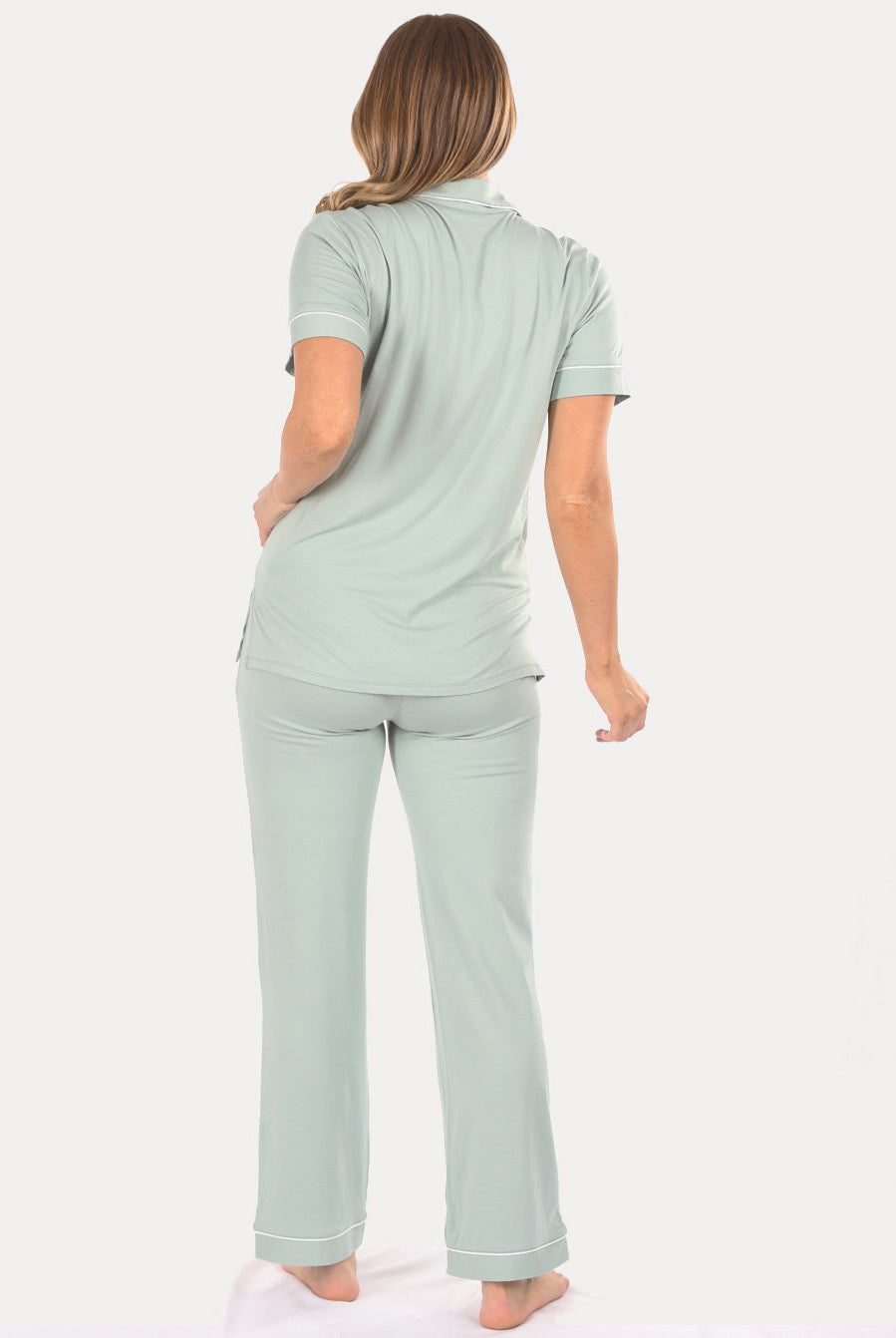
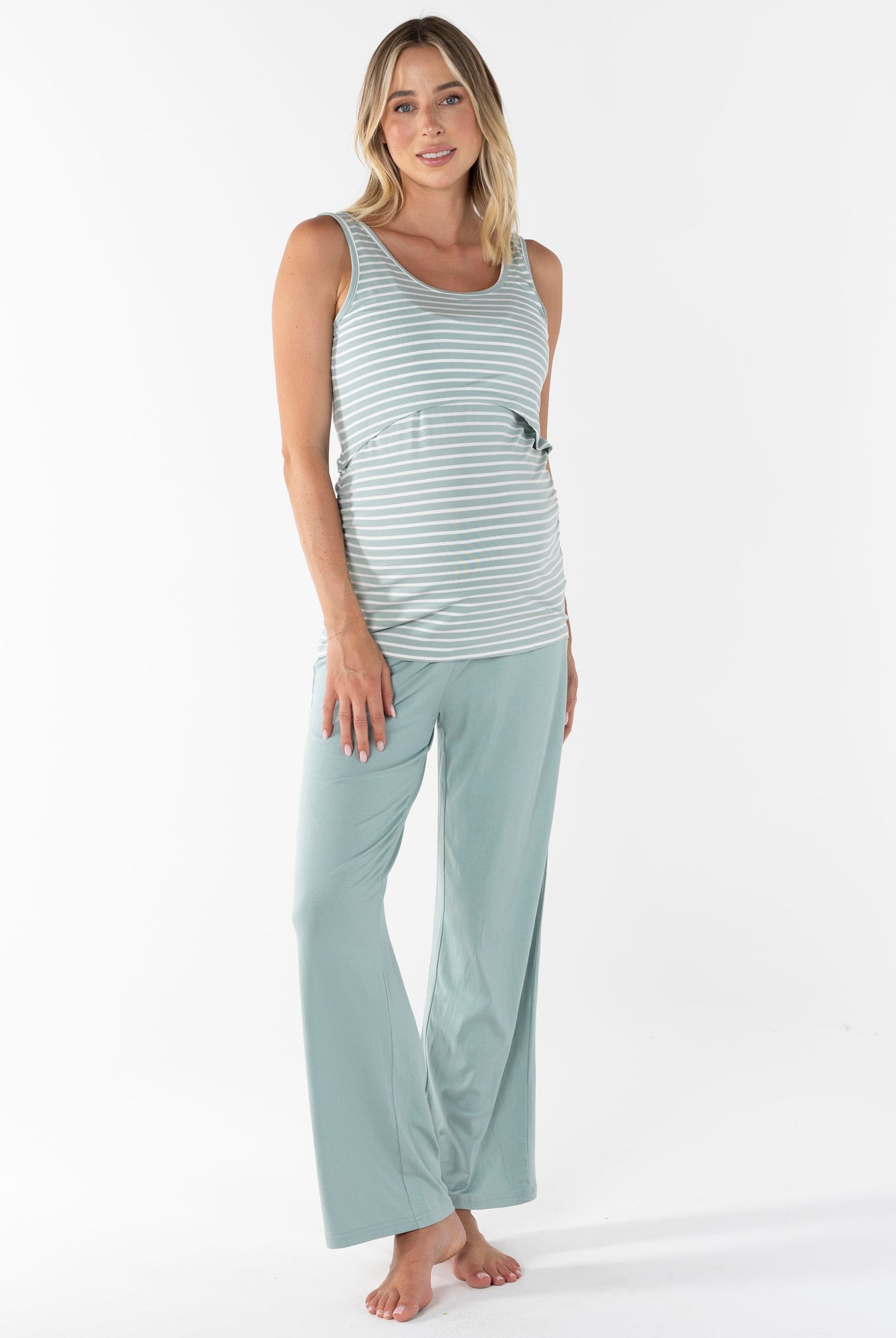
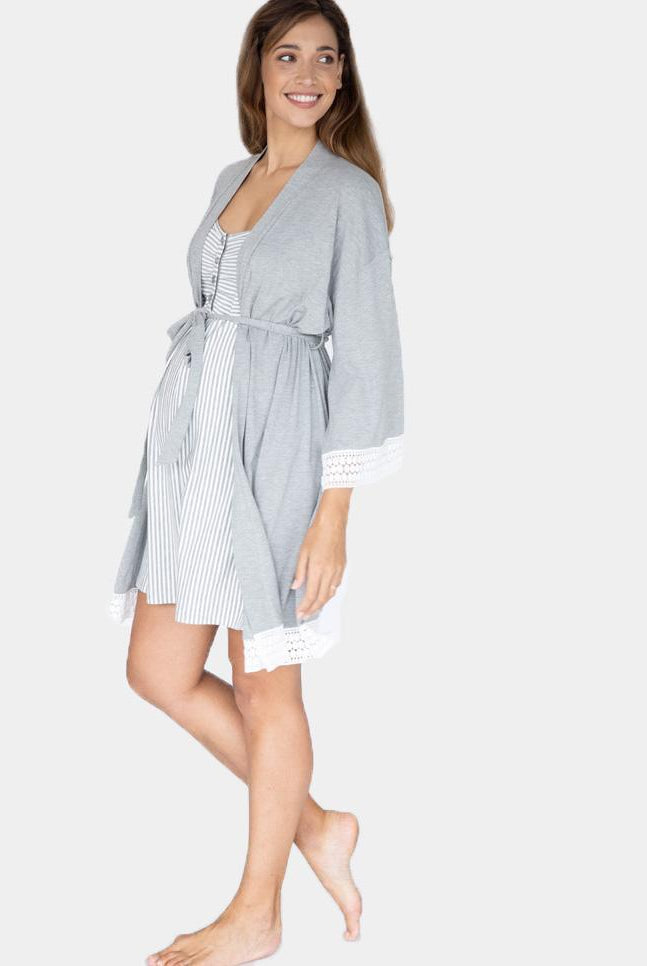
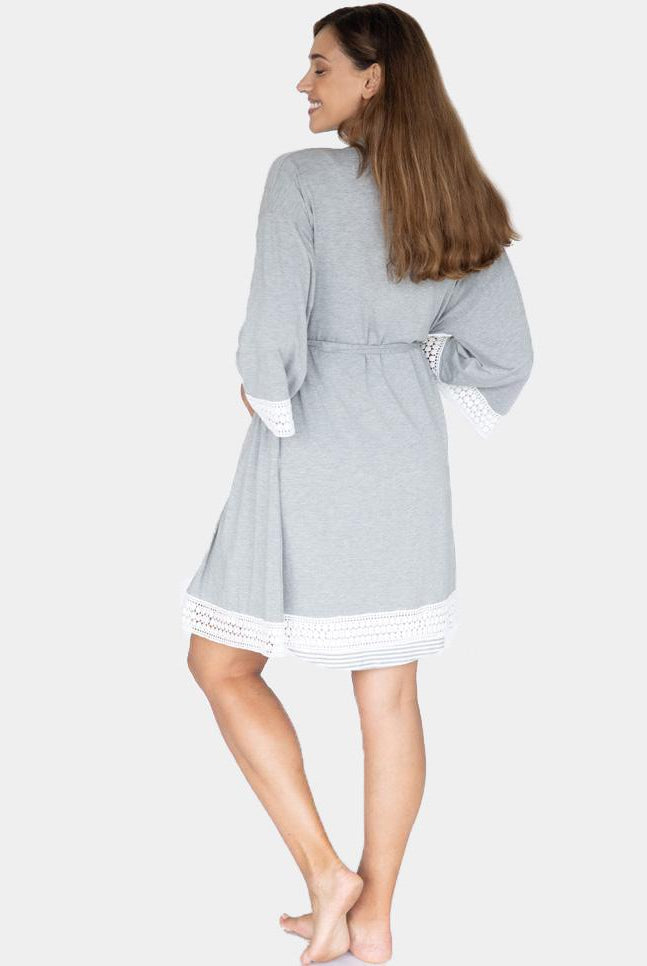
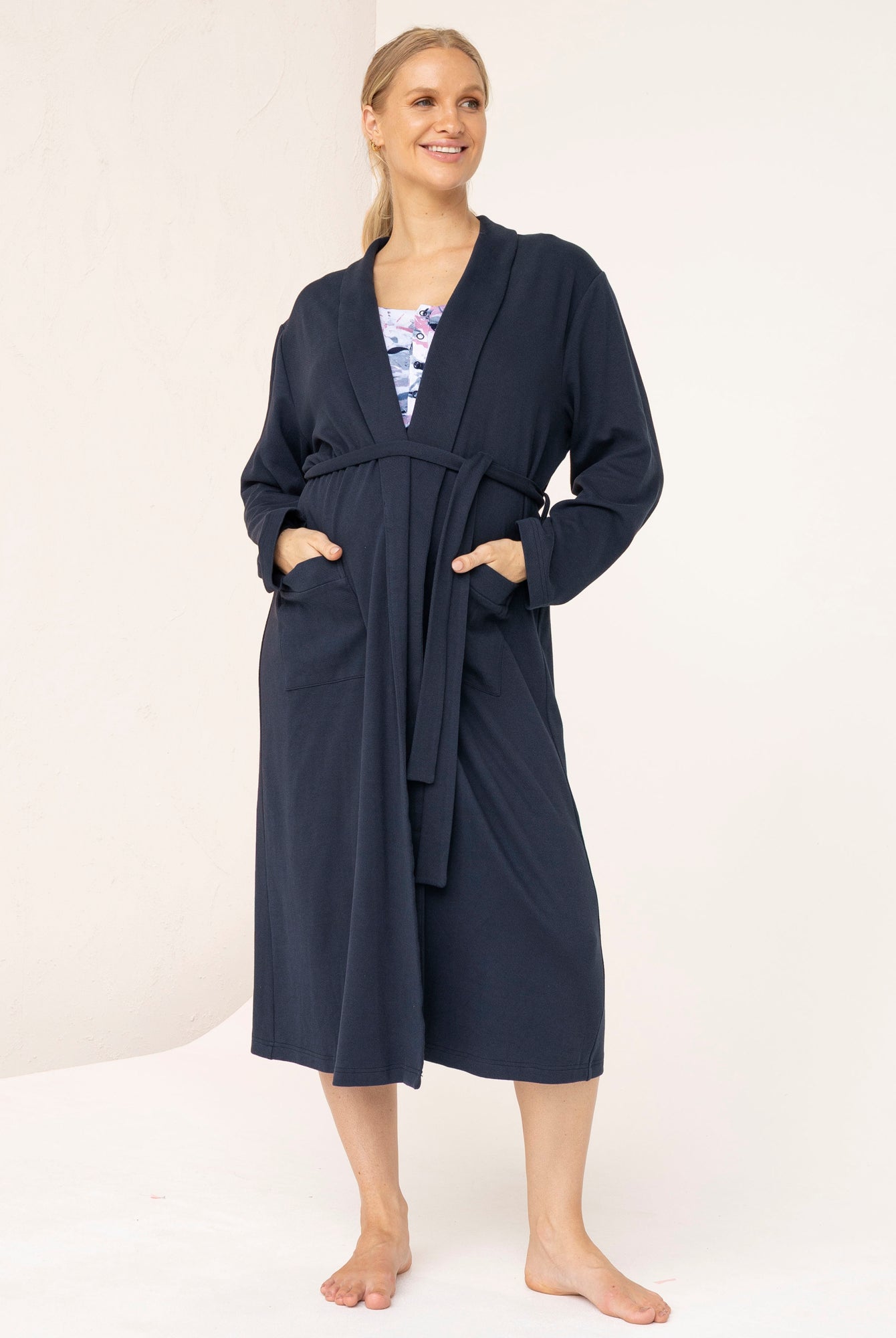
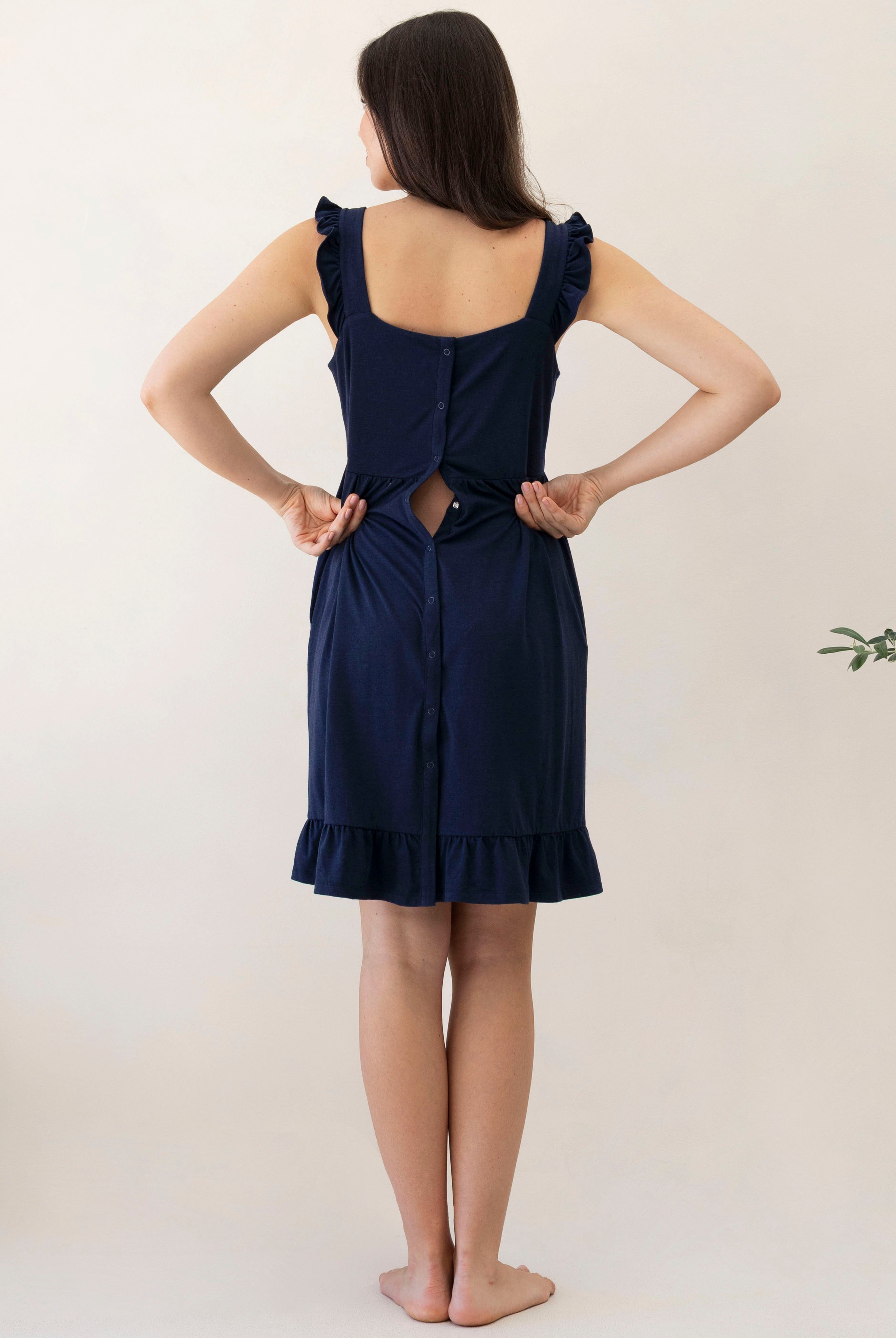
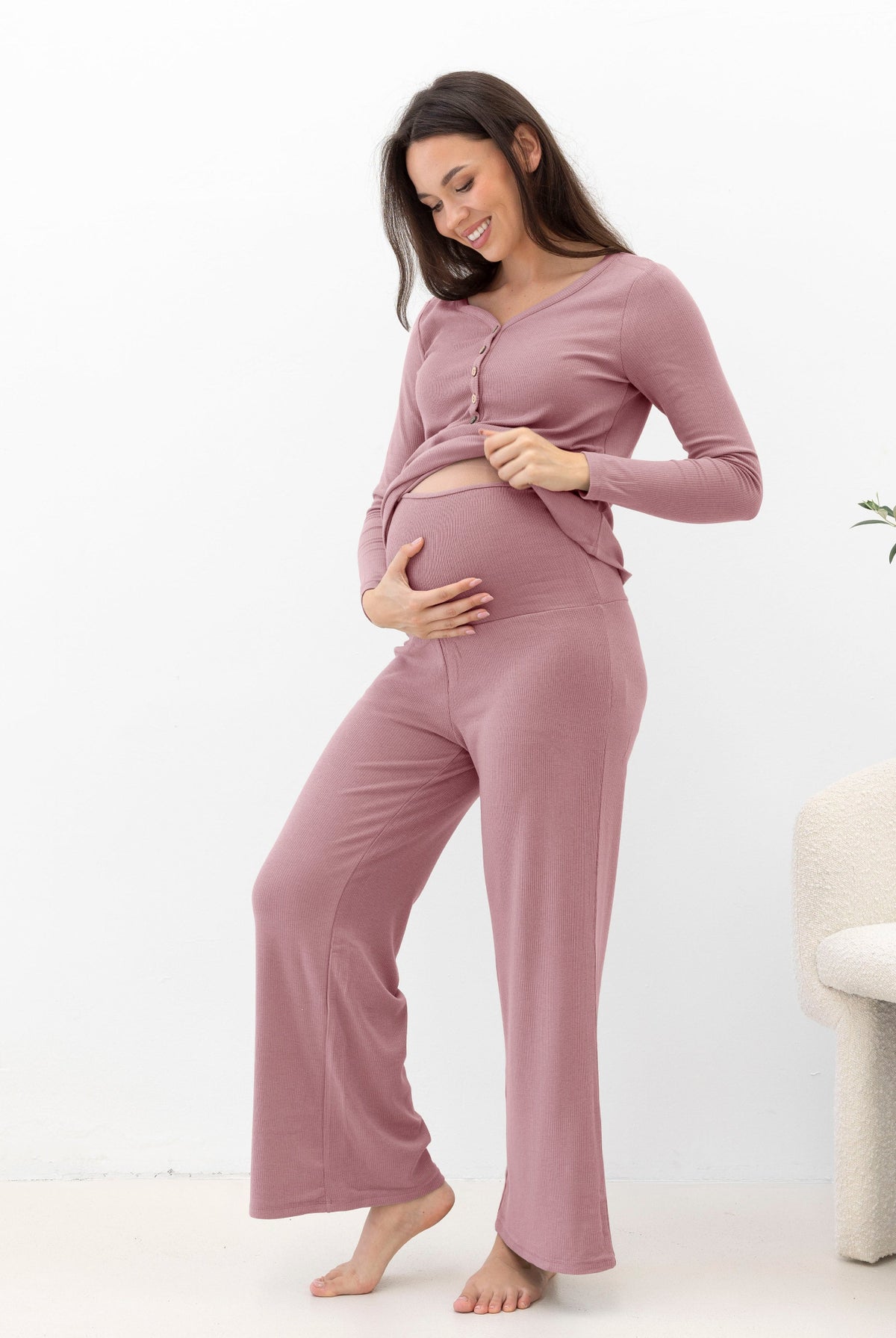
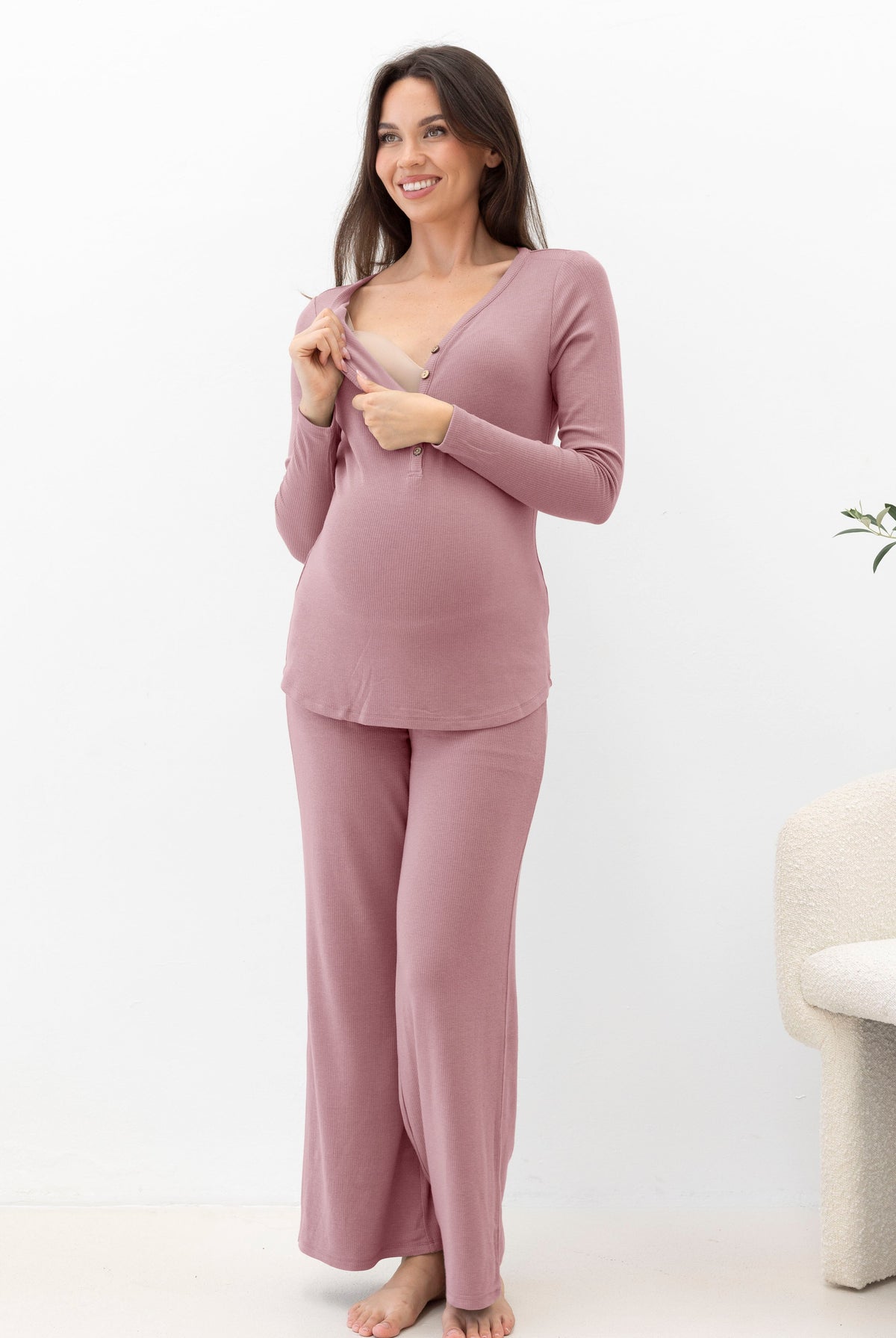
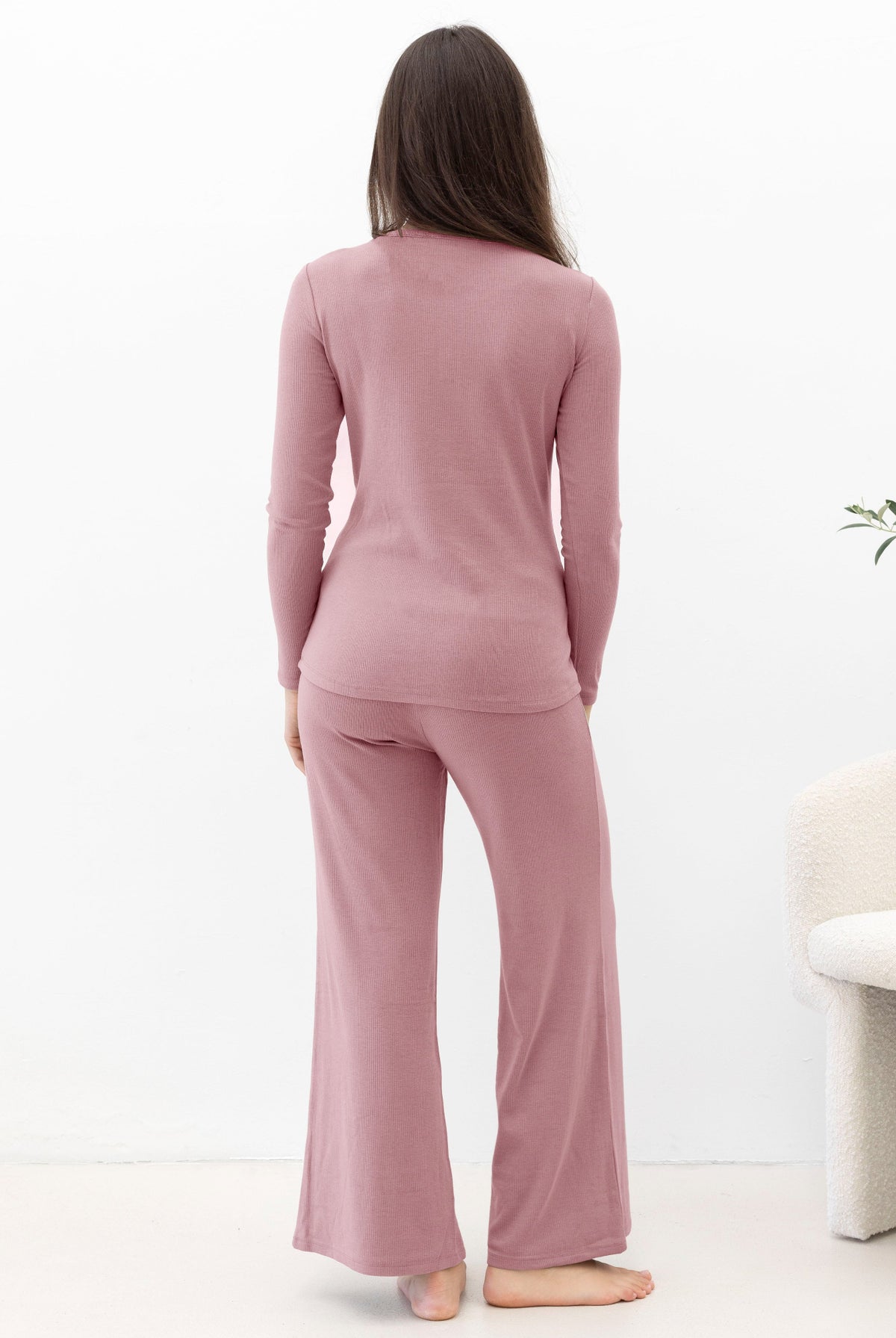
The range covers long sleeve and short sleeve pajama sets, shorts sets for summer, button front and crossover tops with feeding access, nighties, and hospital packs that pair a nursing nightie with a robe and a baby wrap. Colors stay soft and practical: navy, sage green, rose pink, white marl, pink stripe and grey.
What Should You Actually Sleep In?
- Third trimester: a shorts set or a lightweight nightie. Your core temperature runs higher than usual, and a full length pajama set that felt fine at 20 weeks often does not at 35.
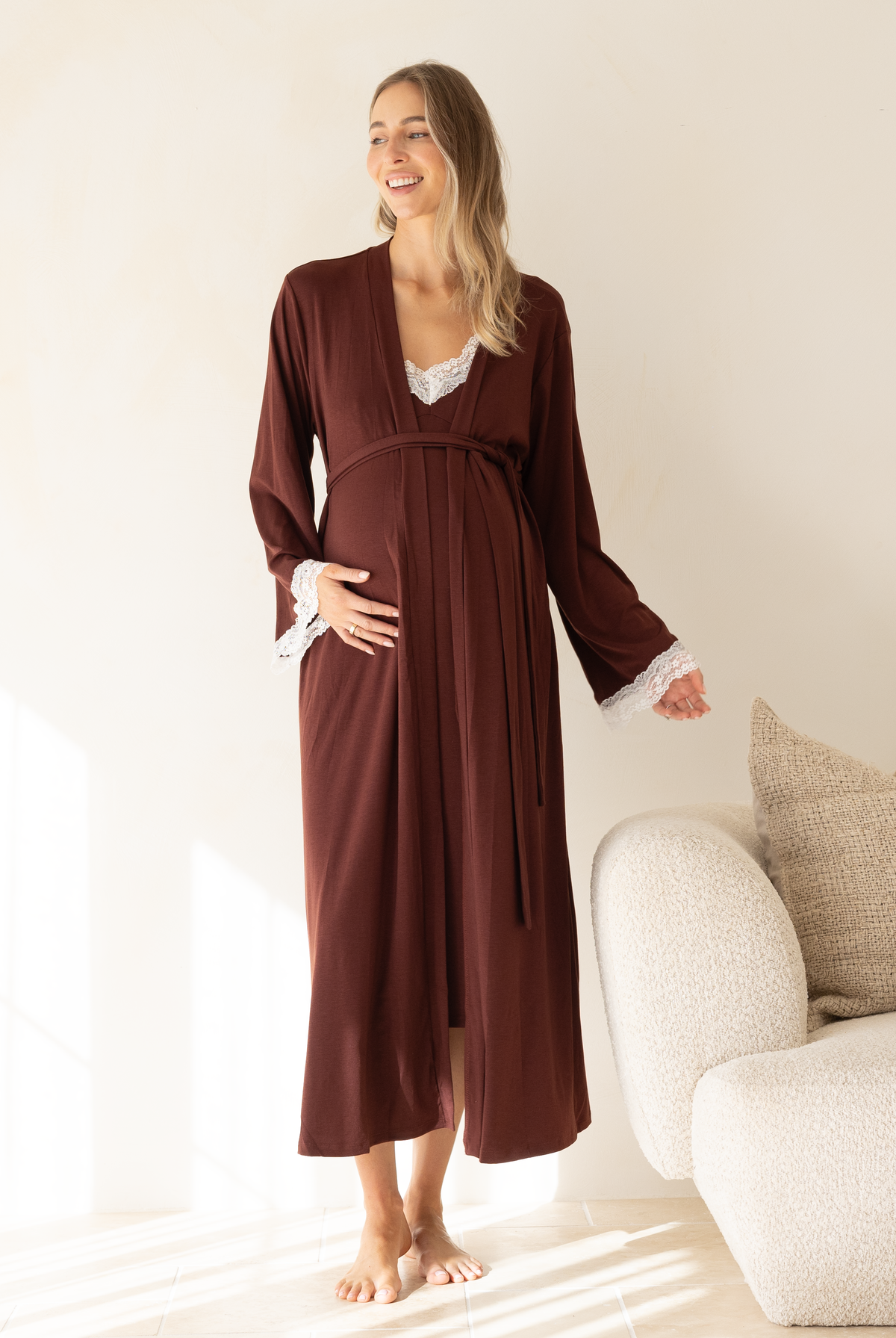
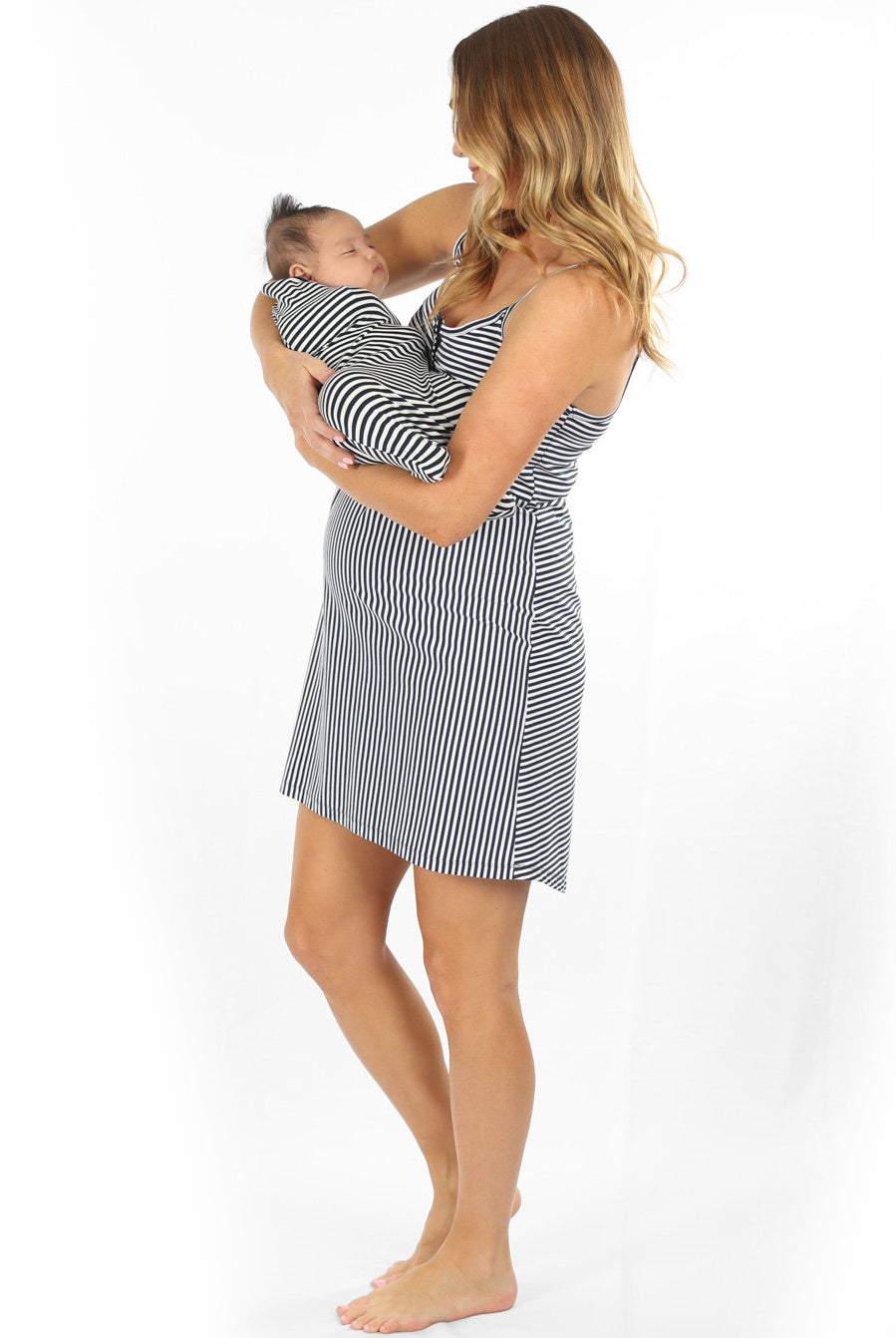
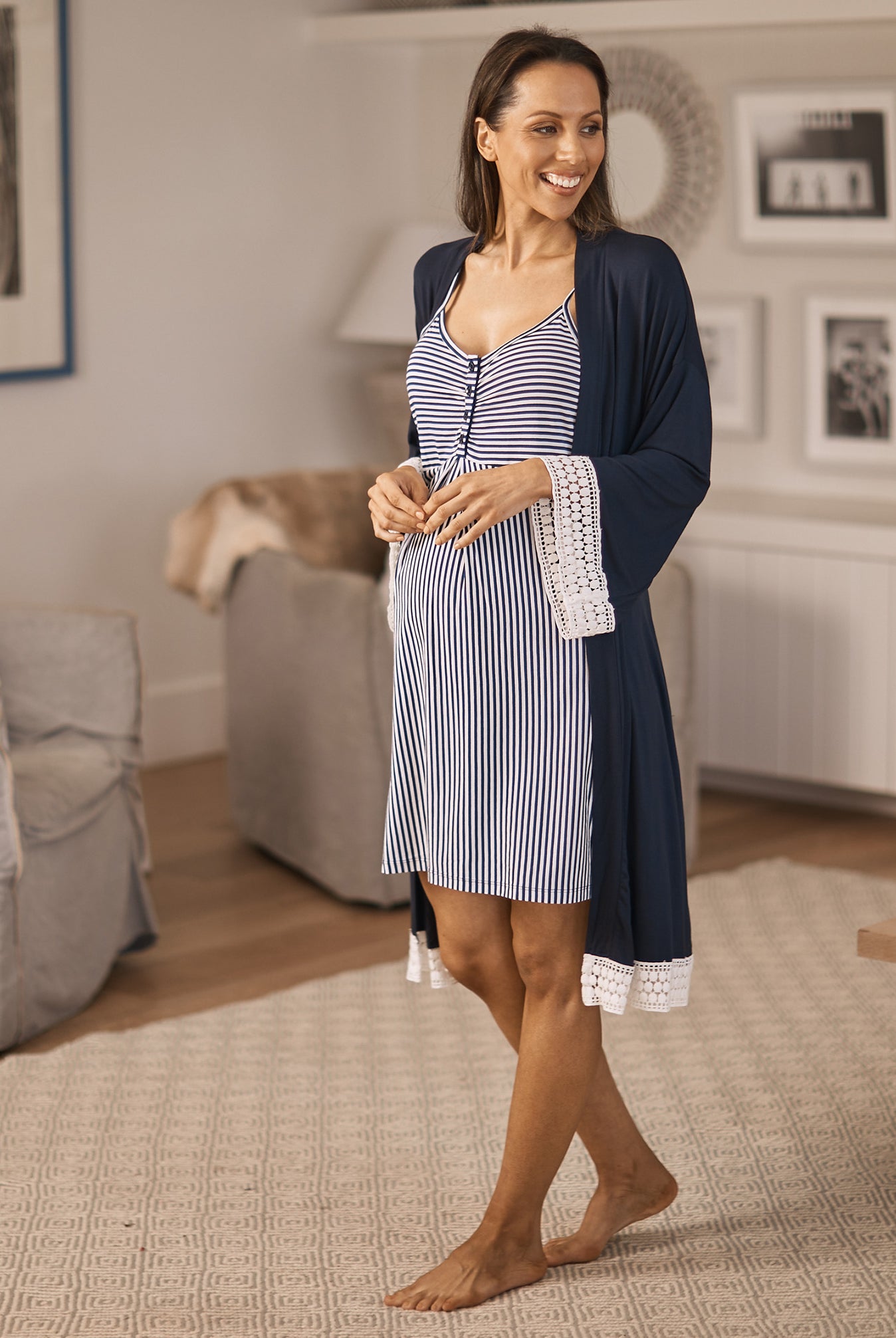
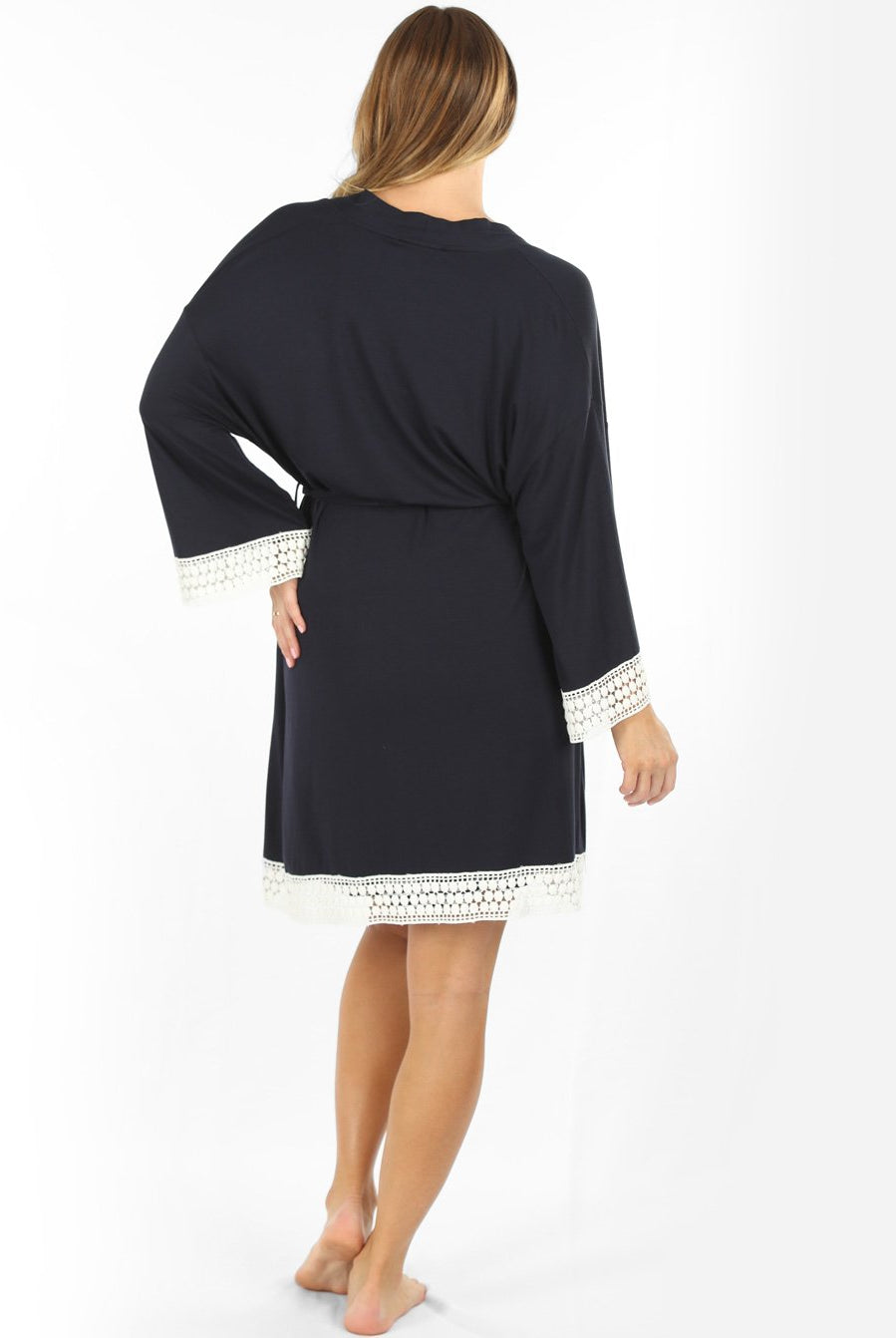
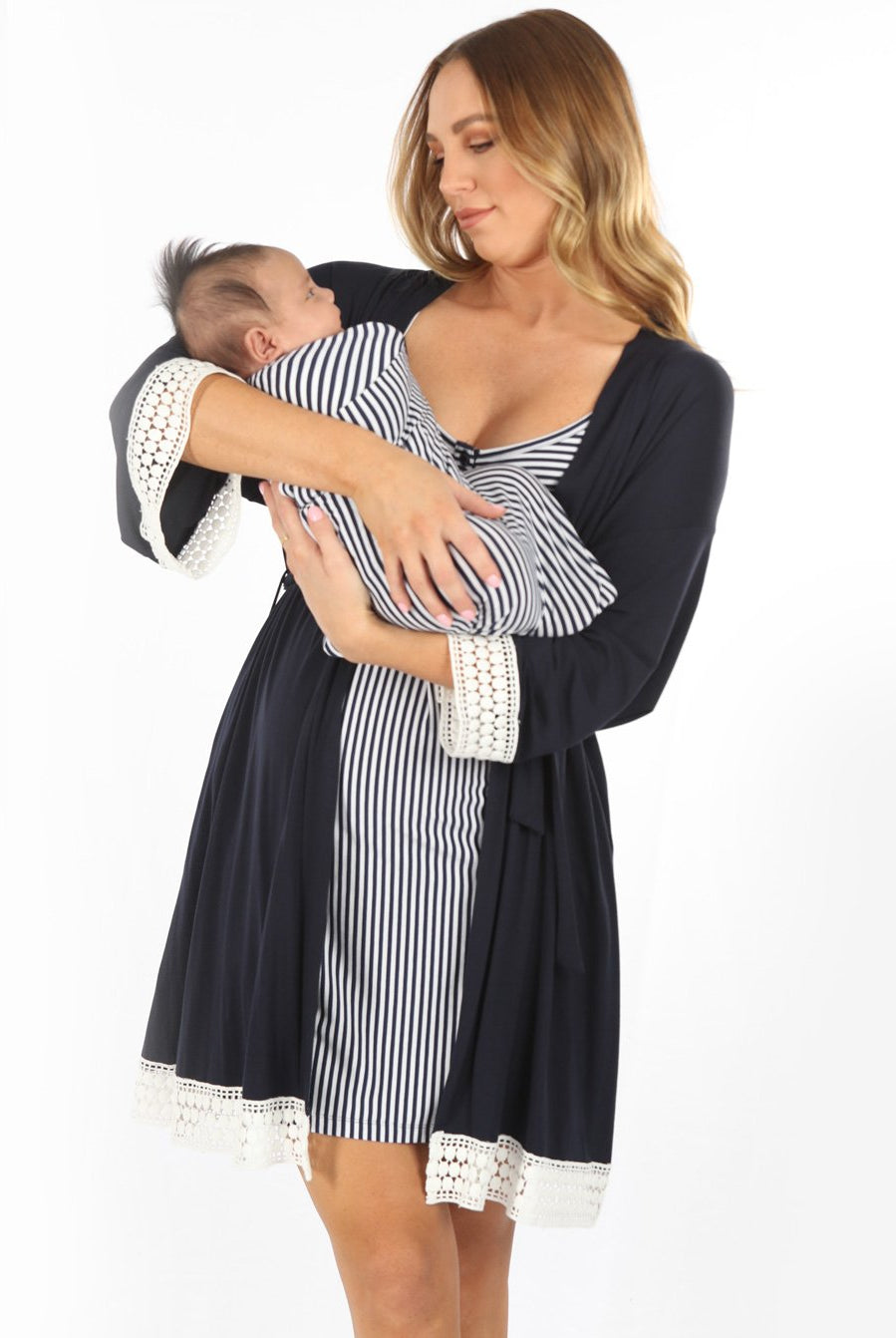
- Hospital: a nursing nightie rather than a set, because it is far easier to manage on a ward and after a caesarean. The three-piece hospital packs cover the nightie, the robe and the baby wrap in one purchase.
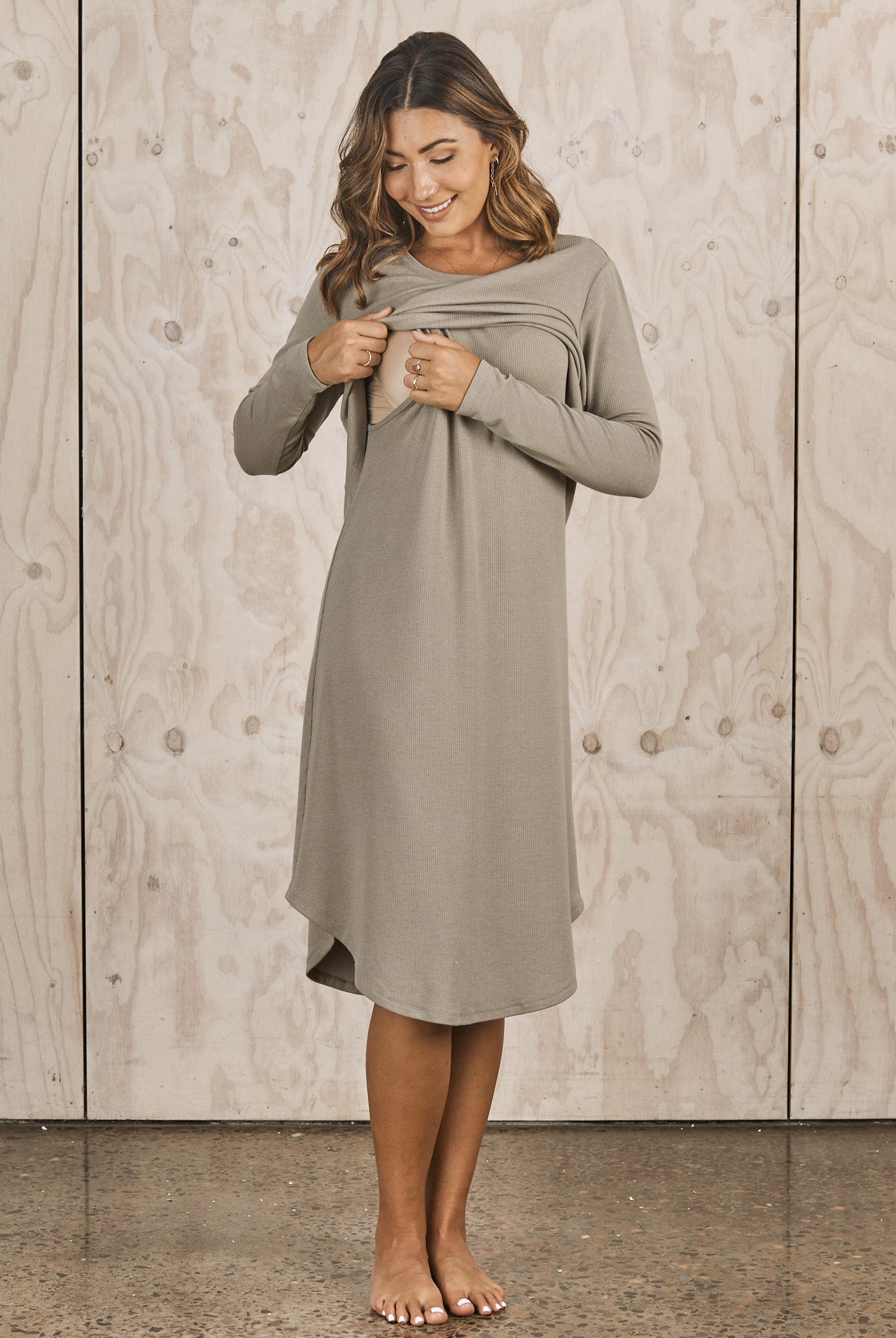
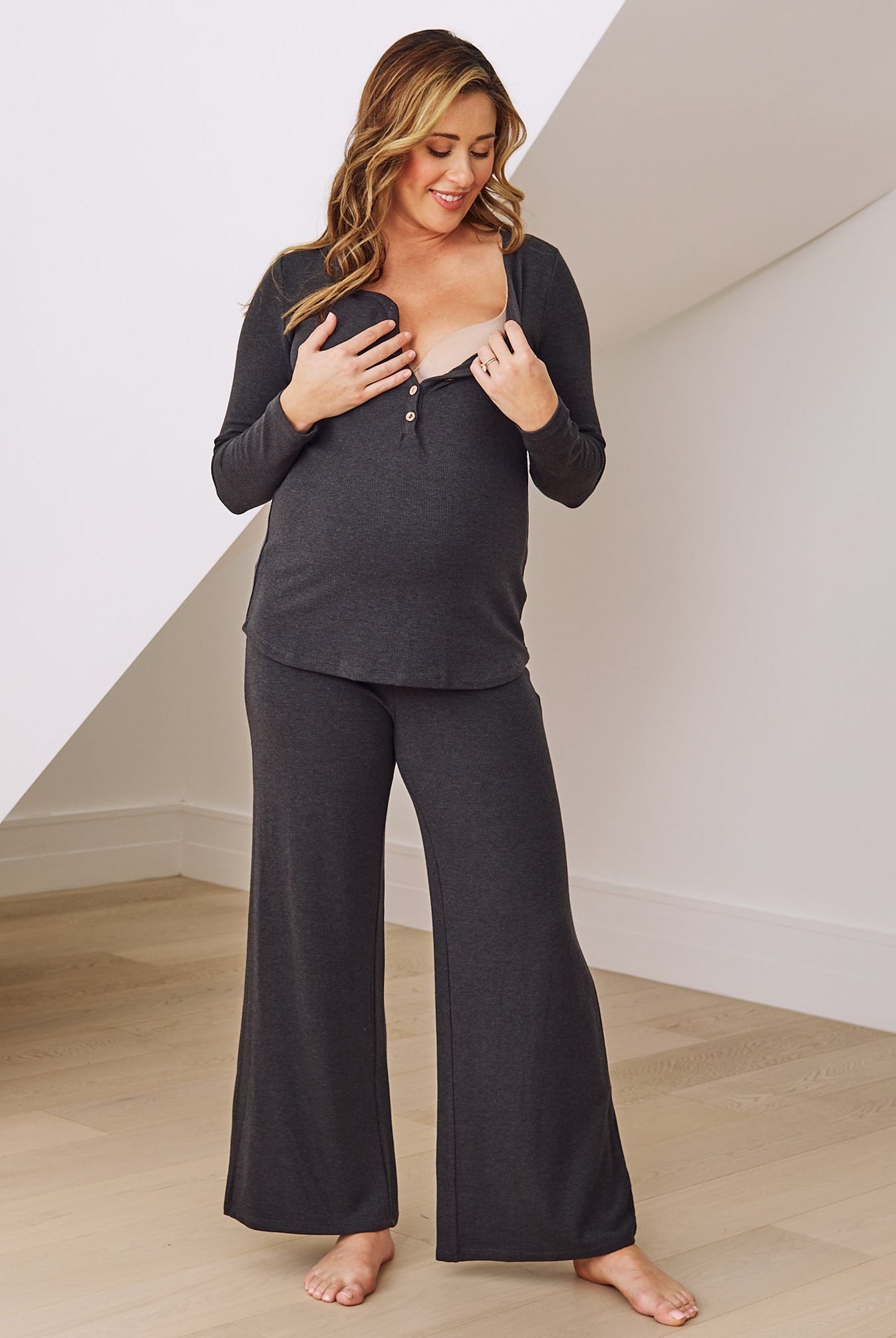
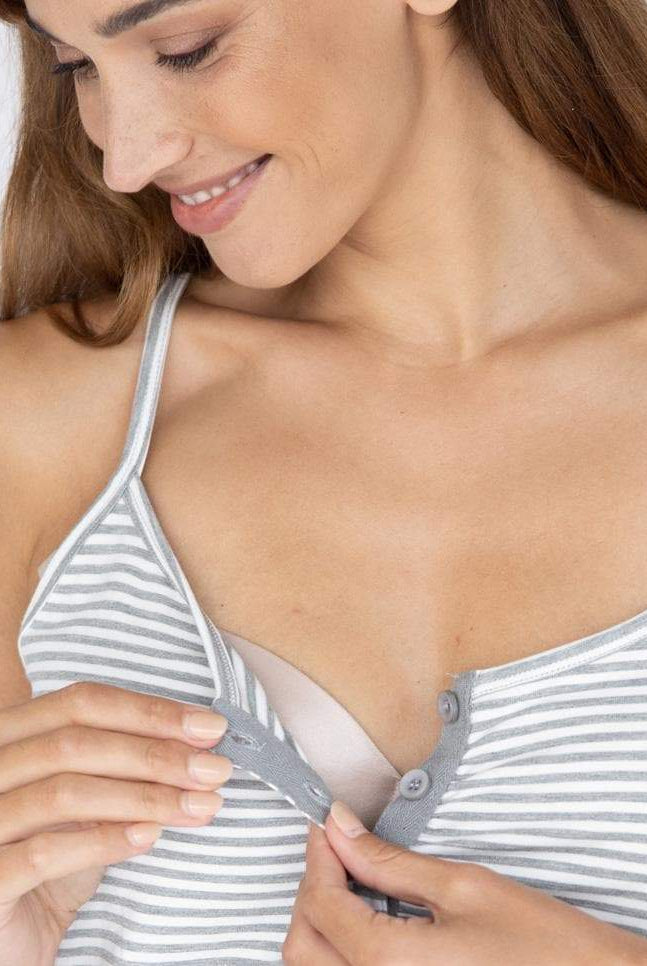
- First weeks home: button front or crossover pajama sets. You will be feeding in the dark, half asleep, and a front opening is the difference between a two minute feed and a five minute one.
- Ongoing nursing: a cotton or bamboo pajama set you can wear all day without it looking like sleepwear, since a lot of the fourth trimester happens at home.
- Winter: long sleeve sets in a heavier knit; summer, the shorts sets and nighties. Most moms end up owning one of each.
Why Nursing Access Matters More Than It Sounds
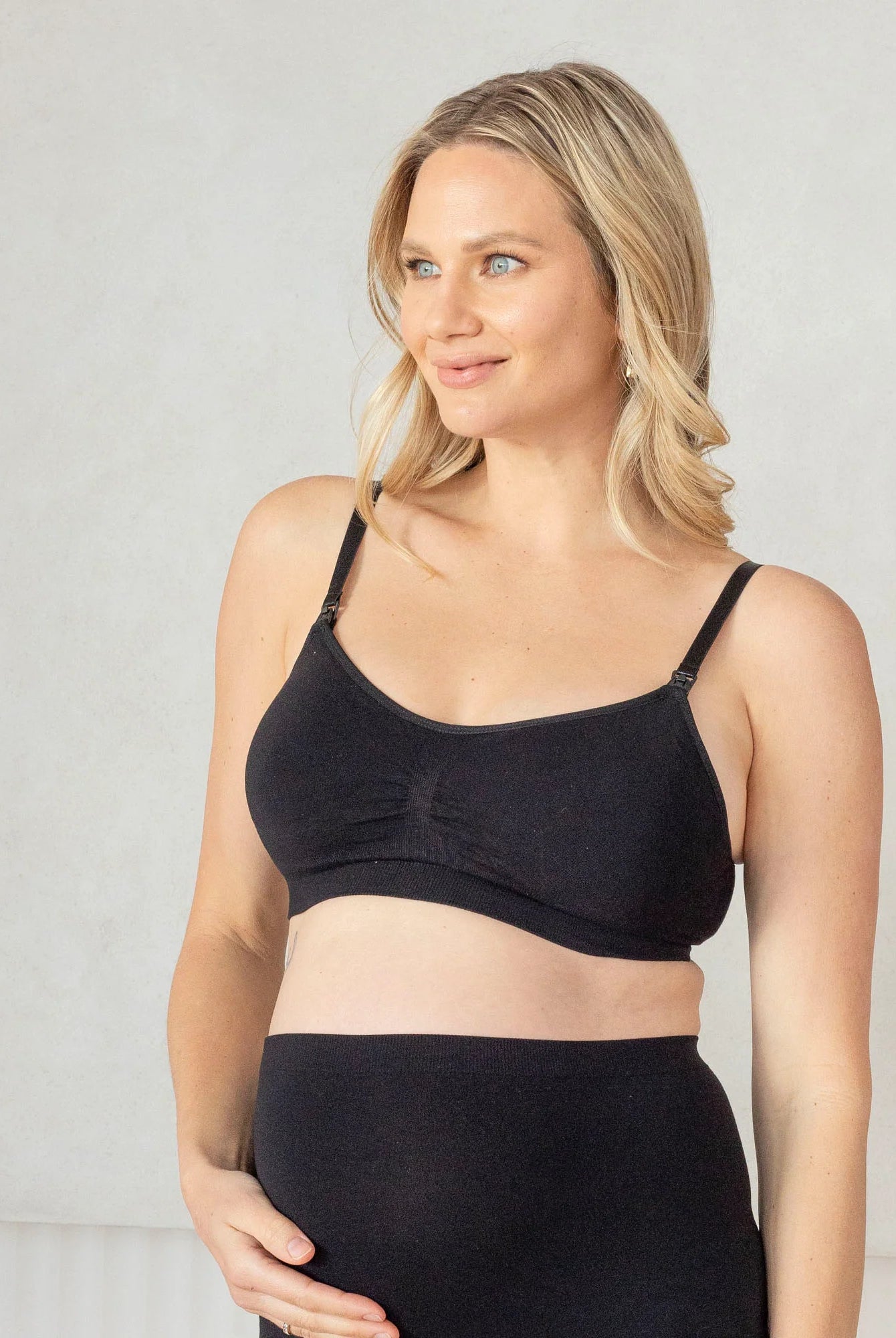
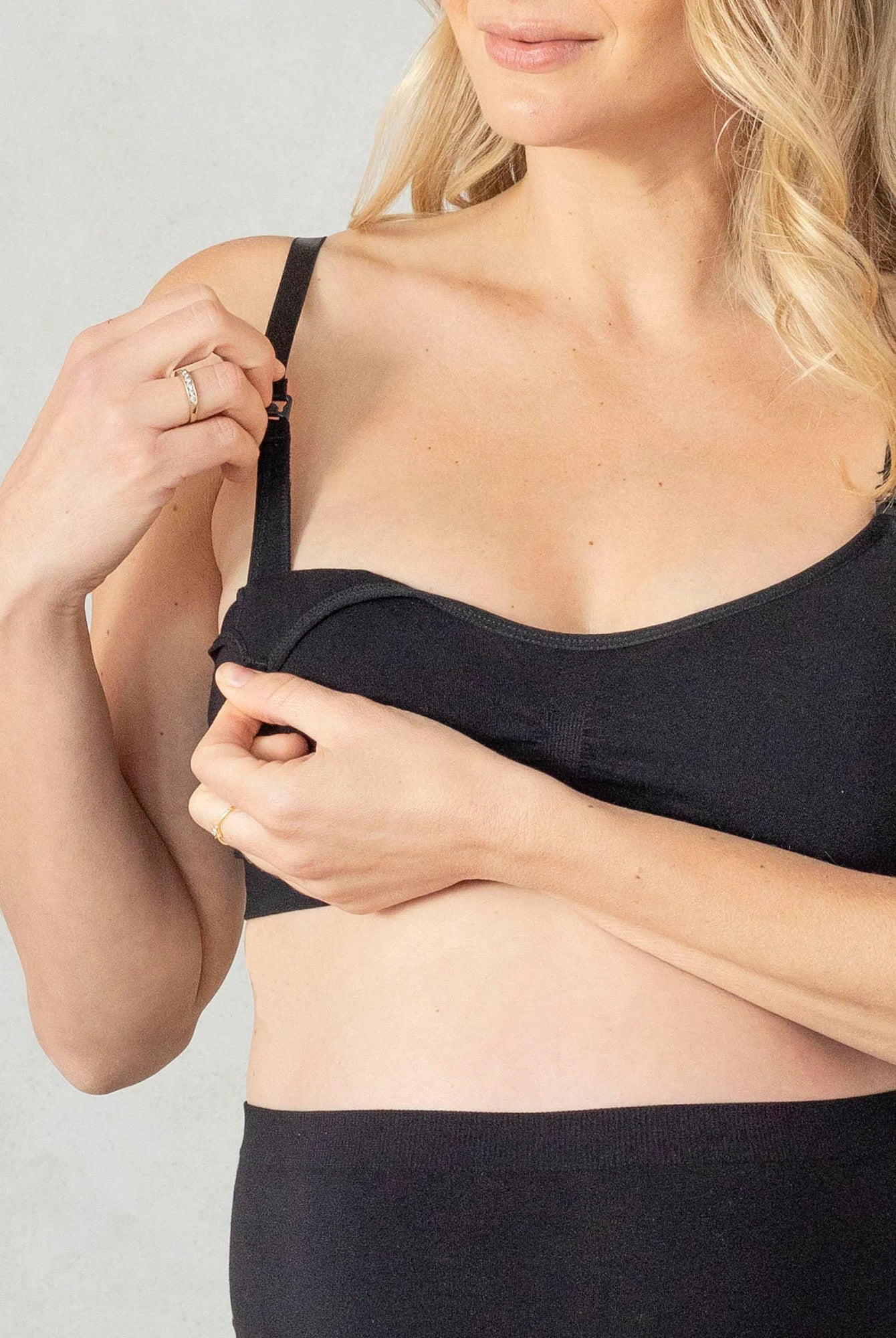
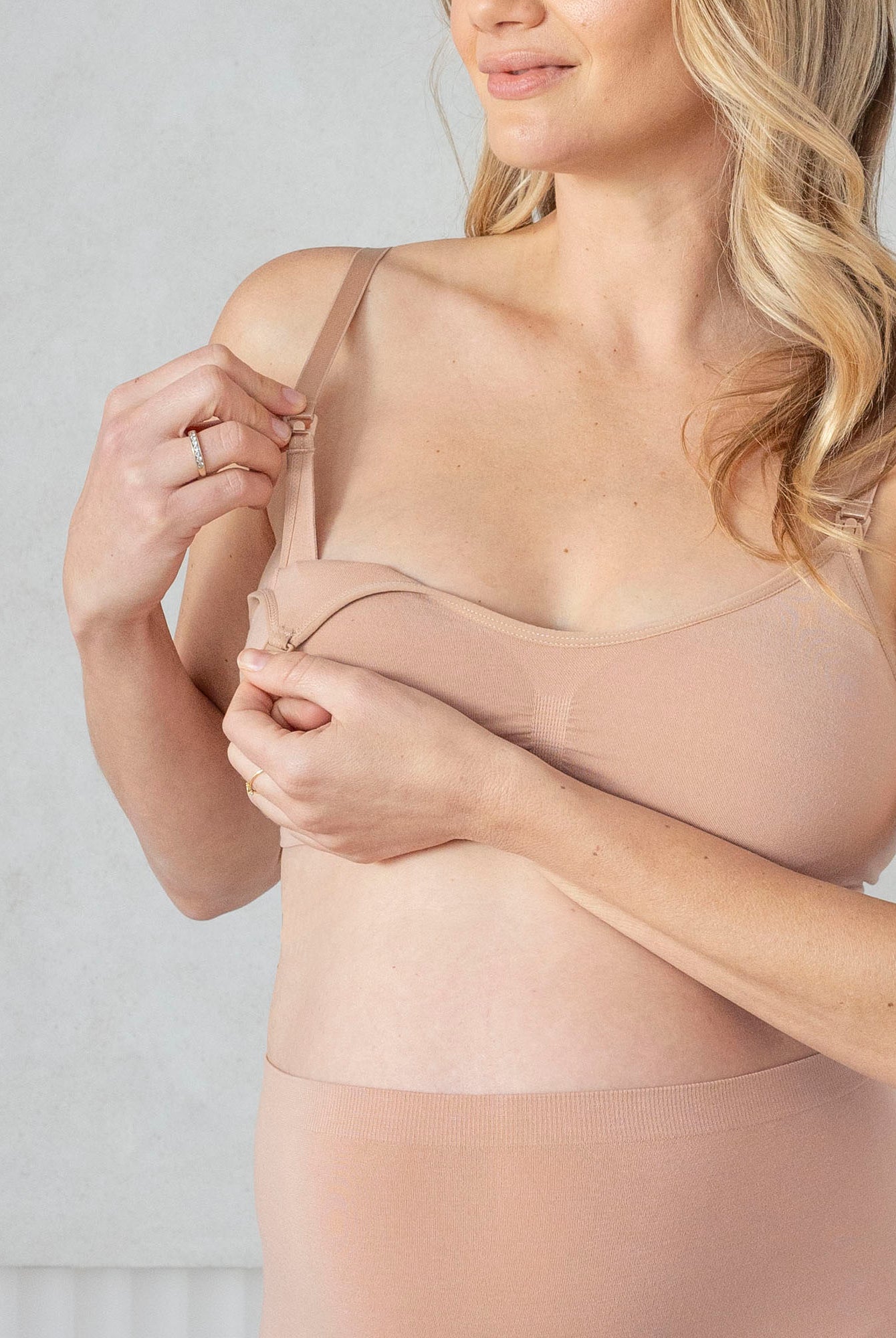
A regular pajama top has to come almost entirely off to feed, which means being cold, being awake longer, and waking further up than you needed to. Button front, crossover and lift panel tops open at the front and close again in one movement, in the dark, one-handed. Over eight to ten feeds a day in the newborn weeks, that adds up to real sleep.
The second thing is fabric. Cotton and bamboo blends breathe and move moisture, which matters through pregnancy night sweats and the hormonal ones that follow the birth. Synthetics trap heat and are the most common reason a set gets bought and never worn twice.
Sizing and When to Buy
Order your usual pre-pregnancy size. These are cut relaxed with the bump allowed for, so sizing up mostly makes the shoulders and rise too big. Sizes here run XS to 3XL, with a measurement chart on every product page.
Most people buy sleepwear twice: one set around 30 weeks when the third trimester heat starts, and the hospital nightie or pack at around 34 to 36 weeks when the bag gets packed. Ordering a couple of weeks before each leaves room to swap a size. Free shipping applies on orders over $100.
Shop Sleepwear and Related Collections
- Delivery gowns and robes for labor and the ward.
- Hospital bag essentials for the full packing list.
- Nursing tops for daytime feeding-friendly pieces.
- Maternity loungewear for the hours between sleep and getting dressed.
- Bamboo maternity essentials for the most breathable fabrics.
- Nursing bras including wire free styles you can sleep in.
- Maternity underwear for the first weeks.
- Postpartum recovery pieces for the fourth trimester.
Maternity Pajama FAQs
What size maternity pajamas should I order?
Your usual pre-pregnancy size. These are cut with the bump and post-birth swelling allowed for, so sizing up tends to leave the shoulders and rise too big rather than giving you more room where you need it. Sizes run XS to 3XL.
What are the best maternity pajamas for the hospital?
A nursing nightie beats a pajama set on a ward, and it is much easier after a caesarean since nothing sits across the incision. Dark colors are practical. The hospital packs that bundle a nightie, a robe and a baby wrap are the most common choice for exactly this reason.
Do nursing pajamas work during pregnancy too?
Yes, that is how most of this range is designed. The sets are cut for a bump and the tops have feeding access built in, so a set bought at 28 weeks carries through the birth and into the newborn months without needing replacing.
Which fabric is best?
Cotton for durability and bamboo for softness and moisture management. Both breathe far better than synthetics, which matters through night sweats in the third trimester and the hormonal sweats that follow the birth.
How many pairs do I need?
Two or three. One in the wash, one on, and one packed for the hospital. Buying two lightweight sets plus one nightie covers most people through the whole stretch.