Deciding what to wear in the hospital after birth is easier than most packing lists make it look: for many moms, a nursing gown and matching robe covers almost everything from recovery to visitors. This guide explains why the gown and robe combination works so well, what features to look for, how it compares with the standard hospital gown, and exactly what to pack for a typical stay.
Why a Gown and Robe Set Works So Well After Delivery
The first 24 to 72 hours after birth involve frequent feeds, skin-to-skin contact, bathroom trips and regular checks from nurses. Clothing that needs pulling over your head or tugging down past a sore belly makes all of that harder.
The nursing gown handles feeding and checks
A nursing nightgown has built-in access, usually a crossover front, snap buttons or a lift-up panel, so you can feed your baby without undressing. The loose, waist-free shape puts no pressure on your abdomen or a C-section incision, and it lets nurses check your recovery without you changing out of your clothes.
The robe adds instant coverage
Hospital rooms have a constant flow of staff, family and visitors. A robe gives you coverage the moment someone knocks, keeps you warm walking the hallway and makes you feel put together in photos with your newborn.
Can You Wear Your Own Clothes in the Hospital After Birth?
Yes, most hospitals in the US let you wear your own clothes once you have delivered and your care team is comfortable. Many moms change out of the hospital gown within a few hours. Bring clothing that is dark or patterned, easy to wash, open at the front and loose around the belly, so recovery checks and breastfeeding stay simple.
Nursing Gown vs Hospital Gown
The standard hospital gown is designed for medical access, not comfort. It ties at the back, gapes when you walk and is usually thin and scratchy. It is practical during labor, especially if you are having an epidural, but most moms are glad to swap it out once the baby arrives.
A nursing gown offers the same easy front access with soft fabric, full back coverage and a design that actually looks like sleepwear. Pair it with a robe and you have an outfit you can wear from your hospital bed to the drive home.
What to Look for in a Nursing Gown and Robe Set
Nursing access you can use one-handed
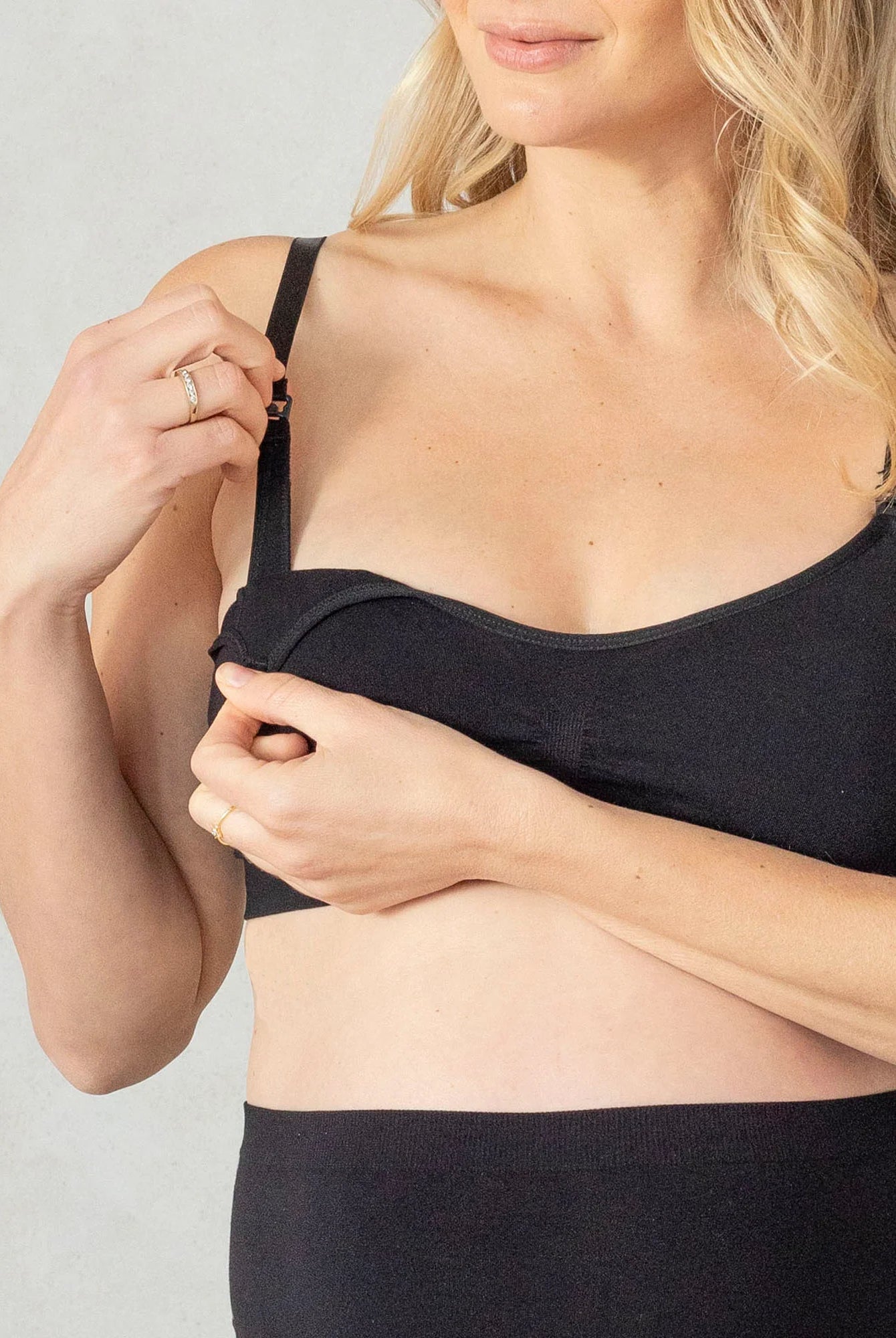
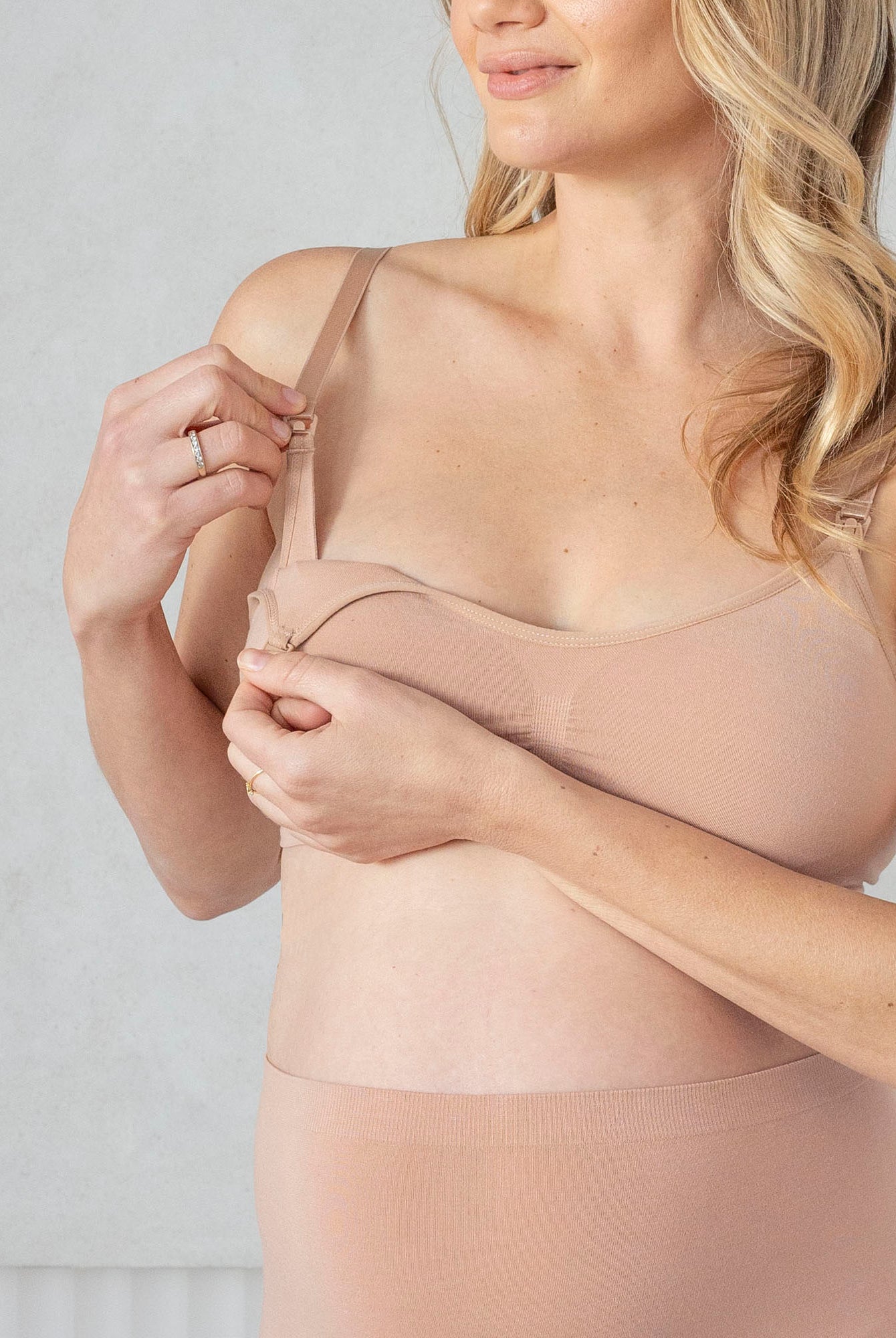
You will usually be holding your baby when you need to feed. Crossover necklines, pull-aside cups or snaps are faster to use than small buttons, especially in the middle of the night.
Soft, breathable fabric
Postpartum night sweats are very common as your hormones shift. Bamboo, modal and cotton jersey feel soft on sensitive skin and help regulate temperature far better than synthetic satin. Our bamboo essentials are a good example of fabric that stays cool and breathable.
Dark colors or prints
Leaks and stains happen after delivery. Navy, charcoal, black and busy florals hide marks and look fresh in photos. Save white and pale pink for later.
The right length
A knee to mid-calf gown gives coverage when you sit up or climb in and out of bed. Very long gowns can catch under your feet; very short ones leave you feeling exposed.
A robe with a tie waist and pockets
A tie waist lets you adjust the fit as your belly changes day by day, and pockets are surprisingly useful for your phone, lip balm and hair tie.
Your usual size
Maternity and nursing sleepwear is cut to allow for your postpartum body, so your pre-pregnancy size is usually the best fit. If you are unsure, our guide to how maternity sizing works explains the details.
Hospital Bag Clothing Checklist for Mom
A typical vaginal delivery stay is one to two days, and a C-section stay is often two to four days. For most moms, this is enough clothing:
- One or two nursing gowns, so you have a spare if one gets stained.
- One robe that coordinates with both gowns.
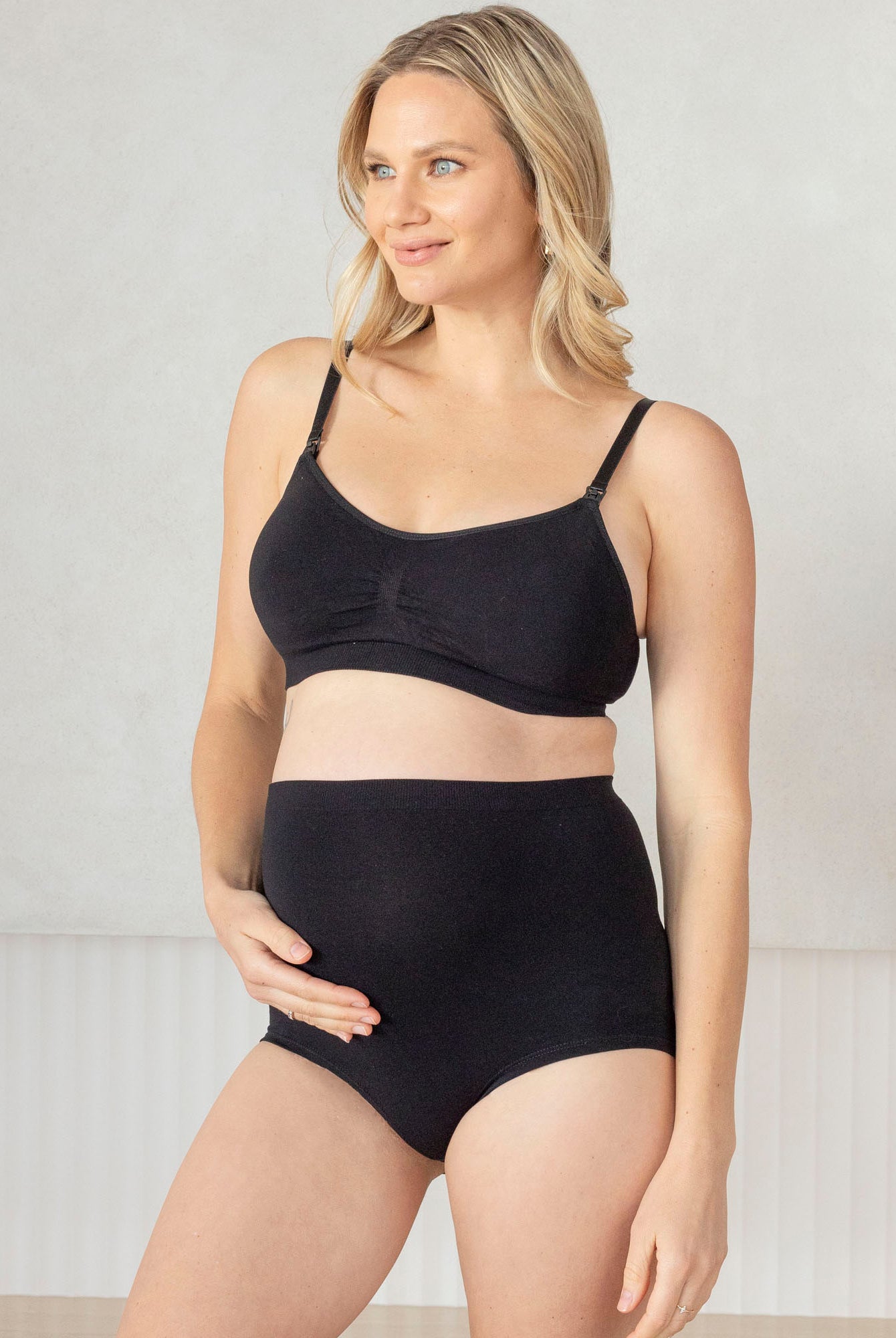
- Two nursing bras or soft nursing tanks for support without underwire.
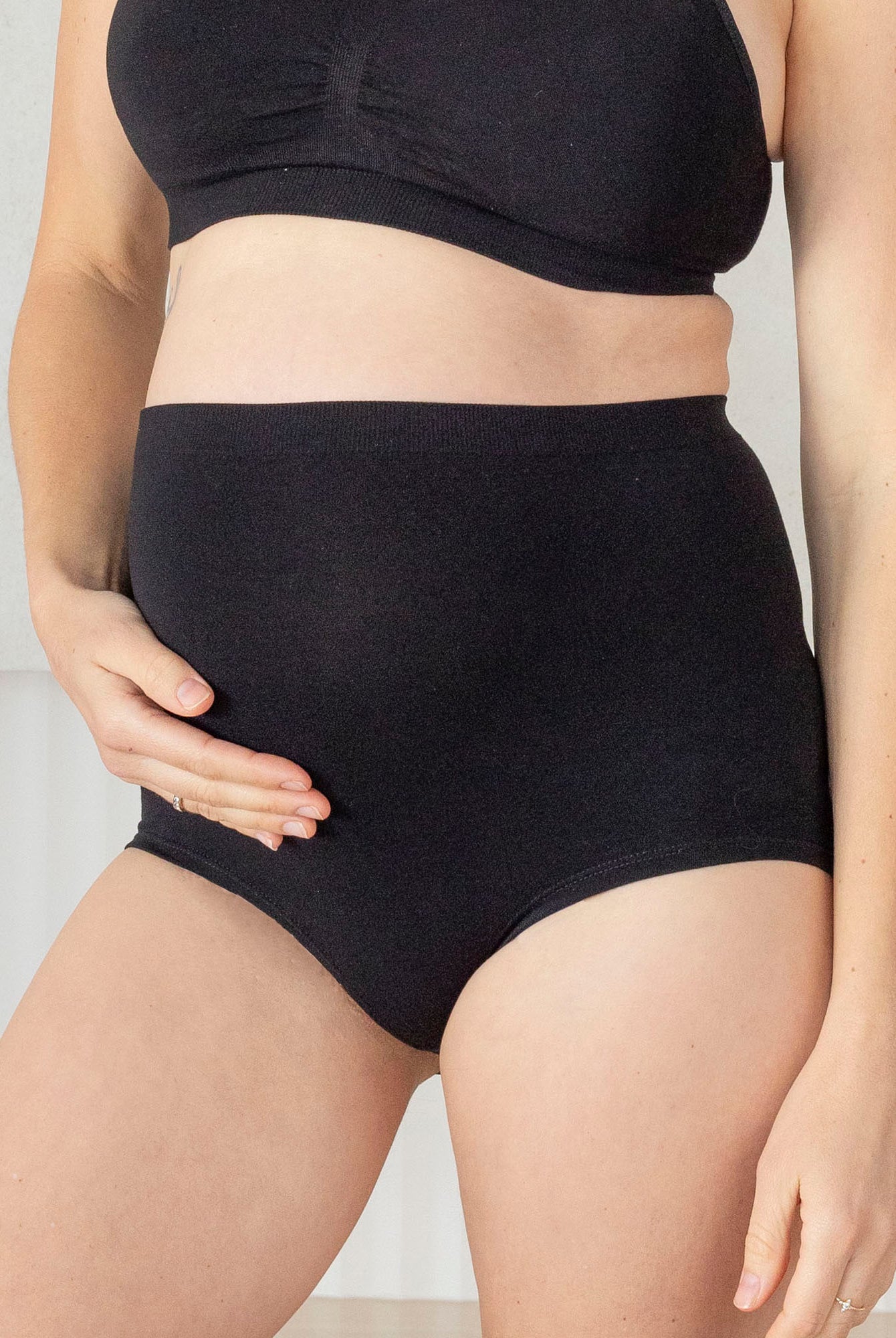
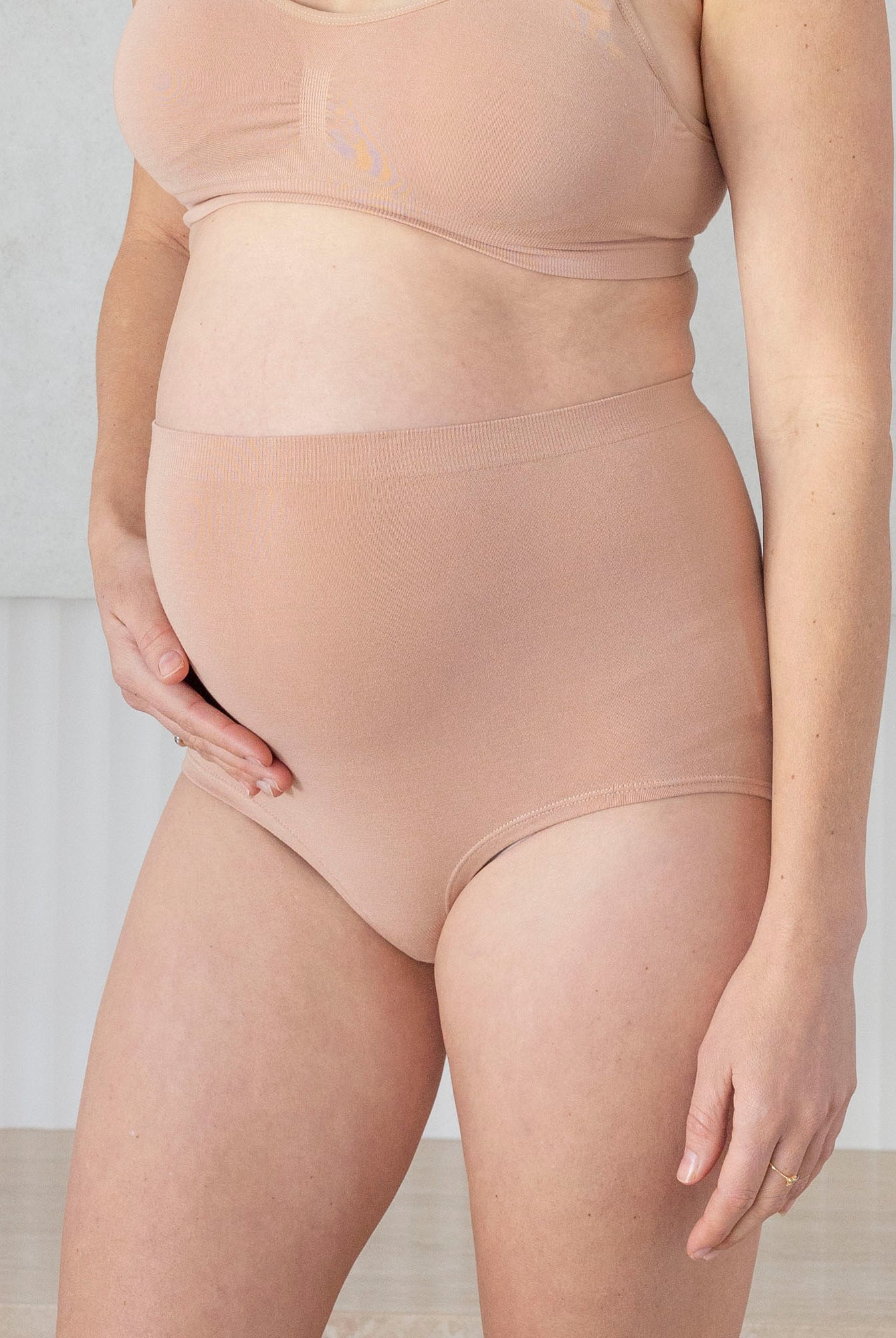
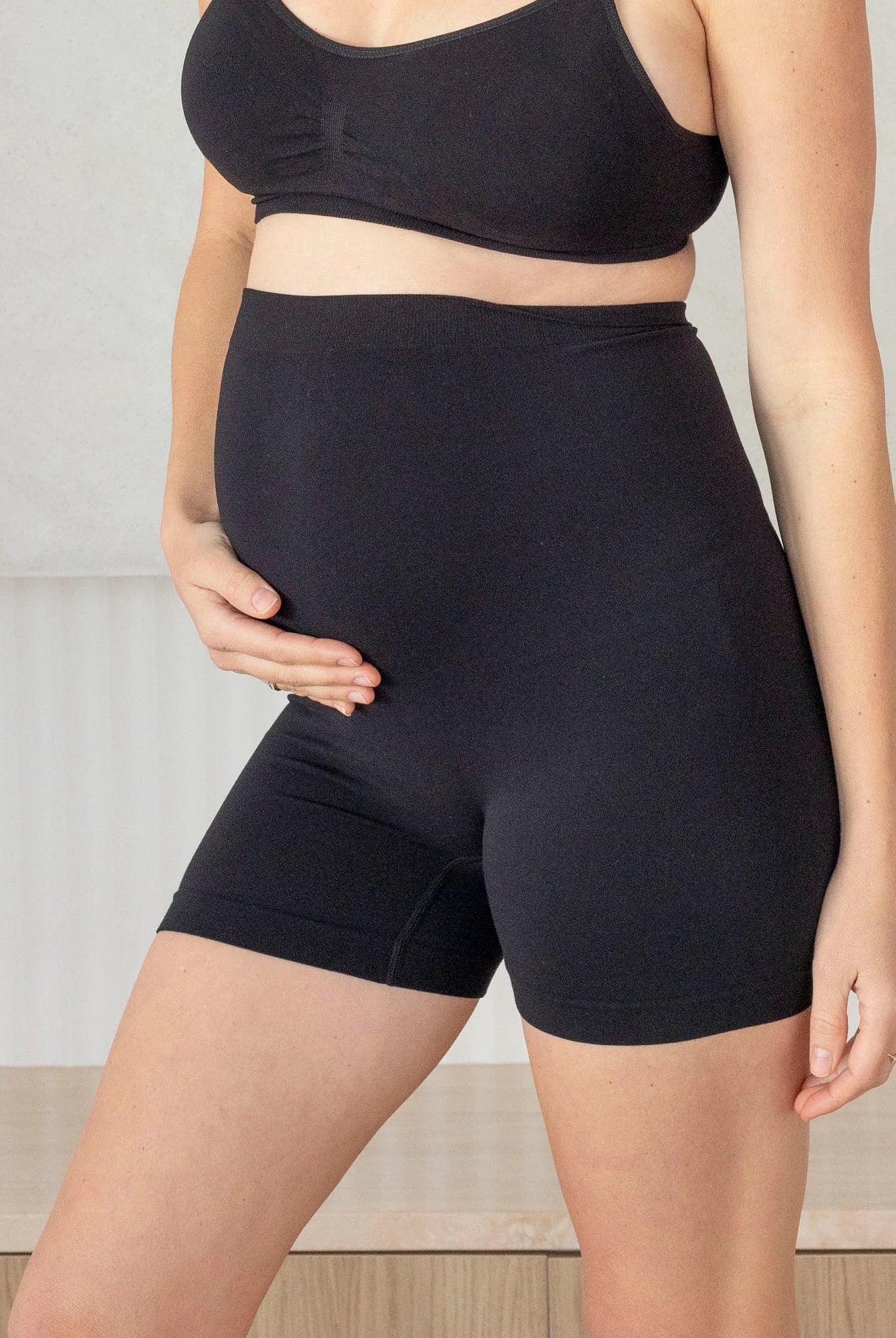
- Several pairs of high-waisted cotton underwear to wear once you stop using the hospital mesh pairs.
- Non-slip socks or slippers for cold hospital floors.
- A comfortable going-home outfit with a soft waistband.
Pack your bag between 34 and 36 weeks so you are ready if your baby arrives early. You can find everything in one place in our hospital stay collection.
Frequently Asked Questions
Can I wear a nursing gown during labor?
You can, but many moms stay in the hospital gown during active labor and change afterward, since it is easier to replace if it gets soiled. If you want to wear your own clothes during labor, choose a gown with snap access at the back for an epidural.
How many nursing gowns do I need for the hospital?
Two is enough for most stays. It gives you a clean change without overpacking your bag.
Is a nursing gown good for a C-section recovery?
Yes. A gown has no waistband, so nothing presses against your incision, and front access makes feeding easier while you are less mobile.
Will I wear my nursing gown after I leave the hospital?
Most moms keep wearing their gown and robe at home for night feeds throughout the fourth trimester, so it is worth choosing a set you genuinely like.
Shop Nursing Gown and Robe Sets
Browse our nursing gown and robe sets for soft, breastfeeding-friendly styles designed for the hospital and the weeks at home that follow.